
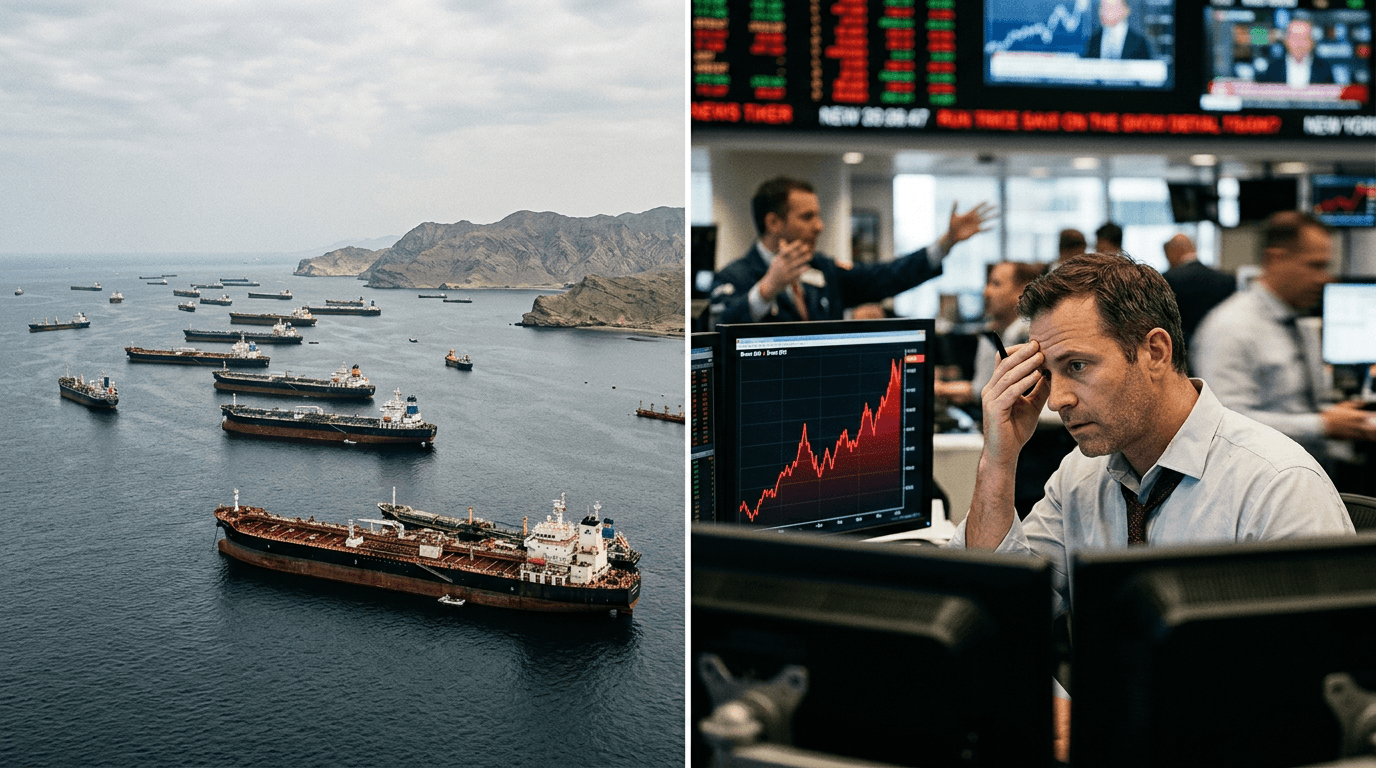
The global energy markets are experiencing unprecedented volatility as geopolitical tensions in the Middle East have effectively paralyzed one of the world's most critical shipping chokepoints. The Strait of Hormuz, which channels roughly 20 million barrels of oil per day through to global markets, has seen traffic plummet by approximately 70% as escalating Iran-US-Israeli conflict transforms this vital waterway into a war zone. This dramatic disruption has sent Brent crude soaring past $93 per barrel, up from $72.50 just weeks prior, fundamentally reshaping market conditions for traders, investors, and commodity speculators worldwide.
The Strait Of Hormuz Becomes A Battleground
The current crisis stems from intensifying military confrontations between Iran and the US-Israeli coalition. Iranian leadership has vowed to continue blocking the Strait of Hormuz as leverage, while simultaneously targeting Gulf Arab states and US military infrastructure. According to the latest reports, dozens of oil tankers remain stranded and unable to pass through the strait safely, with insurance costs skyrocketing as the maritime sector deems the passage too risky for commercial operations.[1] The situation has deteriorated to the point where even US Navy assessments conclude that escorting oil tankers through the strait would be too dangerous at present, despite statements from President Donald Trump about potential military escort operations.[2]
The violence has proven deadly and destructive. On March 11, 2026, three separate attacks occurred on merchant vessels, including an incident in the Strait of Hormuz itself where three mariners went missing and crews were forced to abandon burning ships.[2] Port facilities have not been spared either, with the port of Salalah attacked and operations suspended, while Iraq's Basra port saw operations halted entirely following direct strikes.[1][2] These coordinated attacks suggest a deliberate campaign to create maximum disruption to maritime traffic and energy infrastructure.
Oil Prices Spike On Supply Shock
The immediate market reaction has been dramatic and swift. Brent crude has surged roughly 28% in recent weeks, breaking through the $93 barrier as traders reassess global supply dynamics. This represents a classic supply shock scenario that energizes commodity markets and creates significant ripple effects across broader financial markets. The price spike reflects genuine supply concerns rather than speculative excess, as a massive portion of the world's seaborne oil traffic has been effectively halted by the geopolitical crisis.[1]
Saudi Aramco, the world's top oil exporter, has warned of "catastrophic consequences for the world's oil market if the war in Iran continues to disrupt shipping in the Strait of Hormuz," signaling that major energy producers themselves view this crisis as genuinely threatening to global energy supplies.[2] This statement from one of the world's largest oil producers carries significant weight for market participants and suggests that current price levels may not fully capture the risk premium embedded in crude markets.
Broader Financial Market Implications
The energy surge is not confined to crude oil markets. The spike in energy costs is fueling USD strength, as the dollar typically benefits from commodity price inflation and risk-off sentiment. Simultaneously, this dynamic is pressuring equities lower and pushing EUR/USD exchange rates down as investors rotate away from risk assets and toward safe-haven currencies.[1] For traders managing multi-asset portfolios, this interconnectedness demonstrates how regional geopolitical shocks can create cascading effects across currencies, stocks, and commodities.
The insurance industry is feeling particular pressure, with underwriters significantly raising premiums for vessels transiting the region. This effectively adds another layer of cost to oil shipments, further supporting elevated crude prices even if some tankers do manage to transit. The joint maritime information center has assessed the threat environment as "critical," with credible risks including UAV and missile activity, standoff attacks, sabotage, and navigation system interference.[2]
Alternative Routes And Market Adjustments
Major oil producers are beginning to pivot toward alternative shipping routes to bypass the blockade. Tankers are shifting operations to the port of Yanbu in the Red Sea, where Saudi Aramco is ramping up pipeline contingency plans to reroute supplies.[2] However, these alternatives come with significant limitations. While Red Sea ports can handle approximately 8 million barrels per day, this falls substantially short of the Persian Gulf's normal 20 million barrel daily capacity.[2] The shortfall means that alternative routes cannot fully replace Hormuz traffic, keeping crude prices structurally elevated until the geopolitical situation stabilizes.
Trading And Investment Takeaways
For traders and investors, this situation presents both immediate risks and emerging opportunities. Energy sector equities are likely to remain volatile as crude prices fluctuate with each new military incident or diplomatic development. Currency traders should monitor USD strength as safe-haven demand likely persists. Commodity speculators face a fundamental shift in price discovery, with the 70% traffic reduction representing a genuine supply shock rather than transitory disruption.
The path to resolution appears to hinge on diplomatic breakthroughs rather than military solutions, according to maritime analysts.[1] Until tensions de-escalate or concrete security corridors are established, expect continued volatility, elevated crude prices, and significant impacts on global economic conditions dependent on stable energy supplies.