
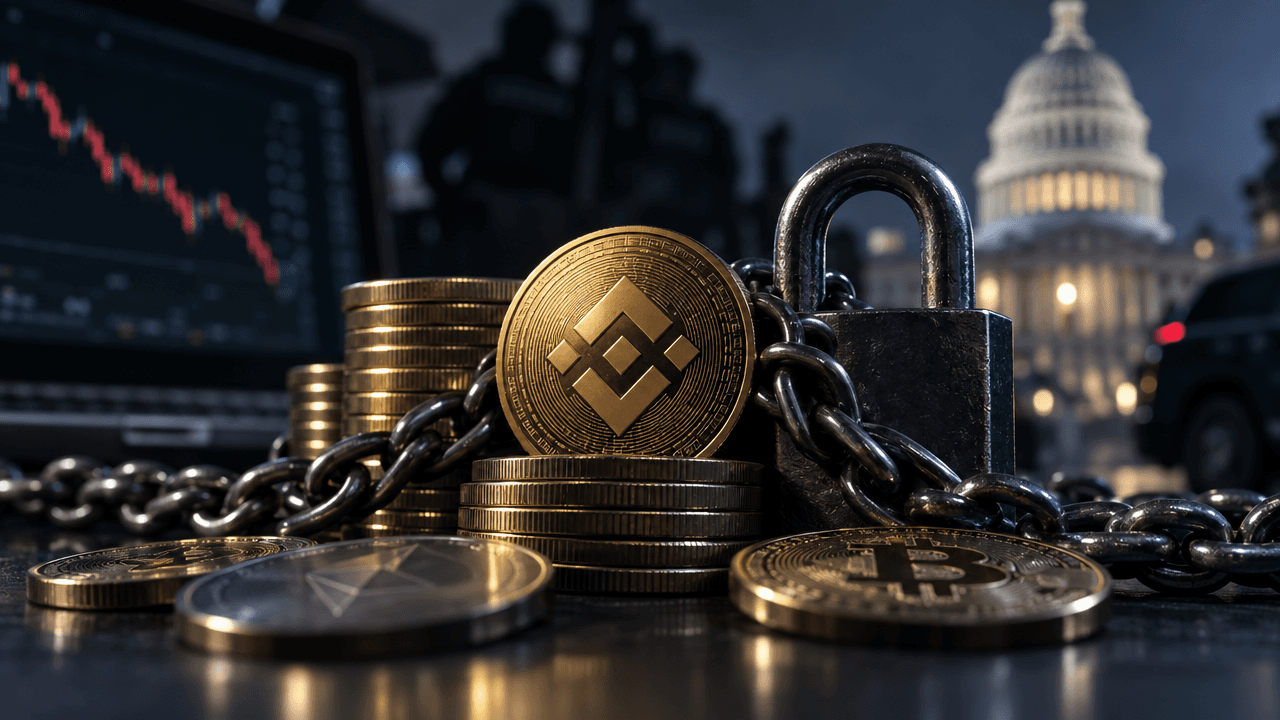
A more than $2.7 billion freeze tied to the Binance hack is putting a new spotlight on the strengths—and vulnerabilities—of modern crypto markets. U.S. authorities, blockchain investigators, exchanges, and stablecoin issuers have worked together to immobilize a significant portion of the digital assets stolen in the October 29 attack. The Justice Department has separately obtained court authorization to seize or restrain more than $1.2 billion of those funds. [1][2]
The event is significant not only because of its extraordinary size, but also because it demonstrates how quickly stolen cryptocurrency can move across wallets, blockchains, bridges, mixers, and trading platforms. For traders, the case offers a practical lesson: digital assets may be decentralized, but the infrastructure surrounding them is increasingly subject to coordinated intervention.
What Happened In The Binance Hack
The FBI attributed the theft of more than $6 billion in digital assets from Binance to North Korean military-linked hackers known as TraderTraitor. The attack has been described as the largest crypto heist on record. Binance said it fully covered the assets affected by the breach, meaning customer balances were not left with the direct loss. [3][4]
Following the theft, investigators and private-sector partners moved to track the stolen funds across the blockchain. Tether and Circle, two of the largest stablecoin issuers, helped freeze assets connected to suspicious addresses. Other crypto companies and platforms also supported efforts to prevent the attackers from converting or moving the funds.
The more than $2.7 billion figure represents assets frozen or secured through combined government and private-sector action. It should not be interpreted as $2.7 billion already returned to victims or permanently forfeited to the government. The court-authorized $1.2 billion is part of the larger frozen pool, not an additional amount. [5][8]
Why Freezing Crypto Matters
Freezing cryptocurrency is different from recovering it. A freeze generally prevents specific tokens from being transferred, redeemed, or exchanged through cooperating issuers and platforms. Seizure and forfeiture involve additional legal processes that determine whether the government can take ownership of the assets.
That distinction matters for traders and investors. Headlines describing billions of dollars “frozen” can create the impression that the funds have been fully recovered. In reality, investigators must continue identifying wallet ownership, proving the connection to criminal activity, and navigating court proceedings before the final disposition of the assets is settled. [11][12]
The case also highlights the unusual nature of crypto enforcement. Public blockchains provide a permanent record of transactions, allowing investigators to follow funds long after they leave an exchange. At the same time, criminals can use sophisticated tools—including cross-chain bridges, mixers, and multiple exchanges—to make tracing and intervention more difficult. The Justice Department said the hackers were continuing to attempt laundering operations as investigators pursued the remaining assets. [1][9]
Market And Liquidity Implications
The immediate market impact may be uneven. Frozen assets are removed from active circulation, which can reduce liquidity in the affected tokens or create temporary imbalances on platforms holding related wallets. If large positions are liquidated, converted, or transferred through regulated venues, traders may also see sudden changes in order-book depth, spreads, and volatility.
Stablecoins are particularly important in this story because they often function as the settlement layer of crypto markets. Their issuers can sometimes freeze tokens associated with sanctioned entities, hacks, or court orders. This creates an important trade-off: centralized controls can help protect the market and support law enforcement, but they also remind users that not every digital asset is equally resistant to intervention.
The broader market reaction will likely depend on whether the remaining stolen funds are identified and whether additional exchanges or token issuers become involved. The freeze itself does not necessarily signal systemic insolvency at Binance, especially because the exchange stated that affected customer assets were covered. However, it adds regulatory, operational, and liquidity risk to an industry already sensitive to exchange failures and security incidents. [3]
What Traders Should Watch
First, distinguish between a freeze, a seizure, a recovery, and a final forfeiture. These terms describe different stages of the legal process and can have very different consequences for market participants.
Second, monitor wallet movements rather than relying only on headline numbers. On-chain activity can reveal whether suspected funds remain dormant, move to a new blockchain, reach an exchange, or interact with a stablecoin contract. Large transfers do not automatically mean liquidation, but they can raise short-term volatility risk.
Third, review counterparty exposure. Traders using exchanges, custodians, lending platforms, or decentralized applications should understand how each service responds to hacked or sanctioned assets. A token may remain visible in a wallet while becoming difficult to transfer or redeem if an issuer or platform applies restrictions.
Finally, manage leverage carefully. Security incidents can trigger rapid price gaps, widening spreads, and forced liquidations even when the affected asset is not directly linked to the stolen funds. Smaller position sizes, defined stop levels, and sufficient margin can help reduce the chance that a sudden liquidity shock becomes a larger account loss.
The Bigger Lesson For Simfi Traders
For SimFi participants, the Binance incident provides a useful scenario for testing risk-management discipline without exposing real capital. Traders can model how a major exchange hack might affect Bitcoin, Ethereum, stablecoins, exchange-related tokens, and broader market sentiment. They can also compare the effect of an immediate freeze with the effect of a later liquidation or regulatory announcement.
The most important lesson is that market risk is not limited to price charts. Technology, custody, legal authority, liquidity, and counterparty behavior can all influence trade outcomes. A strategy that performs well under normal conditions may struggle when assets become frozen, withdrawals are restricted, or spreads widen sharply.
The $2.7 billion freeze shows that crypto transactions can be traceable and that coordinated intervention can stop a substantial amount of stolen value from moving beyond reach. It also shows that enforcement actions develop over time, and that frozen assets are not the same as recovered assets. For traders, the practical response is to follow both blockchain data and legal developments, maintain conservative exposure, and treat liquidity and counterparty risk as essential parts of every trading plan.