
In an event that reverberates through geopolitical and financial realms, Iran's Supreme Leader Ayatollah Ali Khamenei was assassinated on February 28, 2026, in a precise joint US-Israeli airstrike targeting his compound in Tehran. The culmination of exhaustive CIA surveillance, this surgical operation eliminated Khamenei, alongside senior Iranian military and civilian officials, thereby ushering in immediate and profound repercussions across global markets, diplomatic avenues, and regional security infrastructures.
Geopolitical Implications of Khamenei's Demise
Khamenei's death, after three decades of shaping Iran into a formidable anti-US entity, has precipitated a power vacuum at a precarious moment. Under his reign, Iran expanded its reach through proxy forces across the Middle East, while suppressing internal dissent. The immediate fallout has laid bare significant fractures within Iran's leadership, marked by near-total internet blackouts and confusion over succession. Iran's retaliatory missile strikes on US bases in Iraq's Kurdistan region and the Persian Gulf, coupled with missile launches toward Israel, underscore the regime's enduring will and prowess to retaliate.
Globally, reactions have been polarized. Thousands of Iranians mourned in the streets, declaring a 40-day national grief period, while others celebrated the potential end of a repressive era. The assassination sparked protests worldwide, with clashes in Pakistan resulting in at least 26 fatalities, highlighting the deep-seated sectarian and geopolitical rifts exposed by this event.
Market Reaction and USD Surge
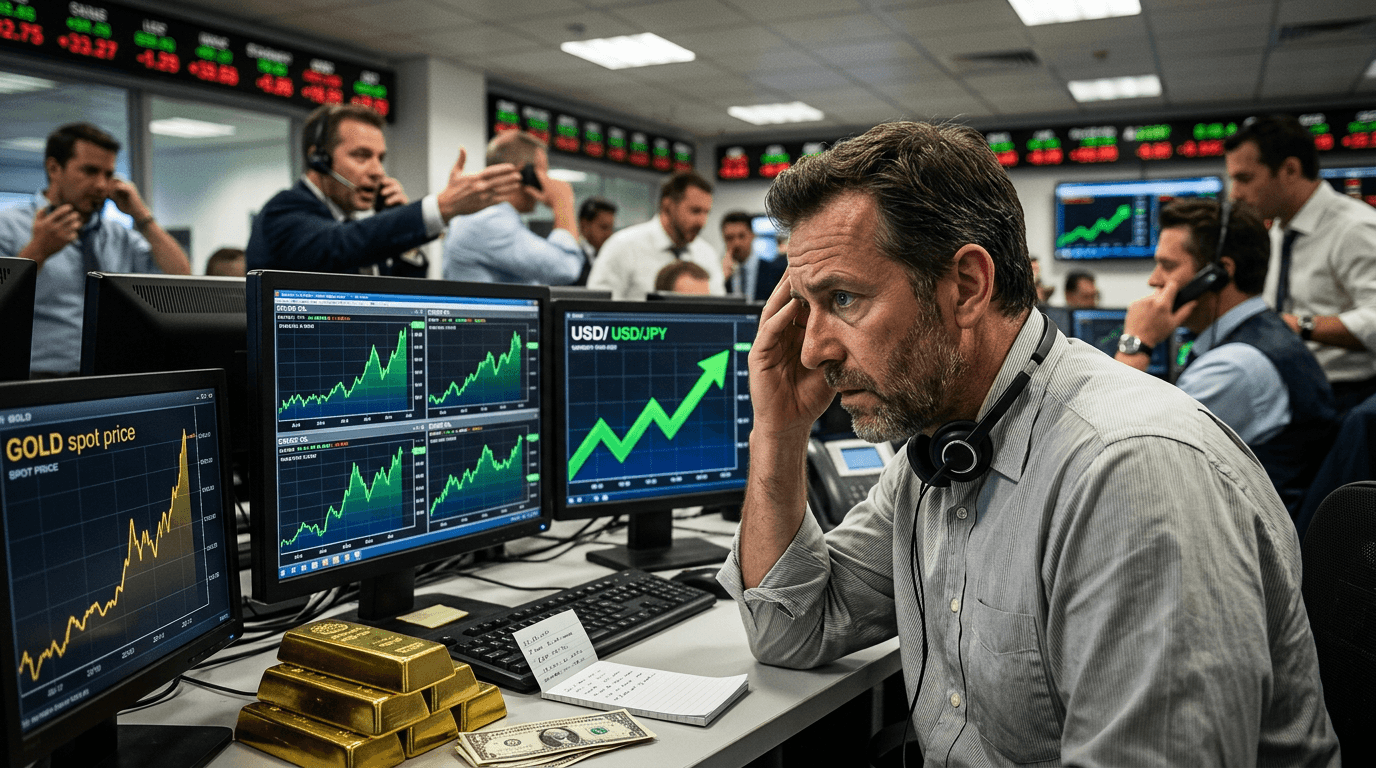
Financially, markets reacted predictably to the elevated geopolitical risk. The assassination triggered a classic risk-off movement, driving investors toward safe-haven assets. Consequently, the US dollar surged, reaffirming its status as the ultimate refuge, while crude oil prices spiked amid fears of Middle Eastern supply disruptions. Barclays analysis indicates a notable correlation between oil price movements and USD strength, estimating a 0.5 to 1 percent increase in USD for every 10 percent rise in crude prices. This dynamic has intensified pressure on currency pairs like EUR/USD, exacerbating European economic concerns.
Oil markets warrant close scrutiny, given Iran's role as a major producer. While immediate supply disruptions have not occurred, potential escalation could further drive energy prices upward, creating a complex trading environment where traditional correlations between crude oil and equities persist. Risk assets are under pressure, while defensive positions and energy futures attract capital.
Trading Considerations in a Volatile Landscape
For traders on platforms like E8 Markets, this scenario presents both challenges and opportunities. Heightened volatility results in wider bid-ask spreads and larger price swings, rewarding disciplined traders. USD strength offers prospects for those positioning in currency pairs, particularly selling emerging market currencies against the dollar. Energy sector positions require careful monitoring due to supply-side risks and demand-side considerations amid potential economic slowdowns. Risk management, including position sizing and stop-loss orders, is critical given the potential for gap moves if tensions escalate.
This situation underscores how geopolitical events, often background noise for traders focused on technical patterns, can swiftly reshape market dynamics. It highlights the necessity of incorporating geopolitical risk assessment into comprehensive trading strategies.
Outlook and Strategic Implications
The coming weeks will be pivotal in determining whether this crisis remains contained or escalates into a broader regional conflict. Iran's unresolved succession question adds uncertainty to its future trajectory and potential policy shifts. International diplomatic efforts, including US-Oman communications regarding negotiations, might offer stabilizing influence, but current indicators suggest prolonged elevated tensions.
Market participants should consider defensive positioning while maintaining flexibility to capitalize on volatility. Khamenei's assassination has fundamentally altered the Middle East's strategic landscape, leaving markets sensitive to developments in Iranian succession, potential military escalation, and shifts in international diplomatic engagement.