
Geopolitical Stakes and Initial Ultimatum
In a significant escalation of tensions, President Trump issued a 48-hour ultimatum to Iran, demanding the reopening of the Strait of Hormuz or facing severe military strikes targeting the country's power plants and energy infrastructure. This move heightened the already volatile geopolitical climate in the Middle East, causing global markets to react sharply as traders and policymakers reassessed risks across energy, equities, and currency markets. The ultimatum, communicated via social media, set a strict deadline with a clear binary choice: compliance or military action, leaving little room for negotiation.
Iran's Strategic Chokehold and the Foreboding Stakes
Iran's blockade of the Strait of Hormuz, a critical passageway for approximately 20% of the world's oil, posed a direct threat to global energy supplies and economic stability. Trump's demand was unequivocal: allow maritime traffic through the strait or face military retaliation. The stakes were immense, with potential for regional military conflict and prolonged disruption to global oil supplies looming large.
Market Turbulence and Financial Repercussions
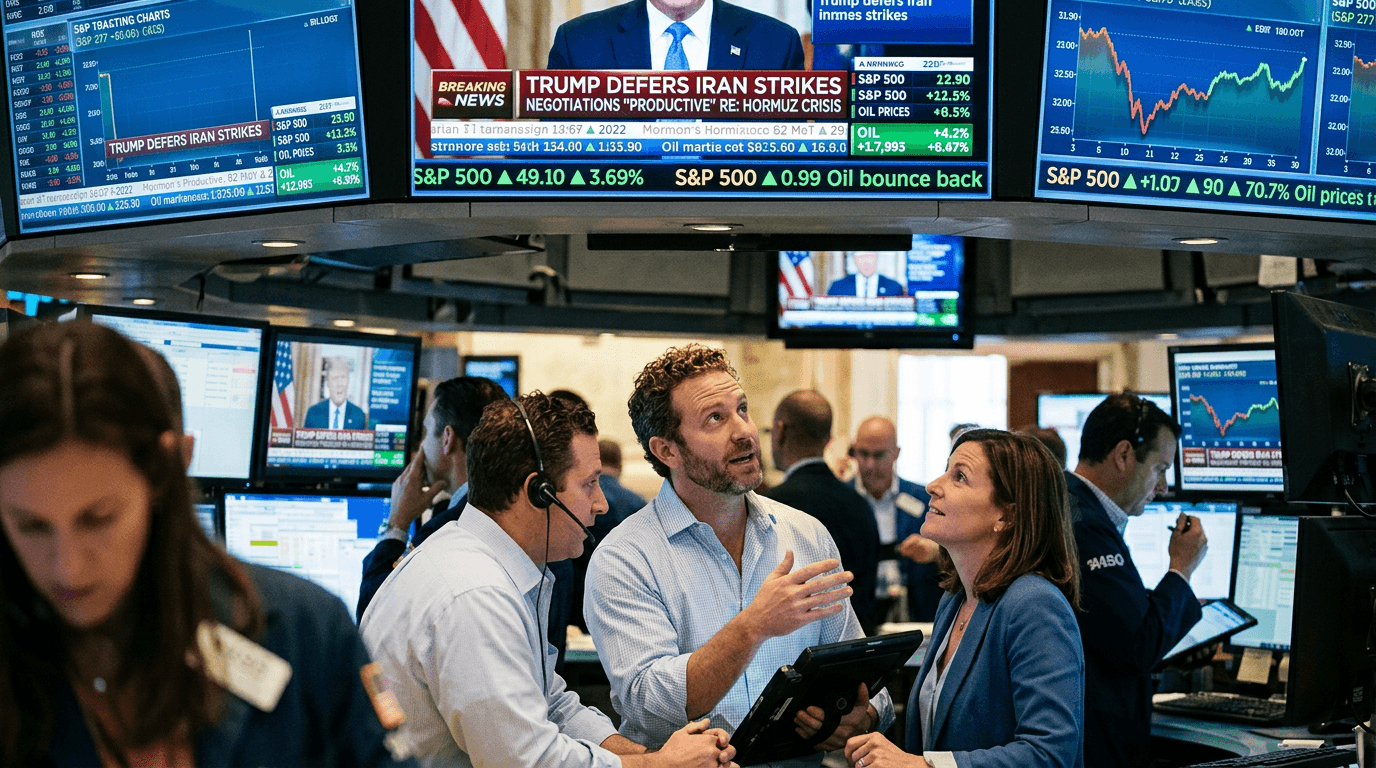
The ultimatum spurred immediate volatility in financial markets as traders scrambled to account for the risks of military conflict and extended energy supply disruptions. Oil prices fluctuated as investors weighed the likelihood of strikes on Iran's oil infrastructure and potential Iranian countermeasures. Equity markets displayed nervousness, with investors retreating from risk assets and seeking safe havens, notably strengthening the US dollar. Participants on E8 Markets' SimFi platform observed significant movements across oil futures, international equities, and currency pairs, reflecting the market's struggle to digest the implications of potential military actions in such a strategically pivotal region. The overarching uncertainty became a driving market force, with volatility indices spiking as participants navigated tail risks and cascading effects.
Iran's Defiant Stand and Threatening Escalations
Instead of acquiescing to Trump's demands, Iran responded defiantly, issuing counter-threats. Iranian officials rejected claims of negotiation, with parliament speaker Muhammad Baqer Qalibaf labeling Trump's assertions as "fake news." Iran's National Defense Council vowed decisive retaliation against any attacks on its power plants or coastal infrastructure, threatening to deploy naval mines across the Persian Gulf. This not only posed a continued blockade threat but also introduced the peril of navigating mine-infested waters. The Iranian military underscored this potential with historical references, noting past challenges in clearing naval mines, thus backing their rhetoric with credible military capabilities.
Diplomatic Overture and the 5-Day Truce
In a surprising turn, President Trump announced a five-day postponement of military strikes, citing "very good and productive conversations" with Tehran aimed at resolving hostilities in the Middle East. While expressing cautious optimism about a potential deal, Trump made it clear that no guarantees were in place. An Iranian Foreign Ministry official hinted at ongoing behind-the-scenes negotiations, despite public denials, introducing an element of uncertainty into the market narrative. This pause raised critical questions: would genuine diplomatic progress emerge, or was the delay merely postponing an inevitable confrontation?
Key Takeaways for Traders and Investors
The swift transition from ultimatum to negotiation underscores the rapid shifts possible in geopolitical landscapes, highlighting the need for vigilance in tracking official statements, media reports, and diplomatic cues. For SimFi traders, this evolving situation offered diverse trading opportunities: oil price volatility, currency movements influenced by risk sentiment, and equity market reactions to shifting conflict probabilities. It also emphasized the impact of tail risks and black swan events on market dynamics, rewarding those with diversified positions and caution against over-leveraged commitments to single geopolitical outcomes. The five-day pause represents a pivotal decision point, where market participants must judiciously evaluate the likelihood of a diplomatic resolution versus continued escalation, shaping trading strategies across major asset classes.