
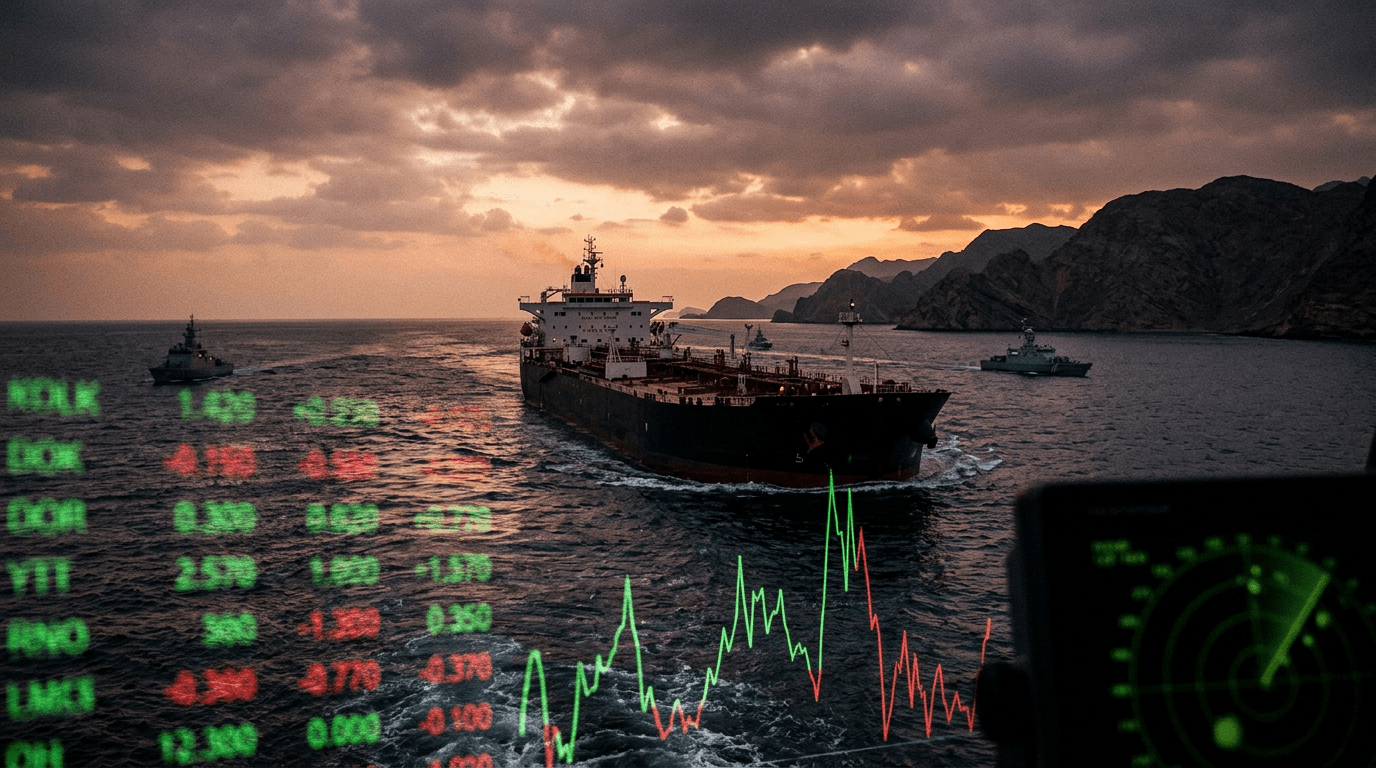
President Donald Trump's bold ultimatum to Iran on Saturday sent ripples through global markets, demanding the reopening of the critical Strait of Hormuz within 48 hours or face strikes on its power plants. This high-stakes maneuver highlights one of the most precarious geopolitical tensions in recent times, directly impacting global energy supplies and unnerving financial markets already on edge due to regional conflicts. As traders and investors scramble to gauge the implications, grasping the intricacies of this escalation—and its potential market impact—is crucial for those invested in energy stocks, commodities, or broader market indices.
The Ultimatum: A Tipping Point In Tensions
In a striking post on Truth Social, Trump declared: "If Iran doesn't FULLY OPEN, WITHOUT THREAT, the Strait of Hormuz, within 48 HOURS from this exact point in time, the United States of America will hit and obliterate their various POWER PLANTS, STARTING WITH THE BIGGEST ONE FIRST!" This ultimatum followed heightened tensions after U.S. and Israeli coordinated strikes on Iranian targets on February 28, which led Iran to block the strategically vital Strait of Hormuz in retaliation.
Trump's ultimatum stands out for its clarity and urgency. Unlike previous diplomatic maneuvers, this threat set a precise deadline with explicit military repercussions. This announcement marked a shift from Trump’s earlier comments, which hinted at resolving the conflict without necessarily reopening the strait. The shift underscores growing domestic and international pressure over the strait's closure and its cascading economic consequences.
Pressure On Global Energy Markets
The Strait of Hormuz, a narrow passage between Iran and Oman, is the world's most critical oil chokepoint, managing about 20% of global crude oil supply. Since early March, severe restrictions through the strait have wreaked havoc on energy markets. Oil prices have soared as traders grapple with supply uncertainties, putting margin pressures on energy-dependent sectors.
For SimFi traders watching real-world market dynamics, the stakes are significant. Rising oil prices often boost energy stocks, especially integrated oil companies and exploration firms, but they strain transportation, airlines, and manufacturing sectors reliant on fuel. The blockade has disrupted global supply chains, offering both trading opportunities and risks depending on sector exposure. Following Trump's ultimatum, market openings reflected these concerns, with energy stocks rising and economically sensitive sectors faltering amid recession fears linked to higher energy costs.
Iran's Defiant Stance And Escalating Threats
Instead of backing down, Iran responded to Trump's threat with defiance and military posturing. Iranian President Masoud Pezeshkian dismissed Trump's ultimatum as a sign of desperation, claiming it only strengthened Iran's resolve. More alarmingly, Iran's military and security officials issued credible counter-threats, including targeting U.S. and regional energy infrastructure and threatening to mine the Persian Gulf—a move that could extend disruptions far beyond the current crisis.
Iran's Central Headquarters spokesperson warned of reciprocal strikes on U.S. and allied energy, IT, and desalination infrastructure should Iran's facilities be attacked. The National Defense Council went further, threatening to mine access routes in the Persian Gulf, potentially making the region inaccessible to commercial shipping. Given Iran's history with naval mines and asymmetric warfare, these threats are plausible.
A Surprising Turn: Negotiations And A Temporary Reprieve
By Monday morning, the situation unexpectedly shifted. Trump announced on Truth Social a five-day postponement of his military threat due to "VERY GOOD AND PRODUCTIVE CONVERSATIONS" with Tehran about "a COMPLETE AND TOTAL RESOLUTION OF OUR HOSTILITIES IN THE MIDDLE EAST." While Iranian state media denied active negotiations, Trump's decision to pull back suggested progress in backroom diplomacy.
This temporary de-escalation reduces immediate military risks but introduces uncertainty about the final outcome. Will the five-day talks yield a breakthrough? Will Iran agree to fully reopen the strait without further threats? The answers will fundamentally influence market trajectories in the coming weeks.
What Traders Should Watch Next
For SimFi users and real-world traders, several developments merit close attention. Energy prices will likely remain volatile as negotiations progress—positive signs could lead to sharp oil price declines, while renewed tensions could cause spikes. Pay close attention to Middle East headlines during these five days. Watch for any reduction in Iranian military posturing or increased maritime traffic, which would indicate genuine progress.
Monitor broader market reactions to geopolitical risks. Bond yields, dollar strength, and safe-haven asset demand often shift significantly during escalating international crises. While the postponement of Trump's ultimatum provided temporary market relief, heightened risk premiums could persist throughout the negotiation period.