
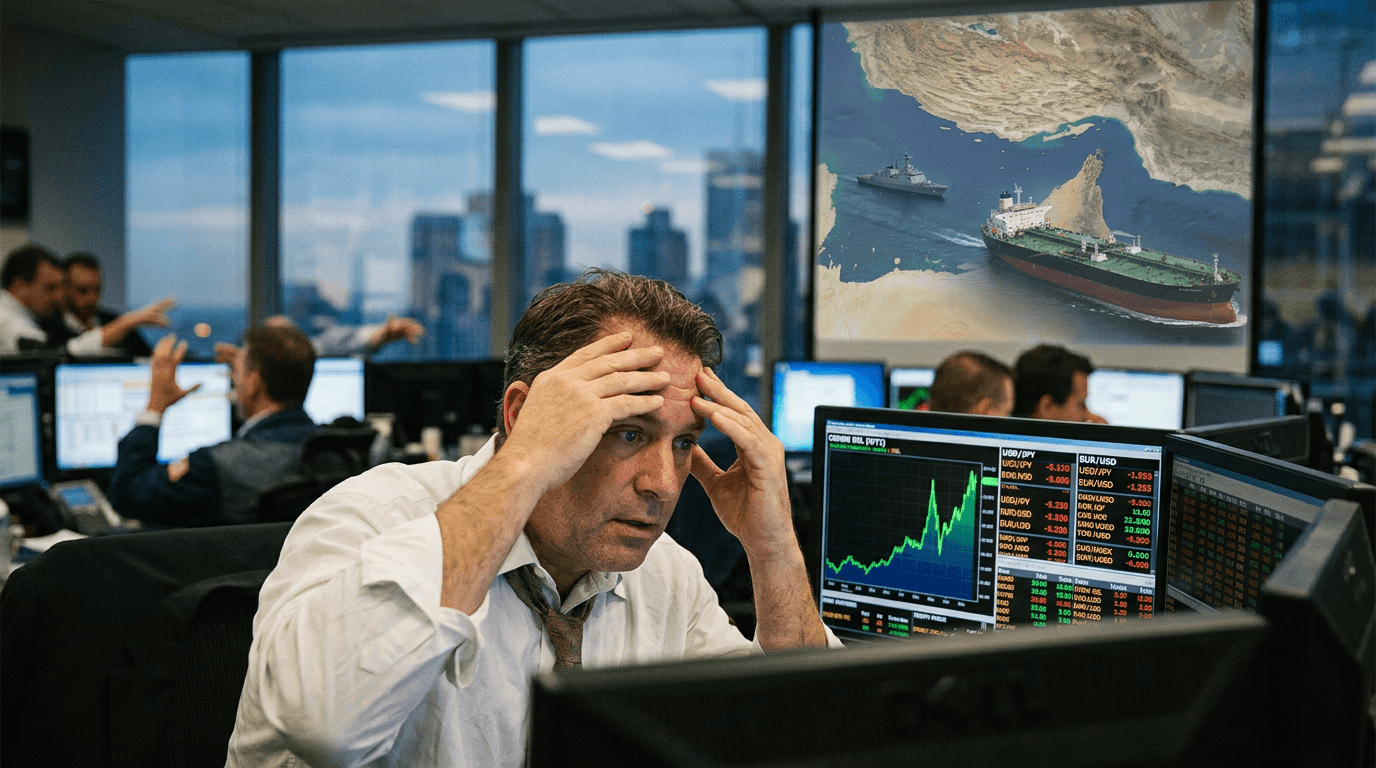
Trump's Iran Ultimatum: A Crucial Flashpoint for Global Markets
The geopolitical landscape is intensifying as President Trump ratchets up pressure on Iran concerning the Strait of Hormuz, a critical artery in global trade. Initially a 48-hour ultimatum, the deadline now stretches to 10 days. However, the core warning remains clear: Iran must fully reopen this essential shipping lane, or the United States will target its energy and desalination infrastructure. For traders and investors attuned to geopolitical risks, this scenario unfolds as one of the most significant flashpoints in recent history, with far-reaching impacts on crude oil prices, currency dynamics, and equity valuations worldwide.
The Escalating Crisis
The blockade of the Strait of Hormuz underscores its importance as a pivotal chokepoint in global commerce. Iran's partial gestures, such as allowing 10 oil-laden ships to pass, fall short of complete compliance. Trump's ultimatum reflects a firm stance to compel Iran to act, with the deadline's extension hinting at diplomatic maneuvering. Behind the scenes, US Special Envoy Steve Witkopf has presented Iran with a 15-point peace proposal, indicating a dual strategy of diplomatic and military pressure. Meanwhile, Israel's claim of eliminating the Revolutionary Guard's Naval commander, coupled with ongoing retaliatory missile and drone strikes targeting Israel, Saudi Arabia, and Kuwait, fuels a cycle of escalating conflict.
Market Repercussions and Safe-Haven Dynamics
In financial markets, the immediate concern revolves around the security of crude oil supplies and a shift towards risk aversion. A prolonged closure of the Strait of Hormuz could disrupt a corridor responsible for about 20% of globally traded oil, sparking supply shocks and price surges. Traders have already factored this premium into energy futures, preparing for potential disruptions. Currency markets react similarly, with the US dollar gaining strength as investors seek safer assets amid geopolitical turmoil. This mirrors past crises: emerging market equities retreat, volatility surges, and the dollar appreciates as the world's primary reserve currency and ultimate refuge.
Global equities face multifaceted challenges: rising oil prices squeeze corporate profit margins, central banks tighten monetary policy to combat inflation, and heightened risk premiums demand greater returns for holding risky assets. The S&P 500 and international indices exhibit sensitivity to unfolding crisis developments, with risk assets retreating amid escalating headlines. Trump's criticism of allies like Australia for insufficient support in the Hormuz crisis also hints at potential trade tensions, adding another layer of complexity to market sentiment.
Trading Strategies for Simulated Finance Participants
For traders on simulated finance platforms, this volatile environment presents both hurdles and opportunities. Long positions in crude oil, particularly WTI and Brent futures, stand to gain from supply concerns, though Iran's initial concessions limit the blockade's full impact. Energy sector stocks showcase a mixed outlook: integrated oil firms with robust cash flows may benefit from elevated energy prices, while downstream businesses and airlines contend with margin pressure due to increased fuel costs.
Currency traders should keep a close eye on USD strength, typically appreciating during geopolitical crises as capital shifts to the safest assets. Emerging market currencies, especially those of oil-importing nations, face depreciation risks. Within equity markets, defensive sectors like utilities and consumer staples tend to outperform cyclical sectors during risk-off phases, a pattern seen in past geopolitical flare-ups.
Heightened volatility also presents opportunities for options traders, as implied volatility surges during geopolitical uncertainty. Straddle and strangle strategies, which profit from significant price movements in either direction, become more appealing when volatility expectations rise. However, execution risk is amplified, as gap movements can occur between trading sessions due to unfolding geopolitical developments.
Key Risk Factors to Monitor
The situation remains highly fluid and unpredictable. If diplomacy fails and the 10-day extension lapses without resolution, Trump has explicitly warned of targeting Iran's energy infrastructure, potentially igniting a broader regional conflict. Escalation could extend beyond the Hormuz blockade, disrupting shipping lanes across the Persian Gulf and beyond. Additionally, cyber attacks, further military leader assassinations, or unexpected alliance shifts could dramatically alter the trajectory overnight.
Trader Takeaways
In this volatile landscape, position sizing becomes paramount. Elevated volatility and gap risk necessitate cautious risk management—positions should account for the possibility of overnight moves exceeding typical daily ranges. Diversification across uncorrelated assets, particularly commodities and currency pairs, helps mitigate specific directional bets on oil or USD. Establishing clear stop-loss levels and profit-taking targets prevents emotional trading during volatile swings. Finally, maintaining flexibility to adjust positions as news evolves ensures you're not overexposed in any single direction when the situation changes.
The next 10 days will likely prove pivotal for both geopolitical outcomes and financial market trajectories.
News Impact Score: 9