
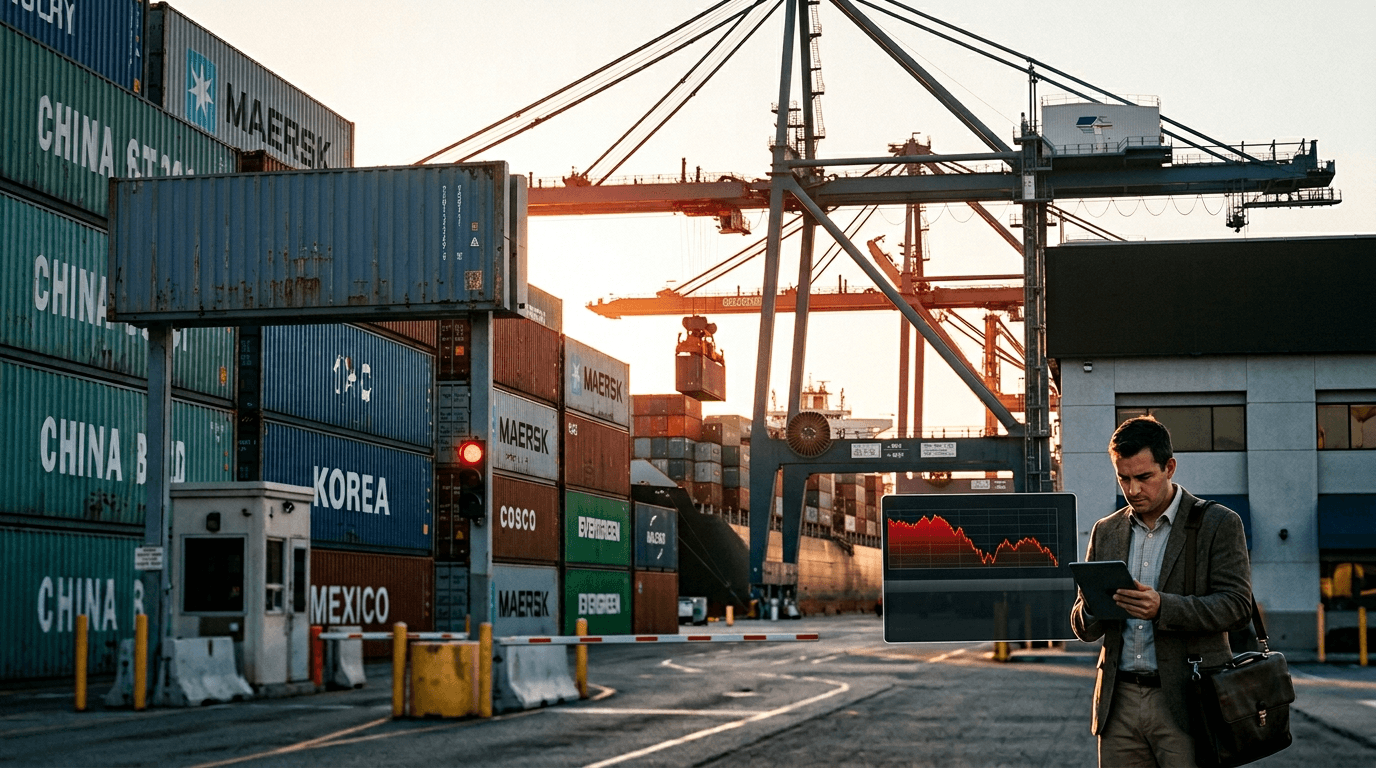
The Trump Administration has implemented a significant shift in US trade policy with the introduction of a temporary 10% import surcharge, effective February 24, 2026.[1][2] This proclamation, issued under Section 122 of the Trade Act of 1974, represents a direct response to what the administration identifies as fundamental international payments problems, particularly the nation's large and serious balance-of-payments deficit.[2] The measure applies to most articles imported into the United States and will remain in effect for 150 days, expiring in summer 2026, after which congressional approval would be required to extend it.[1]
The Policy Framework And Legal Basis
The 10% ad valorem duty was implemented through a presidential proclamation signed on February 20, 2026, leveraging Section 122 of the Trade Act of 1974, which empowers the President to impose temporary import surcharges of up to 15% during periods of fundamental international payments problems.[2] The administration determined that the United States faces large and serious balance-of-payments deficits warranting this action, citing economic and national security concerns.[2] This legal framework comes notably after a Supreme Court ruling that curtailed the President's authority to impose certain tariffs, making the Section 122 route the chosen vehicle for implementing these trade restrictions.[3]
The proclamation took effect on February 24, 2026, at 12:01 a.m. Eastern Standard Time, with an important caveat: products already loaded on ocean vessels prior to the implementation date and entered for consumption before the deadline are exempt from the surcharge.[6] This transition mechanism provided importers with a brief window to adjust supply chains, though the sudden implementation still created significant disruption in global trade flows.
What Is Actually Subject To The Surcharge
While the 10% surcharge applies broadly to most imports, the proclamation includes several important exemptions based on the needs of the US economy and national interests.[3] Notably exempt are pharmaceuticals, energy products, vehicles and parts, aerospace products, certain electronics, and goods from Canada and Mexico that comply with USMCA standards.[3] Additionally, the surcharge does not apply to certain critical minerals, metals used in currency and bullion, and various energy-related products.[4]
The breadth of these exemptions reveals the administration's balancing act between restricting imports and protecting vulnerable domestic industries and consumers. Sectors deemed critical to US economic functioning or national security receive protection, while others face the full weight of the new tariff regime. This selective approach differs from a blanket tariff and suggests strategic thinking about which industries can absorb increased import costs.
Addressing The Trade Deficit Crisis
The fundamental driver behind this policy is the severity of the US trade imbalance. The nation faces a reported $1.2 trillion goods trade deficit and a current account deficit representing approximately 4% of GDP, the largest such deficit since 2008.[1] These figures underscore the urgency that administration officials attached to implementing immediate measures. The balance-of-payments deficit has created pressure on the dollar and complicated macroeconomic management, providing the justification for this emergency trade action.
The 150-day duration was deliberately chosen to address immediate economic pressures while allowing time for Congress to formulate a longer-term approach. However, sources indicate that congressional approval for extension beyond the 150-day window is considered unlikely, creating what market analysts describe as a mid-year policy cliff hanger.[1] This uncertainty complicates planning for importers and exporters across global supply chains, as businesses must prepare for either continuation or removal of the surcharge depending on congressional action.
Forex Market And Global Implications
The timing and structure of this surcharge carry significant implications for currency markets and trading strategies. By restricting imports, the policy aims to improve the trade balance, which could theoretically strengthen the US dollar by reducing demand for foreign currency to pay for imports.[1] For forex traders and global portfolio managers, this represents a substantial shift in the trade dynamics that influence currency valuations.
Global trading partners face increased pressure from the surcharge, particularly those with significant export-dependent economies. This policy tool serves a dual purpose: addressing domestic economic concerns while simultaneously applying pressure on countries the administration views as benefiting unfairly from trade imbalances. The selective exemptions for USMCA partners, meanwhile, signal preferential treatment for North American trade relationships and could reshape sourcing decisions for multinational corporations.
Looking Ahead For Traders And Businesses
The temporary nature of this surcharge creates both risks and opportunities for market participants. The 150-day timeline means that fundamental trade relationships remain uncertain through the summer of 2026, potentially creating volatility in equity, currency, and commodity markets. Businesses relying on imported inputs must reassess supply chain strategies and pricing models immediately.
For SimFi traders and those modeling economic scenarios, understanding the mechanics and exemptions of this surcharge is essential. The policy represents a significant macroeconomic intervention that could influence broader market trends in equities, forex, and commodities. As the summer expiration approaches, market sentiment regarding congressional action will likely create trading opportunities and require active monitoring of legislative developments.
The implementation of this 10% temporary import surcharge marks a pivotal moment in US trade policy, with ramifications extending far beyond simple tariff rates to encompass broader questions about trade relationships, currency strength, and global economic rebalancing.