
US Dollar Index Dives Below 100: Unpacking the Impact on Forex Traders
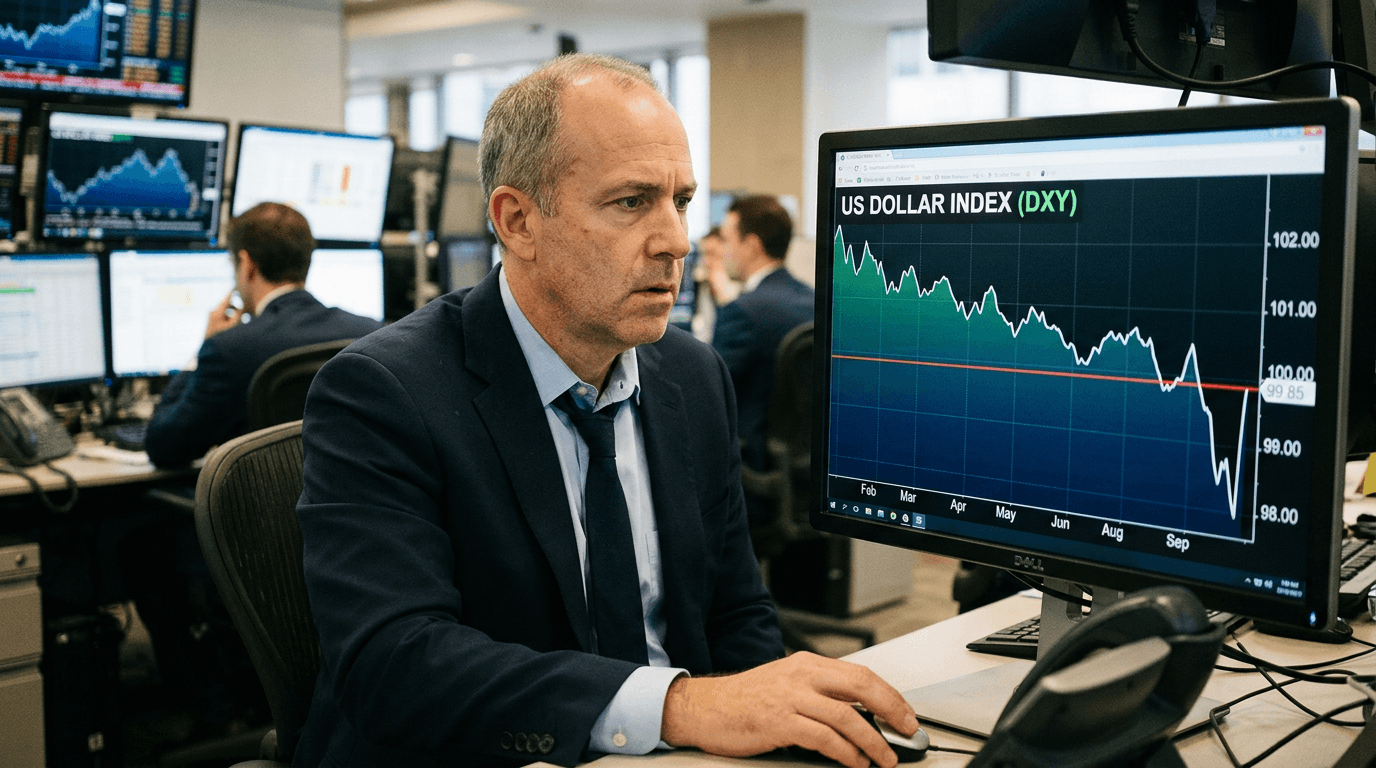
The US Dollar Index (DXY) has broken through the psychologically pivotal 100 mark, a shift that traders must not overlook. This dip, marking the first consistent period below this level since July 2023, signifies more than just a routine technical adjustment. It reflects a core re-evaluation of the dollar's strength, influenced by changing Federal Reserve policies, tariff disputes, and the strengthening of economies outside the U.S. For traders—both new and seasoned—understanding this shift is crucial for effectively positioning strategies and seizing emerging opportunities in forex markets.
The 100 Level: Why It Matters
To comprehend the significance of this drop, it's essential to understand what the DXY represents. The US Dollar Index assesses the dollar's strength against a basket of six major global currencies, with the Euro holding a substantial 57.6% weight. The index also includes the Japanese Yen, British Pound, Canadian Dollar, Swedish Krona, and Swiss Franc.
The 100 level has been a key psychological marker and technical support for over a decade, watched by central banks, multinational corporations, and traders globally. This isn't random. A decisive break below such a round number on high trading volume signals institutional money exiting positions and a genuine shift in market sentiment. Trading below 100 indicates the dollar is weaker than its historical average since the index's inception in 1973. This breach marks the loss of a major support level that had held firm through numerous challenges, making it a pivotal moment for currency traders and global markets.
What Caused The Breakdown
The fall below 100 wasn't an isolated event. A convergence of factors put downward pressure on the dollar. Most notably, the Federal Reserve's pause in interest rate hikes removed a key pillar supporting dollar strength. For years, high US interest rates attracted capital seeking better yields, naturally boosting the dollar. However, as other central banks, like the European Central Bank and Bank of England, maintained their policies, the interest rate gap that favored dollar-denominated assets narrowed significantly.
Beyond monetary policy, improving economic data from the Eurozone has diminished the dollar's traditional safe-haven appeal. As global risk appetite improves, investors are less inclined to seek refuge in US assets, naturally reducing demand for the dollar. Adding to the mix are ongoing tariff tensions and policy uncertainties, which have generated volatility that surpasses traditional currency fundamentals. This confluence of pressures created sustained selling momentum, driving the DXY decisively through the 100 threshold, with elevated trading volumes confirming the move's strength.
Technical Signals And Chart Patterns
The technical outlook portrays a bearish scenario for the dollar in the near term. The 50-day and 200-day moving averages have formed a death cross, a classic bearish signal indicating sustained selling pressure ahead. Trading volume surged during the breakdown, confirming this was genuine institutional selling rather than a minor fluctuation easily reversed.
Key support levels now hover near 98.50, a zone untested since early 2023. Should the DXY breach this support, losses could extend further into uncharted territory. On the upside, 99.50 remains crucial, while the 100.20-100.50 range is critical to monitor. If the dollar can sustain above this range, it might climb toward 101.60. However, given current momentum, the risk of further downside remains elevated. Price action charts show sharp drops followed by modest recoveries, reflecting heightened volatility and uncertainty among traders trying to position for this new environment.
Implications For Traders
This breakdown presents both challenges and opportunities. For traders holding long dollar positions, the technical deterioration suggests caution. For those favoring other currencies, particularly the Euro, this development supports positive positioning in EUR/USD and similar pairs. The enhanced technical structure in these pairs offers attractive risk-reward setups for swing and position traders.
However, the dollar's ultimate trajectory will depend on upcoming economic data and Federal Reserve communications. Positive surprises in inflation or employment figures could quickly reverse the dollar's weakness, pushing it back above 100. Conversely, data reinforcing expectations of slower growth or earlier rate cuts could drive the dollar lower. Traders should closely monitor economic calendars and central bank communications for catalysts that could trigger rapid directional moves.
Key Takeaway
The US Dollar Index's fall below 100 represents a complex narrative intertwining technical breakdowns with fundamental shifts in currency market drivers. This level matters, the breakdown is genuine, and traders need to approach this development with seriousness. Whether this marks the start of a prolonged dollar decline or a temporary retreat will be determined by upcoming market forces. What is certain is that volatility will persist, offering opportunities for those ready to navigate this evolving landscape.