
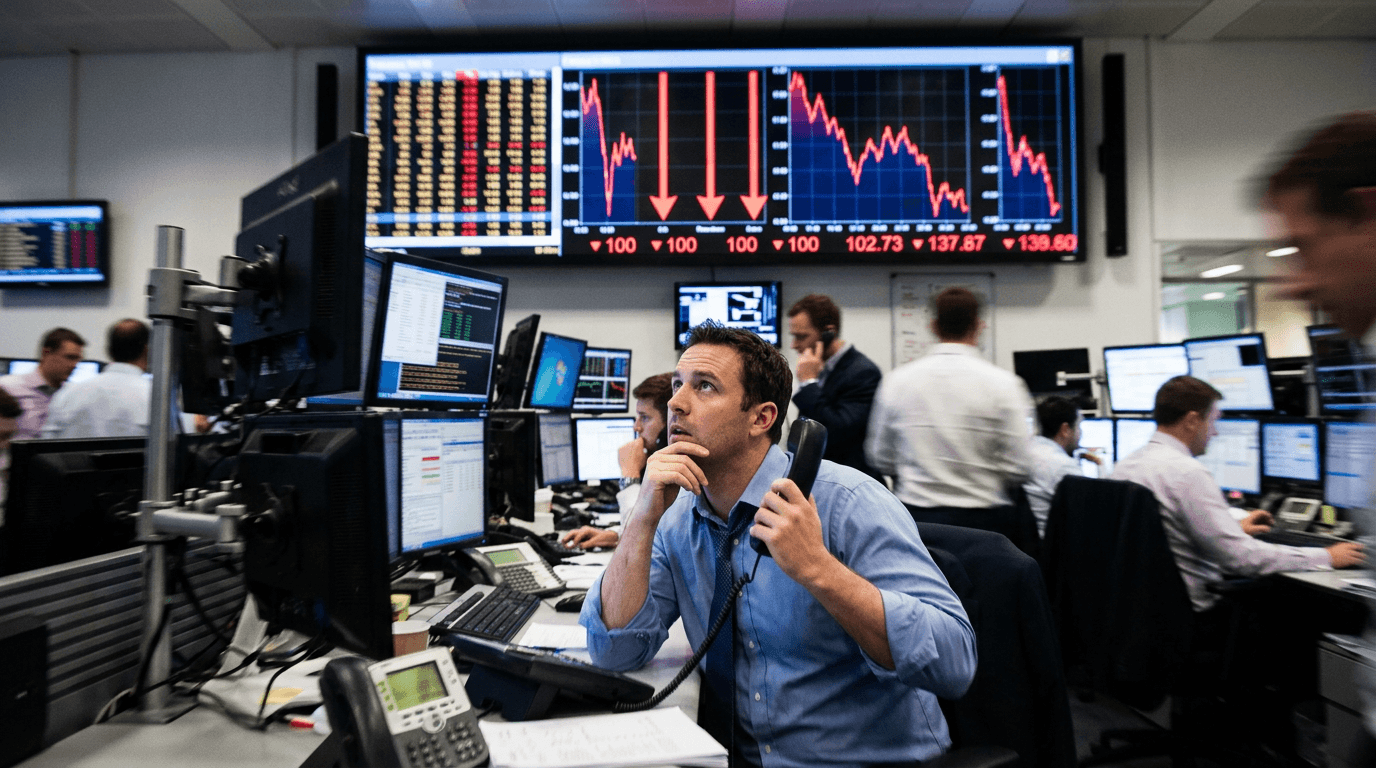
For the first time since July 2023, the US Dollar Index has definitively broken below the 100 mark, signaling a seismic shift in global currency markets that traders cannot ignore. This psychological barrier represents far more than a routine technical adjustment—it reflects a fundamental recalibration of how markets view the US dollar's future amid changing monetary policy, softer economic data, and escalating trade tensions. The implications ripple across forex pairs, commodities, and capital flows worldwide, making this moment critical for anyone managing exposure to currency or international markets.
The Significance Of The 100 Level
The 100 threshold on the DXY carries outsized importance in financial markets. The index, which measures the dollar's strength against a basket of major currencies, was established by the Federal Reserve in 1973. Trading below 100 means the dollar is weaker than its historical average since inception—a rare occurrence that commands attention. When major technical levels break decisively after holding for extended periods, they often signal institutional repositioning rather than casual profit-taking. The sustained breakdown below 100 suggests that smart money has begun betting on a longer-term dollar weakness narrative, not just a temporary pullback.
What Drove The Dollar Lower
The dollar's descent stems from multiple converging factors. The Federal Reserve's pivot toward a pause in interest rate hikes removed a key advantage the dollar previously enjoyed. Higher US interest rates typically attract foreign capital seeking yield, supporting the currency. With rate hikes now on hold, that advantage has diminished. Simultaneously, softer Producer Price Index data weakened the case for sustained inflation, further eroding rate hike expectations and dollar strength.
Trade tensions have added another layer of pressure. Uncertainty about tariffs and trade policy creates risk-off sentiment that historically weighs on the dollar as investors reassess capital flows. Meanwhile, central banks overseas have tightened monetary policy or signaled hawkish stances—the European Central Bank cautioned against inflationary risks to support the euro, and the Bank of Japan's rate hike trajectory has strengthened the yen, both pressuring dollar valuations. These shifts, combined with weaker-than-expected US labor data showing rising job cuts, created the perfect storm for dollar weakness.
Technical Levels And What's Next
From a technical perspective, the breakdown is unmistakably bearish. Charts reveal a pattern of lower highs and lower lows, indicating genuine selling pressure rather than mere profit-taking. Key support levels now warrant close monitoring. The 99.70 zone represents the first line of support, but traders should fixate on the 98.50 level—a zone untested since early 2023. A decisive breach of 98.50 opens the door to deeper losses. A break below 97.50 would signal a clearer, longer-term reversal with potentially significant implications for capital flows across asset classes.
On the upside, resistance emerges at 100.20 to 100.50, representing a potential recovery area if the dollar stabilizes. Stronger resistance lies between 101.60 and 103, levels that would require a meaningful reversal in the factors currently pressuring the dollar.
Implications Across Asset Classes
Dollar weakness doesn't occur in isolation—it reshapes the landscape for multiple markets. Currency pairs like EUR/USD and GBP/USD have rebounded to higher levels as the euro and pound strengthen relative to a softening greenback. These moves create both opportunities and risks for forex traders, particularly those with directional positions or carry trade strategies.
Commodity markets face immediate impacts. Since most global commodities are priced in US dollars, weakness in the currency typically supports commodity prices by making those assets cheaper for buyers using other currencies. This dynamic can benefit energy traders, precious metals investors, and agricultural commodity players. However, the relationship isn't always perfectly linear—trade tensions and risk-off sentiment can override currency effects.
Multinational corporations with significant foreign revenues benefit from translation gains when the dollar weakens, potentially supporting equity markets. Conversely, importers face headwinds as foreign goods become more expensive in dollar terms.
What Traders Should Do Now
The immediate priority is monitoring key support levels. Watch for a sustained hold or break of 98.50—this will determine whether the current move represents a significant trend shift or a temporary pullback. Federal Reserve communications deserve intense scrutiny; any signals about rate cuts would accelerate dollar weakness, while hawkish surprises could reverse the breakdown quickly.
Economic data releases carry outsized importance in this environment. Jobs reports, inflation figures, and PMI data will all influence whether the dollar can stabilize above key levels or continues declining. Trade policy announcements should also be on your radar, as escalating tensions could exacerbate dollar weakness.
Evaluate your current exposure ruthlessly. If you're long the dollar via currency positions, commodities, or international equities, consider your risk tolerance and whether this technical breakdown has changed your thesis. Currency hedges that seemed unnecessary weeks ago may now warrant reconsideration.
The Bottom Line
The US Dollar Index's break below 100 represents a genuine market inflection point. This isn't routine noise—it's a signal that market participants have shifted their collective view on dollar fundamentals. Whether this breakdown leads to a sustained trend or a temporary pullback depends heavily on upcoming economic data and Federal Reserve signals. Traders must remain vigilant, monitor key technical levels, and adjust their strategies accordingly.