
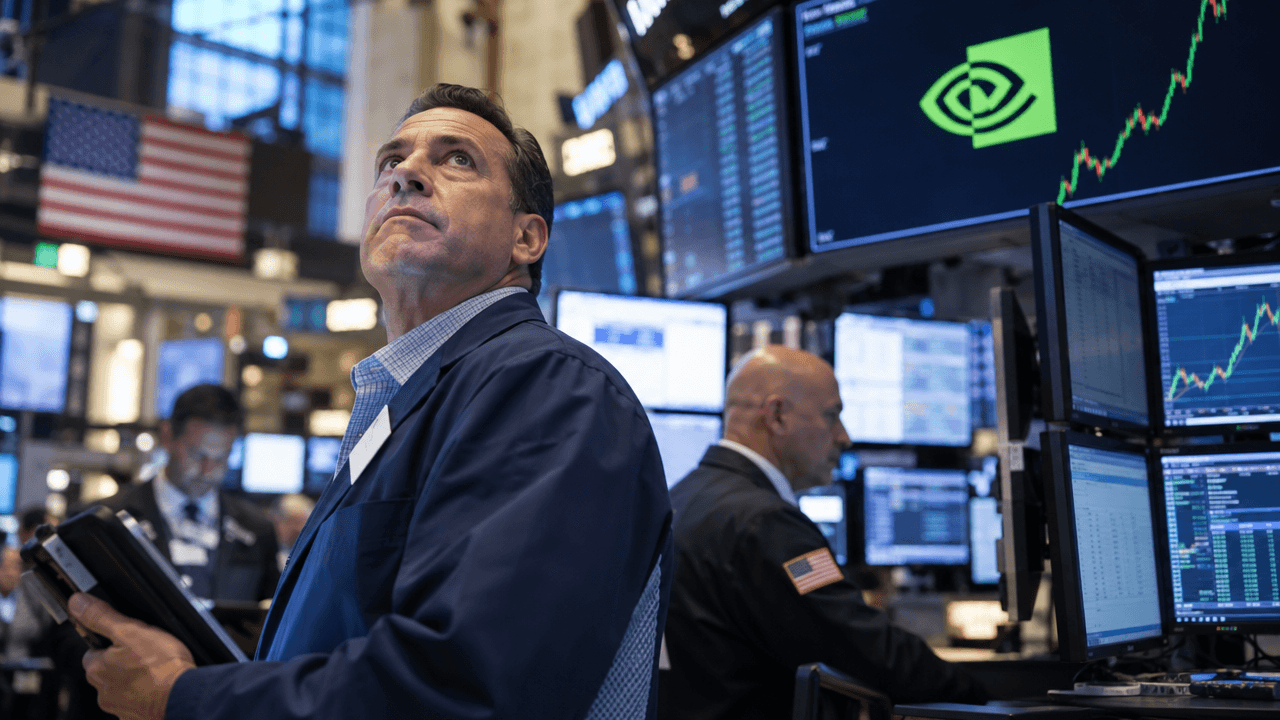
U.S. equity futures are pointing toward a steadier open after an inflation-driven selloff pressured stocks in the previous session. S&P 500 futures rose roughly 0.3% to 0.5%, Nasdaq 100 futures gained close to 1%, and Dow futures advanced more modestly, suggesting that buyers were beginning to test the market after Tuesday’s decline. [3][5]
The rebound does not erase the concerns that triggered the selloff. Hotter-than-expected inflation reinforced expectations that the Federal Reserve may keep interest rates higher for longer, while weakness in Nvidia added pressure to technology and artificial intelligence stocks. The overnight futures move is therefore best viewed as an attempt at stabilization rather than proof that the market’s risk has disappeared.
Inflation Remains The Central Market Driver
The latest consumer price data delivered an unwelcome reminder that inflation is not moving smoothly toward the Federal Reserve’s target. Consumer prices increased 0.4% in October from the prior month, above economists’ forecast for a 0.3% rise. Core CPI, which excludes food and energy, advanced 0.3%, also exceeding expectations. [11]
For equity investors, the significance goes beyond the monthly numbers. Persistent inflation can delay interest-rate cuts or encourage the Federal Reserve to maintain a restrictive policy for longer. Higher interest rates raise borrowing costs for businesses, reduce the present value of future earnings, and often place the greatest pressure on richly valued growth stocks.
Markets were already assigning a high probability to a December Federal Reserve rate increase, with expectations reportedly reaching approximately 91% after the inflation release. [1] That repricing helps explain why technology shares reacted so sharply. Companies whose valuations depend heavily on future growth are particularly sensitive to changes in bond yields and monetary policy expectations.
Why Futures Are Rebounding
A rebound after a sharp decline is not unusual. Some investors use weakness to buy shares at lower prices, while short sellers may close profitable positions after an initial move lower. Portfolio managers can also rebalance exposure when index futures fall too far relative to the underlying fundamentals.
The overnight futures performance reflects that process. Nasdaq 100 futures were among the strongest performers, rising approximately 0.9% in one market update, while S&P 500 futures gained about 0.5% and Dow futures rose roughly 0.2%. [5] The stronger Nasdaq response indicates that traders were willing to revisit technology stocks despite the interest-rate challenge.
However, futures prices can change substantially before the opening bell. They reflect overnight trading, liquidity conditions, headlines, and expectations rather than a confirmed direction for the regular session. Traders should avoid treating a positive futures reading as a guaranteed bullish signal.
Nvidia And The Technology Test
Nvidia was a major source of pressure during the prior session, falling more than 5% and extending a decline linked to reports involving Chief Executive Jensen Huang and alleged Chinese espionage concerns. The stock’s weakness had an outsized effect because Nvidia is both a major index constituent and a symbol of the broader artificial intelligence trade. [7]
The market’s reaction illustrates an important principle: heavily weighted stocks can influence index performance even when the broader group of companies is relatively stable. When a market leader falls sharply, investors often reassess valuations across the entire sector.
A sustained rebound in the Nasdaq 100 will likely require more than a single positive futures session. Traders may look for evidence that Nvidia can stabilize, Treasury yields are no longer rising rapidly, and other technology companies can attract buyers without relying solely on momentum.
What Traders Should Watch Next
The first priority is the relationship between inflation data, Treasury yields, and rate expectations. If bond yields continue higher, equity markets may struggle to extend the rebound. If yields stabilize, investors may become more comfortable buying technology and other long-duration assets.
Second, traders should monitor market breadth. A rally led by only a handful of large technology companies is more vulnerable than an advance supported by industrials, financials, consumer companies, and small-cap stocks. The Dow’s more modest futures gain compared with the Nasdaq also suggests that the recovery may initially remain concentrated in growth shares.
Third, volatility deserves close attention. Following an inflation surprise, price movements can remain exaggerated as investors update valuations and economic expectations. Reduced position size, defined risk, and clearly placed stops can be more useful than trying to predict every short-term swing.
For SimFi traders, this environment offers a practical training opportunity. A disciplined exercise could involve creating two scenarios: one in which inflation keeps rates elevated and growth stocks weaken, and another in which yields stabilize and the technology rebound broadens. Recording the assumptions behind each trade helps separate a repeatable process from an emotional reaction to headlines.
Practical Takeaways
A positive futures session is a signal of short-term stabilization, not confirmation of a lasting trend.
Inflation surprises can affect equities through interest-rate expectations, valuation changes, and sector rotation.
Technology stocks may lead the rebound, but concentration creates additional risk when index performance depends on a few large companies.
Watch Treasury yields, market breadth, Nvidia’s price action, and Federal Reserve commentary before increasing exposure.
Use SimFi to test position sizing, stop placement, and scenario planning without allowing a single news event to dictate your entire strategy.
Conclusion
U.S. equity futures are rebounding because investors are attempting to stabilize the market after inflation data and technology weakness triggered a broad risk-off move. The initial recovery is encouraging, but it remains fragile. Inflation has strengthened the case for higher-for-longer interest rates, and that backdrop can continue to challenge expensive growth shares.
The key question is not whether futures are higher before the open. It is whether buyers can absorb the inflation shock, whether bond yields settle, and whether participation expands beyond a small group of technology leaders. Traders who focus on those signals—and manage risk before chasing momentum—will be better prepared for whichever direction the next move takes.