
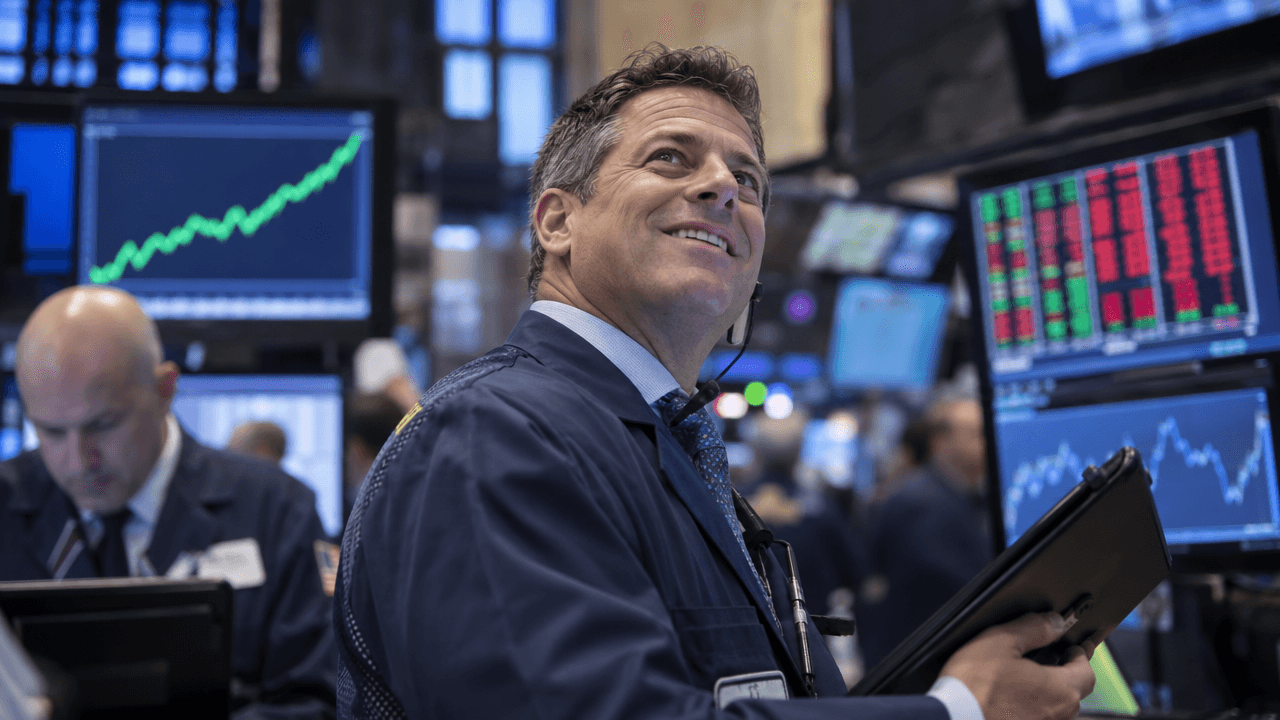
US stock futures are staging a swift rebound, with contracts tied to the S&P 500, Nasdaq 100, and Dow Jones Industrial Average up roughly 0.3% to 1% after Wednesday’s sharp losses[6][9][1]. The move suggests traders are reassessing the previous risk-off tone as pressure from surging oil prices and Treasury yields eases, and as markets digest the Federal Reserve’s evolving policy stance[4][6][15]. For active traders, days like this are a real-time lesson in how sentiment can flip quickly when macro narratives shift.
Market Drivers Behind The Rebound
Wednesday’s selloff did not occur in a vacuum. Equity weakness was closely linked to rising Treasury yields, themselves influenced by higher oil prices and a reassessment of inflation risks[4][6][15]. When bond yields spike, equity valuations come under pressure because future cash flows are discounted at a higher rate, particularly for growth and technology stocks. As yields stabilize and oil prices retreat from recent highs, that pressure on stock valuations moderates, creating room for a relief rally in futures[4][6][15].
At the same time, traders are parsing the latest signals from the Federal Reserve. A perceived shift toward a more data-dependent, cautious approach to rate cuts can initially unsettle markets that had been priced for a smoother path to easing. However, once the initial shock passes, investors often look past the headline volatility and recalibrate expectations, leading to renewed risk-taking. Today’s futures bounce reflects that recalibration: not a full-throated return to “easy money,” but a recognition that the prior day’s reaction may have overshot near-term fundamentals[6][9].
SHORT-COVERING OR REAL RISK APPETITE?
A key question whenever futures rebound after a sharp selloff is whether the move is driven mainly by short-covering or by fresh long positions. After a rapid drop, many short-term traders and systematic strategies may have built short exposure or hedges. When macro pressures (like oil and yields) ease, those positions can be unwound, forcing shorts to buy back futures and driving prices higher in the process[4][6]. That kind of mechanical buying can produce swift moves that feel strong but may not always signal durable conviction.
At the same time, price action itself influences behavior. Once futures recover a meaningful portion of the prior session’s losses, investors scanning for oversold opportunities begin to step in, particularly in quality names where the fundamental story remains intact. For example, recent rebounds have often seen large-cap technology, semiconductors, and cyclicals lead the way once the bond market calms[6][8][12]. This mix of short-covering plus selective dip-buying tends to characterize the early phase of a post-selloff recovery.
For traders, distinguishing between these drivers matters. A bounce dominated by short-covering may fade quickly if new buyers do not emerge. In contrast, a rally supported by improving macro conditions and strong participation across sectors has better odds of turning into a sustained trend. Watching breadth indicators (how many stocks are advancing), sector leadership, and volume can help clarify which kind of rebound is unfolding.
WHAT TODAY’S MOVE SIGNALS FOR ACTIVE TRADERS
From a trading perspective, a futures rebound after a single-session selloff is a classic test of discipline. Many strategies were caught leaning one way yesterday; today, the tape is moving the other way. Momentum traders may look for continuation if the cash session opens strong and breadth remains healthy, while mean-reversion traders might anticipate that the initial gap higher will consolidate as early optimism meets intraday profit-taking.
These conditions typically come with elevated intraday volatility. Spreads can widen at the open, and price swings may be larger as algorithms and human traders respond to headlines and fast-moving yields. This environment rewards traders who have clearly defined entry and exit criteria and who size positions conservatively relative to recent volatility.
Simulated finance platforms, such as E8 Markets, are particularly useful in these scenarios. They allow traders to practice executing gap-open strategies, fade setups, and breakout trades in a live market environment without capital at risk. Replaying days where futures reverse sharply after macro-driven selloffs helps traders refine their rules for when to trust a rebound and when to step aside.
Practical Takeaways For Risk Management
The latest futures bounce offers several practical lessons that traders can incorporate into their playbooks:
First, anchor decisions in macro context, not just price moves. Wednesday’s selloff was heavily influenced by the bond market and oil; today’s rebound is happening as those pressures ease[4][6][15]. Understanding that link can prevent overreaction to equity volatility in isolation.
Second, respect the possibility of both overshoot and snap-back. Markets often move too far, too quickly when narrative shocks hit, only to retrace as cooler heads prevail. Building scenarios for “oversold then rebound” and “overbought then pullback” helps traders anticipate, rather than chase, these swings.
Third, keep risk parameters adaptive. When realized volatility rises, it is wise to reduce position size, widen stops slightly to avoid noise, and focus on higher-quality setups. Simulated trading can be used to back-test how different risk rules would have performed in similar episodes, providing data-driven guidance for live decisions.
Finally, separate short-term trading views from longer-term investment theses. A one-day selloff followed by a futures rebound rarely changes the fundamental outlook for an index or sector on its own. Long-term investors can use these moves to re-evaluate entry points and portfolio balance, while short-term traders focus on execution and risk.
Looking Ahead: What To Watch Next
Whether today’s rebound in US stock futures evolves into a sustained recovery or remains a tradable counter-move will depend on how underlying drivers progress. Bond yields and oil prices remain the key immediate variables: continued stabilization would support equity valuations, while a renewed spike could quickly revive selling pressure[4][6][15]. Upcoming economic data and Fed communication will also shape expectations around the future path of rates and liquidity.
For traders using platforms like E8 Markets, the current environment is an opportunity to stress-test strategies across different regimes: risk-off days with rising yields, and risk-on sessions where those pressures ease. By logging trades, reviewing performance, and iterating on rules in a simulated setting, traders can build robust approaches that hold up when real capital is on the line.
Ultimately, the takeaway from today’s futures action is simple but important: markets are dynamic, and narratives evolve quickly. Staying flexible, informed, and grounded in risk management is more valuable than trying to predict every tick. The rebound after Wednesday’s selloff is a reminder that in modern markets, the next chapter can start just one trading session later.