
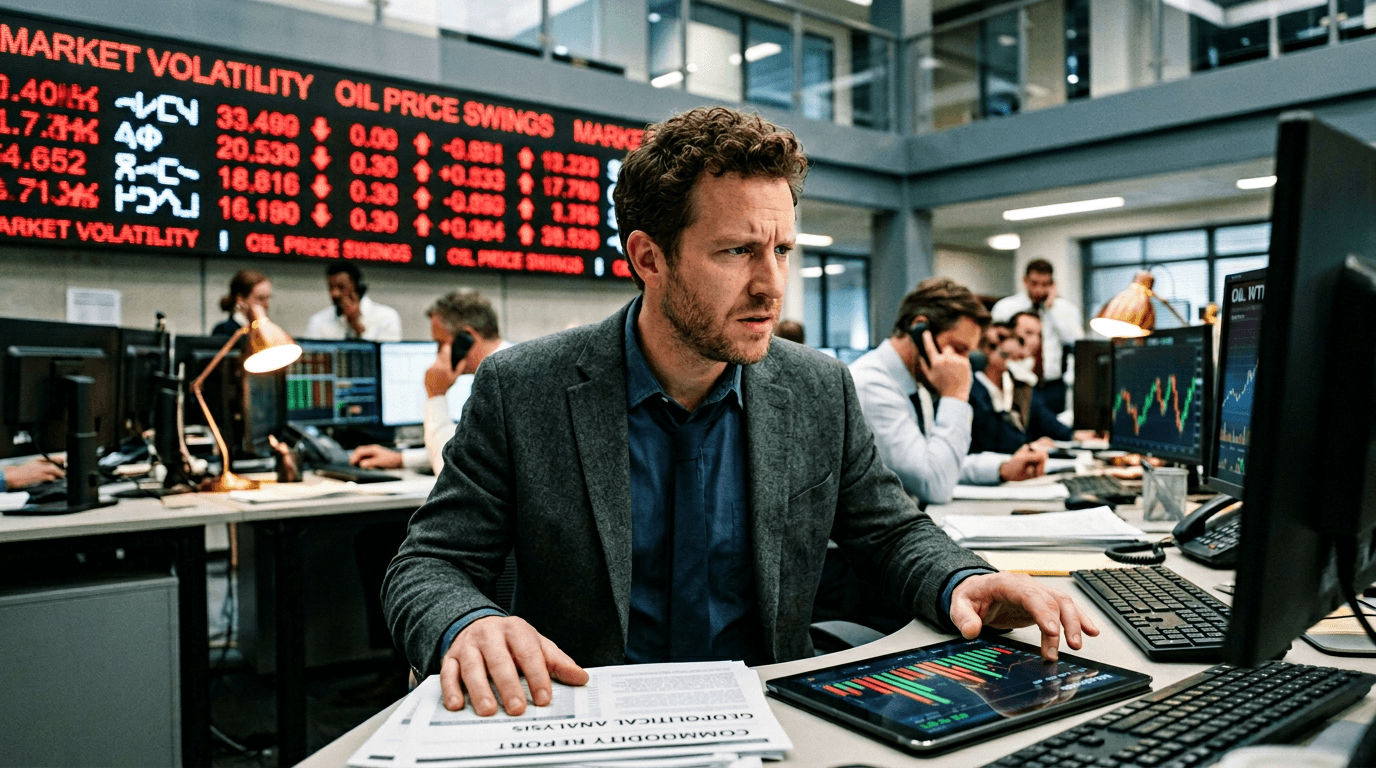
The initial optimism on Wall Street was short-lived as traders recalibrated their positions amid escalating geopolitical tensions and persistent tariff issues. After an impressive rally that saw the S&P 500 and NASDAQ each jump nearly 3% on news of potential diplomatic advancements, markets quickly reversed course, ending the day with the S&P 500 down 0.21%. This shift was mirrored by wild swings in crude oil prices, driven by fluctuating Middle Eastern tensions, underscoring the challenges investors face in navigating markets influenced by both headlines and fundamental uncertainties.
The volatility began with an announcement that initially buoyed investor spirits. Reports of a five-day pause in strikes on Iranian infrastructure spurred a rush into equities and energy markets, with the S&P 500 surging 240 points as traders moved to cover shorts and invest in undervalued sectors. However, the optimism faded rapidly when Iranian media refuted claims of ongoing negotiations with U.S. officials, leading to a market reversal that wiped out approximately $1 trillion in market value and left investors uncertain about future directions.
Geopolitical Risk And Market Psychology
Geopolitical tensions are now a hallmark of market dynamics, with energy infrastructure becoming a key volatility driver. The Middle East situation illustrates how quickly sentiment can change when diplomatic hopes are dashed by official denials. This creates a precarious environment for traders, especially those managing large positions that require precise timing and risk management.
The rapid information flow and market responses are particularly noteworthy. Within six minutes, the S&P 500 rallied 240 points; within 27 minutes, as Iran denied talks, the optimism began to dissipate. By 8:00 a.m., the index had fallen 120 points from its intraday highs. This scenario highlights the importance of quickly processing information and adjusting positions in an era of instantaneous communication.
Oil Volatility And Equity Market Pressure
Crude oil prices exhibited the extreme volatility that has become common in energy markets. Brent crude initially spiked 11% to $119.13 per barrel before retreating significantly, settling just 1.2% higher at $108.65, erasing most intraday gains. This volatility reflects the tension between geopolitical supply concerns and demand uncertainties amid a slowing economy.
The link between oil prices and equity performance is critical. Elevated crude prices, near or above $100 per barrel, maintain inflation concerns and increase the likelihood of aggressive central bank rate hikes. Each day oil trades at these high levels, the cost of capital rises and financial conditions tighten. Observers note increasing central bank liquidity usage, suggesting some institutions face funding pressure, necessitating emergency resources over traditional market financing.
Tariffs, Inflation, And Rate Hike Expectations
Today's volatility context extends beyond geopolitical concerns. The persistence of 10% tariffs on major trading partners, despite earlier optimism, suggests traders recognize a higher structural business cost. These tariffs exacerbate inflation pressures amid central bank concerns about elevated prices, creating a challenging environment with tightening financial conditions and market discomfort.
Inflation concerns and rate hike expectations are aggressively priced across markets as traders reassess the economic outlook. Safe haven demand is rising, signaling increased investor risk aversion. This defensive stance marks a shift from earlier risk-on sentiment, illustrating how quickly narratives change when geopolitical and economic factors converge.
Key Takeaways For Traders And Investors
For traders navigating these turbulent waters, several lessons are clear. First, expect continued intraday volatility as long as geopolitical risks and tariff uncertainties persist. Second, energy prices are now a primary driver not only for commodity portfolios but also for broader equity sentiment. Finally, the market's discomfort with current conditions suggests that only a significant decline in uncertainty and energy prices will provide sustained relief.
Market participants should monitor financial condition evolution closely. Increased central bank liquidity reliance indicates underlying stress. Position sizing, risk management, and quick adaptation to changing information are crucial skills as volatility persists. The environment rewards traders who process headlines without overreacting while maintaining disciplined exposure levels.
Conclusion
The sharp swing from gains to losses highlights a market struggling to find stability amid multifaceted concerns. Geopolitical tensions, high oil prices, persistent tariffs, and inflation fears create a complex backdrop where initial optimism quickly turns to caution. As traders look to the week ahead, the key question remains: will these headwinds dissipate, or will they continue to impact equity markets and broader financial conditions? For now, patience and disciplined risk management are the best strategies.