
Ai-stock Volatility Continues To Move Equity-index Futures
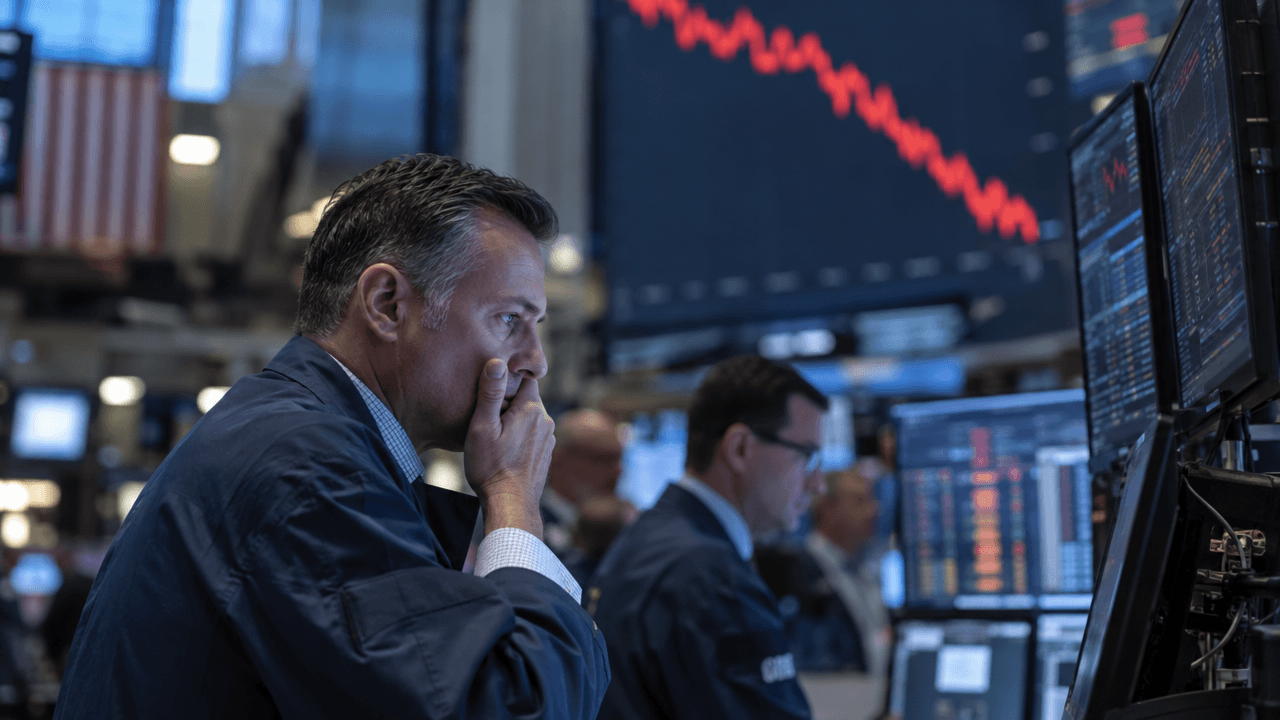
Equity-index futures are increasingly reacting to swings in artificial intelligence stocks, making the technology sector a central influence on global risk sentiment. Nasdaq futures recently fell more than 1% as investors reassessed the scale of AI spending, the pace of data-center construction and the possibility of tougher regulatory scrutiny following the U.S. midterm election results. The market reaction shows how quickly an industry narrative can spread from individual companies to broad equity benchmarks.
This is more than a routine pullback in high-growth stocks. AI-related companies have become a major part of the market’s capitalization, index weighting and earnings expectations. When investors question the durability of those expectations, futures markets can adjust before the cash session even opens.
Why Ai Stocks Are Driving Index Futures
The Nasdaq is particularly sensitive to AI-stock volatility because many of its largest constituents are involved in semiconductors, cloud computing, software, data centers and advanced technology infrastructure. These companies have benefited from expectations that artificial intelligence will generate years of strong revenue growth.
However, that optimism has also created elevated valuations and demanding expectations. Investors are no longer asking only whether AI adoption will expand. They are asking whether corporate earnings will grow quickly enough to justify the billions of dollars being invested in computing capacity, electricity infrastructure and data-center construction.
The scale of the trade explains why an AI selloff can affect the entire market. In one recent session, the Nasdaq suffered its deepest one-day decline in 19 months, while approximately $2.5 trillion was erased from its market value. The Cboe Volatility Index also jumped sharply, showing that the shock extended beyond technology shares and affected broader expectations for market risk. [2][3][4]
The Political And Regulatory Dimension
The U.S. midterm election result introduced another layer of uncertainty. Investors are considering whether a changed political environment could lead to stricter oversight of AI companies, greater antitrust scrutiny, tougher safety requirements or new limits on data-center development.
The concern is not limited to federal policy. Local communities and state governments are increasingly debating the effects of large data centers, including electricity demand, water usage, land requirements, noise and pressure on power grids. Reports indicate that voters approved at least 44 of 47 data-center-related measures proposed across the country, although some measures remained pending. [9]
For investors, regulation matters because it can affect both the timing and profitability of new projects. A delay in permits, changes to tax incentives or restrictions on construction could reduce expected revenue for chipmakers, equipment suppliers, utilities and technology companies. It could also increase the cost of meeting demand for AI computing.
That does not necessarily mean AI development will stop. It means the market may begin assigning different values to companies based on their ability to operate within a more complex regulatory and infrastructure environment.
The Spending Question
The most important fundamental issue is whether AI investment will produce sufficient returns. Technology companies have committed enormous sums to processors, servers, cloud capacity and data centers. Goldman Sachs estimates that AI-related capital spending could reach approximately $7.6 trillion between 2026 and 2031 across computing, data centers and power. [11]
Such spending can support long-term productivity and create new business opportunities. But it also raises a short-term financial question: how long will investors tolerate heavy capital expenditure before demanding stronger cash flow and clearer profits?
When expectations are extremely high, even positive earnings can disappoint if growth is slower than anticipated. A company may report rising revenue while still facing pressure because investors expected an even larger increase. This creates a fragile market environment in which guidance, capital-expenditure plans and management commentary can move futures sharply.
What Traders Should Watch
Traders should monitor several signals rather than treating every futures move as an isolated event.
First, follow semiconductor and cloud-company earnings guidance. Comments about chip demand, order backlogs, margins and capital expenditure can influence the entire technology complex.
Second, watch the relationship between Nasdaq futures and broader contracts such as the S&P 500 and Dow futures. If technology weakness remains concentrated, the broader market may absorb the move. If selling spreads to financials, industrials and consumer companies, the risk may be shifting from a sector correction to a wider risk-off event.
Third, track interest rates and economic data. Growth stocks are particularly sensitive to borrowing costs because much of their valuation depends on future earnings. A rise in Treasury yields can intensify pressure on expensive technology shares, even without new negative news.
Finally, pay attention to volatility itself. Large overnight futures gaps can reverse when the cash market opens. Traders should avoid assuming that a lower futures price guarantees a lower close.
Practical Takeaways For Simfi Traders
For SimFi traders, this environment is a useful test of risk management rather than a reason to chase momentum.
Use smaller position sizes when index futures are moving rapidly. Volatility can turn a reasonable trade into an outsized loss within minutes, especially around election developments, earnings announcements and economic releases.
Define entry, exit and invalidation levels before opening a position. A written plan helps prevent emotional decisions when headlines create sudden price swings.
Consider scenario planning. One scenario may involve continued AI spending and a rebound in technology shares. Another may involve delayed data-center projects and further valuation compression. A third may feature sector rotation, with capital moving from high-growth technology into defensive or value-oriented industries.
Most importantly, distinguish between a short-term price reaction and a lasting change in fundamentals. Election results and regulatory headlines can move markets immediately, but the long-term direction of AI investment will depend on earnings, productivity gains, infrastructure availability and customer demand.
Conclusion
AI-stock volatility is now powerful enough to move equity-index futures across global markets. The latest decline reflects a combination of stretched expectations, uncertainty over AI spending returns, data-center opposition and possible regulatory change.
For traders, the central lesson is that technology risk has become market risk. Monitoring only individual AI stocks is no longer sufficient; market participants must also track rates, volatility, policy developments and the behavior of major indexes.
In a fast-moving SimFi environment, disciplined preparation is more valuable than confident prediction. The traders best positioned for the next move will be those who manage exposure carefully, test multiple scenarios and let price action confirm the thesis before increasing risk.