
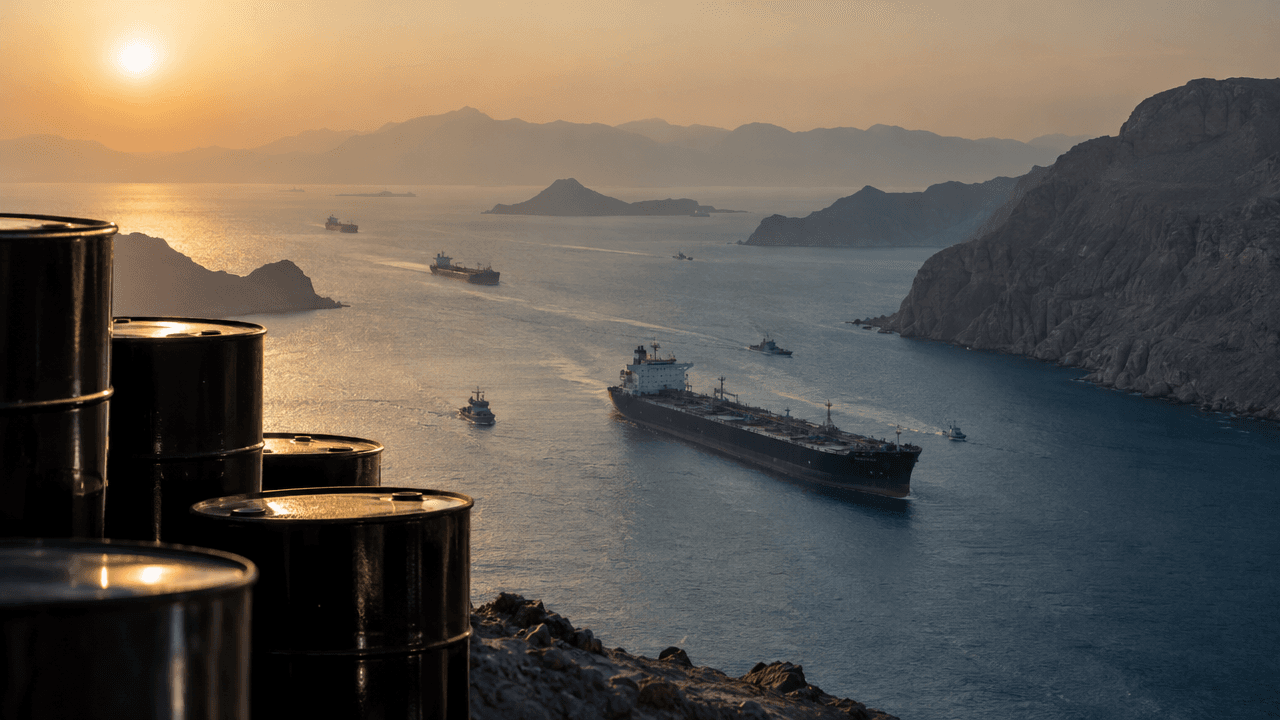
Energy markets are sending a mixed message: oil prices have faced downward pressure from expectations of abundant supply, yet geopolitical and shipping risks continue to create the potential for sudden and severe price moves. That tension is especially visible around the Strait of Hormuz, where any disruption to tanker traffic could quickly affect crude oil, liquefied natural gas, inflation expectations, interest-rate outlooks, and currencies tied to energy exports.
Recent reports illustrate the uncertainty. Oil prices moved toward three-month lows as traders focused on rising supply and the possibility of a market surplus, even while risks to shipping through Hormuz remained unresolved. [5] The following day, renewed reports of attacks and mine-related incidents pushed crude prices higher as investors reassessed the likelihood of supply interruptions. [4]
For traders, the lesson is important: energy markets do not respond only to actual shortages. They also price the probability of future disruption.
Why The Strait Of Hormuz Matters
The Strait of Hormuz is one of the world’s most important energy chokepoints. It connects the Persian Gulf with the Gulf of Oman and the wider global shipping network. A substantial share of crude oil, condensate, and LNG travels through this narrow passage.
The U.S. Energy Information Administration estimates that 84% of crude oil and condensate and 83% of LNG passing through Hormuz went to Asian markets in 2024. [2] This makes countries such as China, India, Japan, and South Korea particularly exposed to any sustained interruption.
The risk is not limited to a complete closure. Delays, insurance restrictions, rerouted vessels, slower transit, or threats against commercial ships can all raise the cost of moving energy. A tanker operator may demand a higher freight rate to compensate for security concerns. An insurer may increase premiums or limit coverage. Some shipping companies may avoid the route altogether.
Even when physical supply remains available, these logistical complications can create a risk premium in futures markets. Traders may bid up near-term contracts because replacing delayed barrels is more difficult and expensive.
Why Oil Prices Can Move In Both Directions
The current market demonstrates why geopolitical analysis cannot be separated from supply-and-demand fundamentals. On one side, rising production, comfortable inventories, or expectations of a surplus can weigh on prices. On the other, attacks on shipping or uncertainty around Hormuz can create a sharp upward shock.
This creates a market that can appear contradictory. Oil may fall despite a dangerous headline if traders believe supply will remain available. It may then rebound quickly when a new incident raises doubts about tanker traffic or regional production.
Recent reporting described oil falling more than 1% as the prospect of a market surplus offset fears about Middle Eastern shipping disruptions. [6] That does not mean geopolitical risk has disappeared. It means traders are balancing two competing forces: the probability of weaker prices from excess supply and the possibility of a sudden supply interruption.
For market participants, this makes headline-driven trading especially dangerous. A single report may cause an immediate spike, but prices can reverse if vessels continue moving, alternative suppliers step in, or strategic reserves help stabilize availability.
The Inflation And Currency Channel
Higher energy prices can spread through the economy in several ways. The most direct effect is an increase in fuel and utility costs for households and businesses. Transportation becomes more expensive, and companies may pass higher input costs to consumers.
Energy also influences inflation expectations. If traders and consumers believe elevated oil prices will persist, they may anticipate broader price increases. That can affect bond yields and interest-rate expectations. Policymakers may face a difficult choice: respond to inflation pressure with tighter policy or avoid worsening the impact on economic growth.
Shipping costs can amplify this effect. A disruption does not need to remove all oil from the market to become economically meaningful. Higher freight rates, insurance costs, and longer routes can raise the delivered price of energy and other goods.
Currencies can react as well. Energy-exporting countries may benefit from higher commodity revenues, potentially supporting their currencies. Importers may face a less favorable trade balance, which can weigh on their currencies. However, the response is not automatic. Political stability, interest-rate differentials, fiscal policy, and investor risk appetite can all influence whether an energy shock strengthens or weakens a currency.
What Traders Should Watch
The first signal is the condition of physical shipping. Traders should monitor vessel traffic, reports from maritime authorities, insurance developments, and evidence of rerouting. The U.S. Energy Information Administration notes that even a temporary blockage of a major chokepoint can create supply delays, increase shipping costs, and lift global energy prices. [1]
The second signal is the spread between nearby and later-dated oil contracts. A stronger premium in near-term contracts can indicate that traders are placing greater value on immediate supply. Conversely, a market in contango may suggest that current supply is relatively comfortable and that concerns are concentrated further into the future.
The third signal is the relationship between oil, inflation-linked bonds, interest rates, and energy-sensitive currencies. If oil rises while inflation expectations and bond yields increase, markets may be pricing a broader macroeconomic shock rather than a temporary commodity move.
Finally, traders should avoid relying on a single headline. The most useful approach is to compare geopolitical developments with inventory data, production estimates, refinery activity, tanker flows, and demand expectations.
Conclusion
Energy markets remain sensitive to geopolitical and shipping risks because the global system depends on a small number of critical transportation routes. Hormuz-related uncertainty can influence prices even when the physical supply impact is still unclear.
The current environment rewards preparation rather than prediction. Traders who track both immediate headlines and underlying market structure are better positioned to distinguish a temporary risk premium from a lasting supply shock. For investors and businesses, the broader takeaway is equally important: energy security is not only about how much oil and gas the world produces, but also whether those supplies can move safely, reliably, and affordably across borders.