
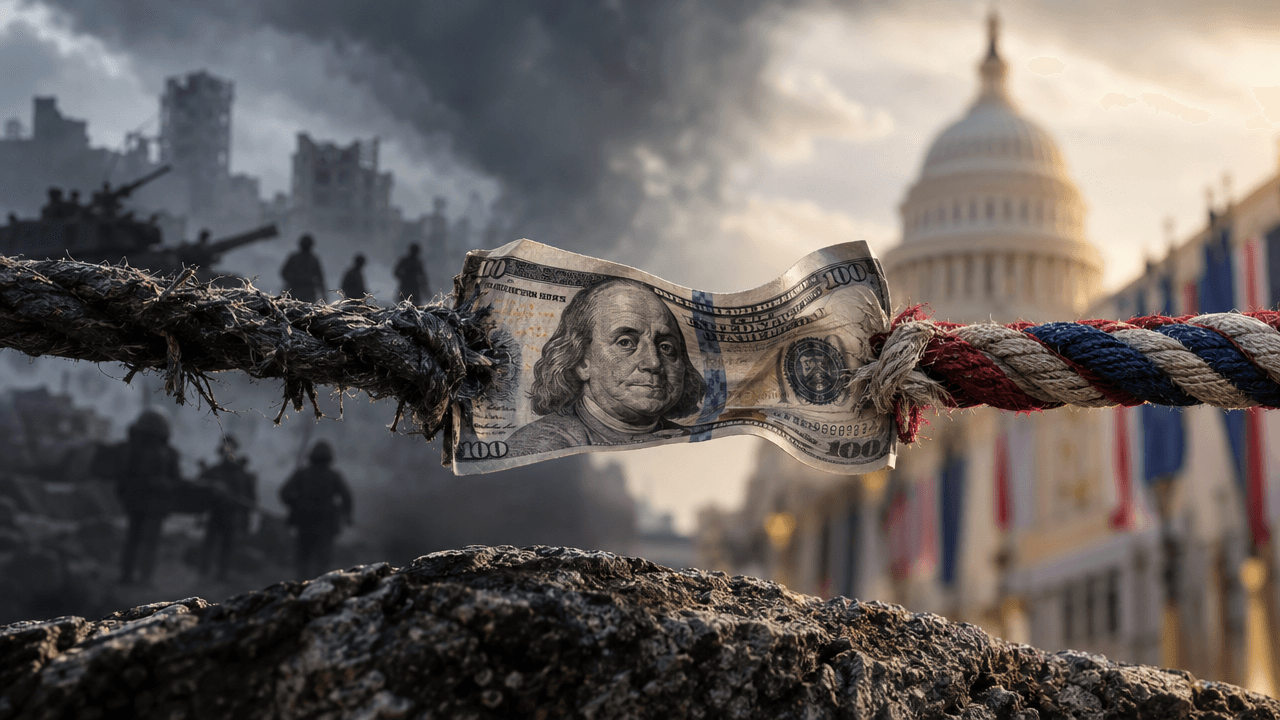
The U.S. dollar is entering November on the defensive as two powerful sources of uncertainty collide: escalating concerns surrounding the Middle East and political risk ahead of the U.S. midterm elections. The result is a market caught between caution and optimism. Traders are reducing some dollar positions as hopes for diplomatic progress between the United States and Iran improve, while lingering geopolitical and political risks continue to support the currency as a safe haven. [1]
The dollar index recently fell to around 101.42, its lowest level since late September, before stabilizing near 101.7–101.8. Oil prices also dropped sharply as markets assessed the possibility of reduced disruption to Middle Eastern energy supplies. These moves show how quickly foreign-exchange markets can shift when traders reprice both geopolitical risk and the potential economic consequences of a conflict. [3]
Why The Dollar Is Losing Momentum
A currency’s value reflects more than interest rates. It also responds to investor confidence, capital flows, commodity prices, and expectations about future economic policy.
In this case, the dollar has faced pressure from falling Treasury yields and declining oil prices. Lower yields can reduce the attractiveness of dollar-denominated assets, especially when traders believe the Federal Reserve may have less reason to maintain restrictive policy. At the same time, cheaper oil can ease inflation concerns, potentially reducing expectations for higher interest rates.
The latest weakness has also been linked to a reduction in defensive dollar buying. Reports of continuing diplomatic contacts between Iranian and Qatari officials have encouraged traders to consider a less disruptive outcome in the Middle East. Brent crude fell more than 7% in one session as hopes for progress increased. [1]
However, this is not a straightforward bearish signal for the dollar. If negotiations fail or military tensions intensify, demand for U.S. currency could quickly return. The dollar remains one of the world’s most liquid safe-haven assets, particularly during periods of sharp market stress.
Middle East Risk And The Safe-haven Paradox
Geopolitical tension can affect the dollar through several competing channels.
Initially, a conflict often strengthens the currency because investors seek liquidity and safety. U.S. Treasury securities and the dollar remain central to the global financial system, so international investors frequently move funds into dollar assets when risk appetite deteriorates.
But prolonged conflict can produce the opposite effect if it raises concerns about inflation, economic growth, and U.S. fiscal policy. A sustained jump in oil prices would increase transportation and production costs, potentially keeping inflation elevated while weakening consumer demand. That combination could complicate the Federal Reserve’s decisions and weigh on both equities and bonds.
The market is therefore watching the Middle East not only for military developments, but also for its effects on energy prices, inflation expectations, and interest-rate forecasts. Recent reports suggest that diplomatic optimism has reduced some safe-haven demand, although renewed military action could reverse that trend quickly. [6]
Midterm Elections Add A Political Risk Premium
The U.S. midterm elections are another major source of uncertainty. Elections can influence markets through expected changes in taxation, government spending, regulation, trade policy, and the balance of power in Washington.
For currency traders, the key issue is often not the result alone but whether the outcome creates political stability or gridlock. A divided government may limit major legislative changes, which can reassure some investors. In other circumstances, however, prolonged uncertainty may encourage traders to reduce exposure to U.S. assets.
Market positioning is especially important around major political events. Investors who accumulated long-dollar positions as protection against geopolitical stress may choose to unwind them before the vote. That kind of precautionary repositioning can push the dollar lower even without a major change in economic fundamentals. [7]
At the same time, election-related uncertainty can support the dollar if it triggers broader risk aversion. This explains the currency’s mixed performance: the same event can generate selling pressure through political uncertainty while also attracting safe-haven demand through market anxiety.
What Traders Should Watch Next
The most important indicators will be those that connect politics and geopolitics to monetary policy.
First, traders should monitor oil prices. A sustained decline would reduce inflation concerns and potentially weaken the dollar’s yield advantage. A sudden rally caused by renewed conflict could have the opposite effect by increasing demand for safety and raising expectations for persistent inflation.
Second, Treasury yields and Federal Reserve expectations will remain critical. If markets anticipate stronger U.S. growth or higher-for-longer interest rates, the dollar could recover. If yields fall because investors expect weaker growth or easier policy, dollar rallies may struggle to last.
Third, traders should watch equity-market breadth and volatility. Weak equities, widening credit spreads, and rising volatility would typically favor the dollar’s defensive role. A broad recovery in risk-sensitive assets could encourage capital to move toward currencies such as the Australian dollar and other growth-linked markets.
For SimFi traders, this environment is a useful reminder to manage exposure around event risk. Avoid concentrating a position immediately before election results or major geopolitical headlines. Define risk before entering a trade, consider smaller position sizes, and prepare for sharp reversals rather than assuming that an initial move will continue.
The Bigger Market Lesson
The dollar’s current weakness is best understood as a tug-of-war between declining safe-haven demand and persistent uncertainty. Diplomatic optimism and lower oil prices are reducing some support for the currency, while Middle East tensions, political risk, and concerns about market stability are preventing a decisive breakdown.
This is a market driven by changing expectations rather than a single economic release. Traders who focus only on the direction of the dollar may miss the more important relationships between oil, Treasury yields, equities, and geopolitical headlines.
For now, the dollar is vulnerable when risk sentiment improves and diplomatic hopes strengthen. Yet it can regain momentum rapidly if negotiations fail, conflict escalates, or markets turn sharply defensive. The most effective approach is to track the underlying drivers, remain flexible, and treat volatility as a risk-management challenge rather than a guaranteed opportunity.