
1. PLAIN TEXT format (no markdown, no HTML) 2. Start DIRECTLY with first paragraph - NO preamble 3. ALL CAPS for section headings on their own line 4. Paragraphs separated by blank lines 5. 3-5 main sections with clear takeaways 6. Engaging and educational content 7. ~800 words 8. At the END: TITLE, EXCERPT, NEWSIMPACTSCORE (separate lines)
The search results show: - S&P 500 and Nasdaq hit record highs (April 16, 2026) - Iran peace talks resuming in Pakistan - U.S. crude dropped to around $94 - Treasury yields fell - Strong performance in tech stocks (Intel up 23%, semiconductor index up) - Asian markets also rising - Oil prices dropped below $100 - Markets quickly pricing in peace optimism - Ceasefire between Lebanon and Israel
I need to: - NOT include markdown formatting - Use plain text only - Start with the article immediately - Use section headings in ALL CAPS on their own lines - Create 3-5 sections - Include practical takeaways - End with title, excerpt, and score
Let me structure this with sections about: 1. The Rally and Context 2. What's Driving the Gains 3. Sector Performance and Implications 4. Risk Considerations 5. What Investors Should Watch
Let me write this in plain text format.
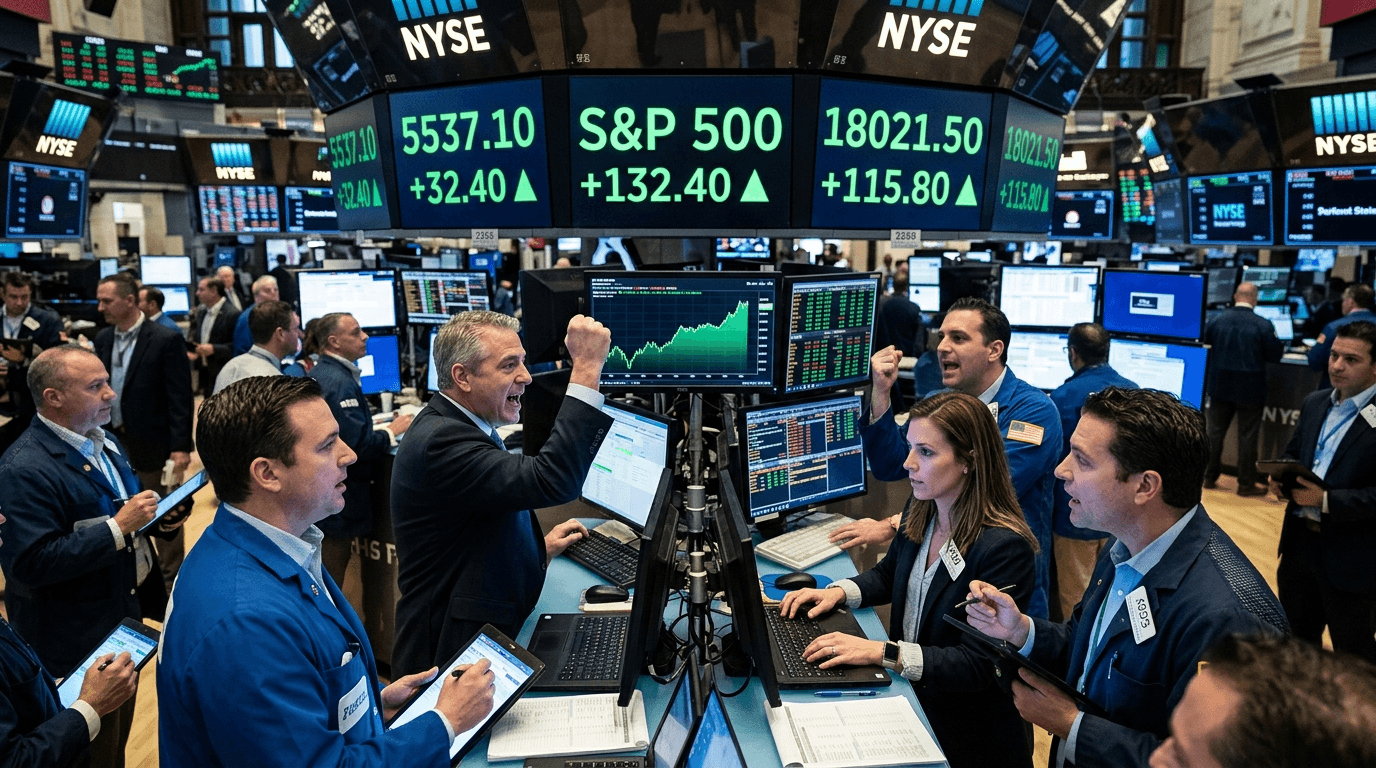
Global equity markets are experiencing a remarkable surge as investors increasingly price in the possibility of a near-term resolution to the Middle East conflict. The S&P 500 and Nasdaq Composite have soared to all-time highs in mid-April 2026, driven by growing optimism around potential peace negotiations between the United States and Iran.[1][2] This rally represents a dramatic reversal from the losses that plagued markets just weeks earlier, showcasing how quickly sentiment can shift when geopolitical tensions show signs of easing.
The backdrop for this optimism is significant. After a brutal March characterized by four consecutive weeks of losses, equity markets have regained their footing with remarkable velocity. The S&P 500 has now posted gains every single week in April, marking a complete turnaround in investor psychology.[2] This recovery is particularly striking given the severity of the Middle East conflict that erupted at the end of February. Most Asian stock markets have now returned to levels seen before the war began, reflecting how thoroughly markets are discounting peace prospects.
Geopolitical Catalyst For The Rally
The primary driver of the market surge is the resumption of peace negotiations between the U.S. and Iran. President Donald Trump announced that two envoys would travel to Pakistan for talks with Iranian officials, while a ten-day ceasefire between Lebanon and Israel went into effect on Thursday, April 16.[2][3] Trump also indicated that the next U.S.-Iran meeting might occur over the weekend as their existing ceasefire was due to expire. These concrete steps toward dialogue have fundamentally altered market expectations from conflict escalation to peaceful resolution.
What makes this market reaction noteworthy is the speed at which investors are willing to look past ongoing Middle East tensions. The Strait of Hormuz remains closed, typically restricting a fifth of the world's oil and gas supply from flowing through this critical chokepoint.[3] Yet market participants are clearly betting on a near-term resolution that would reopen these vital shipping lanes and normalize energy flows. This risk-on sentiment has created a powerful tailwind for equities across multiple regions and sectors.
Record Highs Across Key Indices
The numerical gains tell a compelling story. The S&P 500 rose approximately 0.8 percent to reach yet another record high, while the Nasdaq Composite jumped about 1.6 percent and the Nasdaq 100 surged 1.9 percent to record levels.[2] The Philadelphia Semiconductor Index also hit fresh highs, outperforming the broader market. The Russell 2000 finished in positive territory, though the Dow Jones Industrial Average lagged somewhat on the day.
Asian equities joined the party with conviction. Japan's Nikkei initially fell 0.9 percent in early trading after hitting record highs on Thursday, but broader Asian indices remained resilient. MSCI's broadest index of Asia-Pacific shares outside Japan stayed close to its highest levels since the Iran war erupted, up 14.5 percent for April after dropping 13.5 percent in March.[3] This synchronized global rally demonstrates how thoroughly investors are repricing risk across all major markets.
Technology Stocks Lead The Charge
Semiconductor and technology stocks have been the standout performers during this rally. Intel skyrocketed 23 percent, while ARM Holdings, Rambus, AMD, and Qualcomm all gained between 11 and 15 percent.[2] The Philadelphia Semiconductor Index has had an exceptional run, posting an 18-day winning streak that represents the longest streak since the index was formed in 1994. Prior to this run, the longest streak was only nine days, so current performance represents roughly double the historical average.
This technology outperformance reflects more than just peace optimism. Strong U.S. bank earnings and solid corporate fundamentals have provided genuine underpinning for the rally beyond pure geopolitical relief.[2] As one market analyst noted, equities are benefiting from both the removal of Middle East risk premium and the actual strength of earnings in the technology sector.
Energy And Fixed Income Adjustments
Crude oil prices have plummeted alongside the equity surge. U.S. West Texas Intermediate crude fell 1.6 percent to $93.15 a barrel, while Brent crude futures dropped more than 1 percent to $98.14 a barrel.[3] This represents a normalization away from the elevated energy prices that plagued markets during the height of Middle East tensions. Treasury yields have also fallen significantly, and traders are now boosting bets on potential interest-rate cuts.[2] The Justice Department's decision regarding Federal Reserve Chair Jerome Powell has further supported fixed income markets, clearing the path toward Kevin Warsh's confirmation as the next Fed leader.
Critical Considerations For Investors
While the optimism is palpable, seasoned market observers urge caution. As one chief market strategist noted, "Equity markets are remaining positive and some solid U.S. earnings have helped, but we need to see some concrete evidence that peace is going to last."[3] Markets have priced in extraordinary gains based on peace hopes, meaning any unexpected deterioration in negotiations could trigger sharp reversals.
Investors should monitor several key indicators going forward. Watch for concrete progress in U.S.-Iran negotiations and whether the Strait of Hormuz actually reopens. Track energy prices for signs of sustained normalization rather than temporary relief rallies. Assess whether strong corporate earnings can sustain equity valuations now priced for peace. The coming weeks will be decisive in determining whether this rally represents a durable market bottom or a temporary relief bounce vulnerable to disappointment.
---