
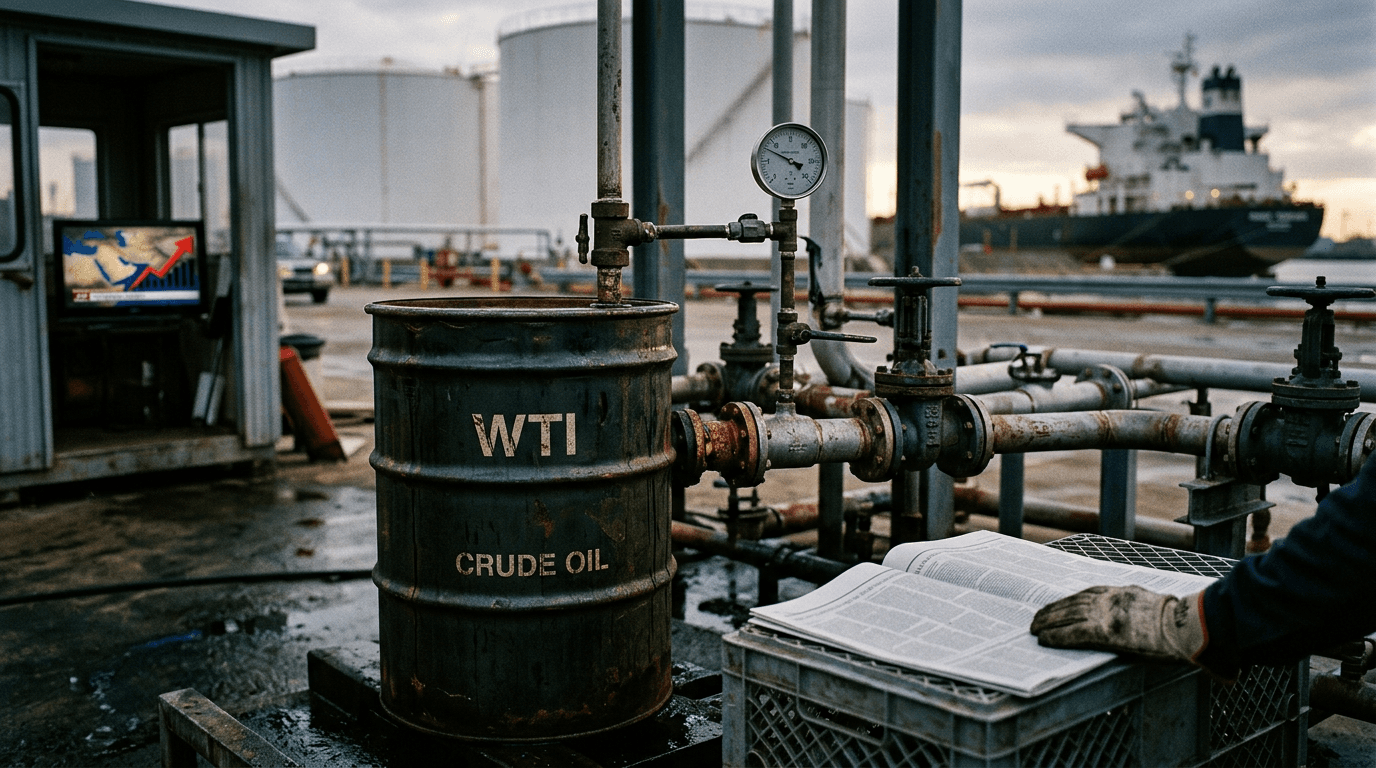
WTI crude oil has surged to its highest levels in six months, driven by escalating Middle East tensions that are reshaping energy market dynamics and creating significant trading opportunities. As geopolitical risks intensify, traders are closely monitoring supply disruption scenarios that could fundamentally alter global oil prices. Understanding the drivers behind this move is essential for anyone looking to navigate the current market environment effectively.
The Geopolitical Catalyst
Recent developments in the Middle East have created unprecedented uncertainty in global energy markets. Qatar's energy minister recently made headlines by telling the Financial Times that the ongoing regional conflict could "bring down the economies of the world," and predicted that all Gulf energy exporters would shut down production within weeks, with crude potentially reaching $150 a barrel.[1] These statements alone have sent shockwaves through trading floors worldwide, forcing market participants to reassess supply risk premiums embedded in current prices.
Adding to this volatility, comments from President Trump on Friday indicated that the United States doesn't want to negotiate an end to the war with Iran, stating that "there will be no deal with Iran except unconditional surrender" according to reports.[1] This hardline stance has eliminated speculation about a near-term diplomatic resolution, further elevating the risk premium that traders are pricing into crude contracts. When geopolitical risks combine with potential supply shutdowns, the market responds with aggressive buying.
Breaking Through The 6-month Resistance
The latest price action has been impressive by any measure. WTI crude oil has risen approximately 12% in recent trading sessions, with March 2026 futures reaching prices around $74.56 on March 3, 2026, according to historical price data.[6] This represents a break above the 6-month high of $68.98, which had been established in June 2025.[1] The surge reflects a fundamental shift in market sentiment regarding supply adequacy over the coming months.
The acceleration in crude prices has been particularly pronounced on days when new geopolitical headlines emerge. Volume has remained healthy, with open interest indicating strong participation across both long and short positions. This robust trading activity suggests that institutional investors, hedgers, and speculators all recognize the significance of current developments. When major players increase position sizes in response to genuine risk factors, prices tend to move decisively.
Related Commodity Complexes Respond
Oil's rise hasn't occurred in isolation. Related energy commodities have also posted significant gains, reflecting the broader risk-on sentiment in energy markets. For instance, gasoline futures (represented by contracts like RBJ26) have climbed 2.83%, while heating oil has moved modestly higher.[1] The crude oil futures contract for April 2026 (CLJ26) surged 12.21% in recent trading, indicating that markets are pricing in sustained elevated prices across the energy complex.[1]
This broad-based rally across energy commodities reinforces the narrative that traders believe supply risks are genuine and could persist for multiple months. When investors are willing to pay higher prices for future delivery across all forward contracts, it signals confidence in the staying power of supply concerns.
Implications For Traders And Investors
For traders on platforms like E8 Markets, this environment presents both opportunity and risk. The current price action demonstrates how external shocks can create significant intra-day and inter-day volatility. Positions taken before geopolitical headlines can see dramatic swings within hours. Conversely, traders who successfully anticipate these moves can capture substantial gains.
The key consideration is whether current prices already reflect the full magnitude of supply disruption risks or whether additional upside remains if geopolitical tensions escalate further. Prediction markets suggest meaningful uncertainty about whether WTI will exceed $70 by the end of March 2026, indicating that traders hold varied views on near-term direction despite the already significant rally.[2] This disagreement among market participants creates trading opportunities for those with strong conviction and risk management discipline.
Forward Outlook
Looking at the broader picture, WTI has gained approximately 13% over the past three months and 12% over the past month, reflecting the acceleration of geopolitical concerns into market pricing.[1] The question now becomes whether prices will consolidate at current levels or whether further escalation could push crude toward the $100+ range that some observers have suggested.
Historical precedent shows that energy markets can move dramatically when supply disruption risks are perceived as immediate and severe. Traders should monitor headlines closely and maintain awareness of how global responses to Middle East developments could trigger additional volatility. Position sizing and stop-loss discipline become critical in environments where external catalysts can shift sentiment rapidly.
The current market environment underscores a fundamental principle in trading: geopolitical events create price discovery processes that benefit informed participants. Understanding the supply chain vulnerabilities in global energy markets and tracking policy responses from major consuming nations will be essential for navigating the weeks ahead. Whether you're bullish or bearish on crude, the volatility created by these tensions offers opportunities for disciplined traders who respect risk management principles.