
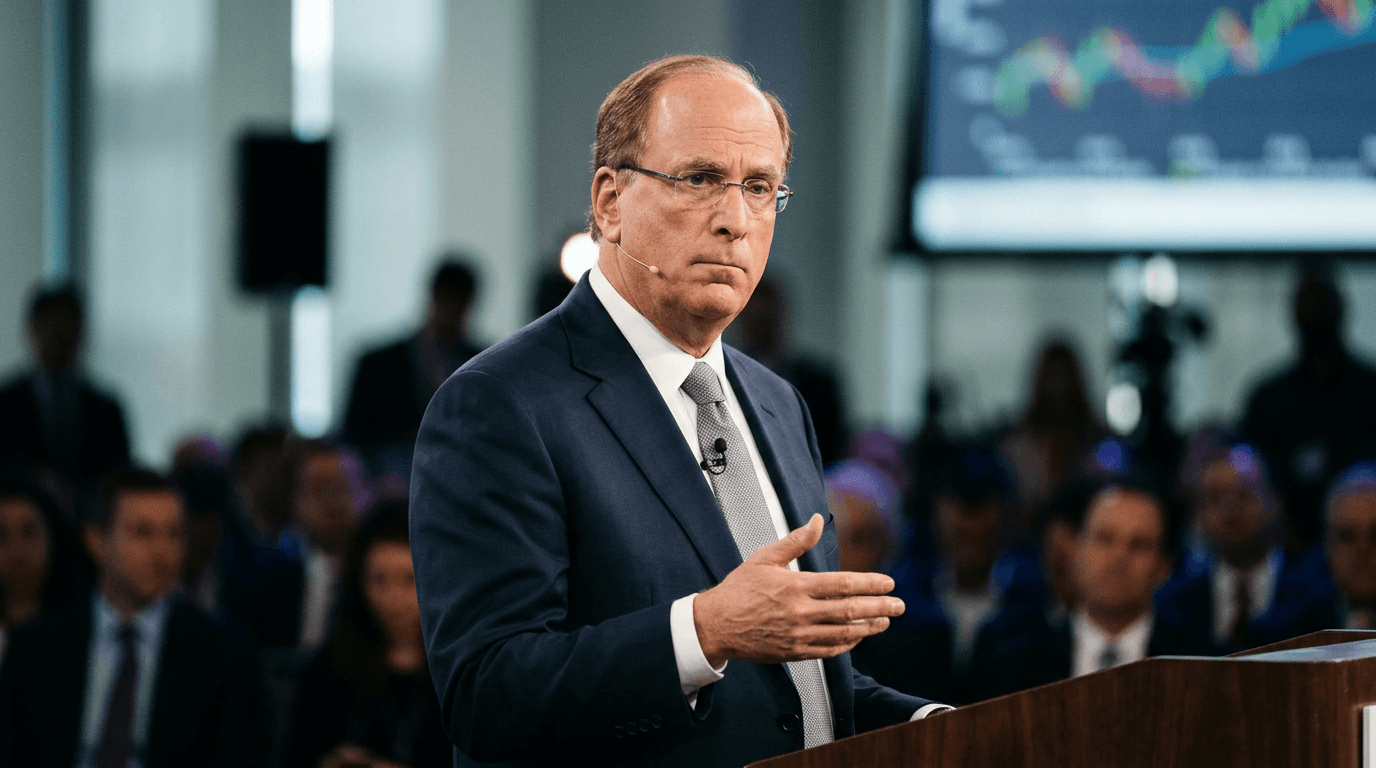
BlackRock CEO Larry Fink has sounded the alarm on the potential for a global recession, primarily due to escalating geopolitical tensions in the Middle East and the resultant disruptions to global energy markets. As the chairman and chief executive of the world's largest asset manager, overseeing over $14 trillion in assets, Fink's warnings hold substantial weight in financial markets, demanding careful consideration from investors, traders, and policymakers. His analysis highlights specific economic pressure points that could destabilize the global economy if the current situation further deteriorates.
The Geopolitical Powder Keg
The conflict involving Iran, Israel, and the United States has intensified dramatically in recent weeks, with coordinated military strikes, retaliatory attacks, and the rapid mobilization of forces creating an increasingly precarious situation. The United States has deployed over 4,000 Marines to the region, with further troop movements under consideration. This conflict's economic significance lies not just in the military actions but in its proximity to critical global energy infrastructure and trade routes that underpin international commerce. Fink emphasized that if this conflict continues and escalates, rather than moving toward resolution, the economic repercussions could extend far beyond the Middle East, affecting the core systems that drive developed and developing economies. The uncertainty surrounding potential outcomes compounds the risk, as markets must account for scenarios ranging from swift diplomatic resolution to prolonged military confrontation.
The Oil Price Tipping Point
Central to Fink's recession warning is the potential surge in crude oil prices. He specifically warned that if oil prices reach $150 per barrel, the global economy could enter a severe recession. This is not mere speculation. Currently, oil markets are experiencing significant volatility due to both military developments and diplomatic signals from the region. The primary concern centers on the Strait of Hormuz, a narrow waterway through which approximately one-fifth of the world's gas and crude supply typically flows. Recent conflict-related disruptions have nearly halted normal shipments through this critical chokepoint. The International Energy Agency, a globally recognized authority on energy markets, has described the current situation as the largest supply disruption in the history of the global oil market. This language underscores the genuine and unprecedented economic risk facing the world.
Recession Scenarios And Timelines
Fink's analysis outlines multiple pathways to recession, each with different timeframes and severity levels. If military conflict persists for about a year, energy prices will likely rise significantly, pushing the global economy into recession. However, his analysis extends beyond mere conflict duration. Even if fighting ceases, markets could remain under substantial pressure if Iran continues to threaten regional trade and stability, especially around the Strait of Hormuz. In this scenario, crude prices could stay elevated between $100 and $150 per barrel for years, creating what Fink described as a "stark and steep recession." This distinction is crucial because it suggests that a ceasefire alone may not quickly restore economic normalcy if strategic tensions persist.
The Unequal Burden On Consumers
Increases in energy prices have disparate impacts across different population segments and national economies. Rising energy costs act as a regressive tax, disproportionately burdening lower-income households and nations reliant on energy imports. Fink highlighted that this inequality poses serious implications for economic stability and social cohesion. The United Kingdom, which imports substantial energy quantities, will likely face significant pressure on household bills and consumer spending as oil and gas costs rise. This cascading effect reduces purchasing power, pressures profit margins across industries, and creates broader economic contraction.
Market Implications For Traders And Investors
Understanding these warnings is essential for constructing resilient investment strategies. The threat of elevated energy prices combines with existing interest rate pressures to create a challenging macroeconomic environment. Portfolio positioning must account for potential recession scenarios, particularly in sectors most vulnerable to energy cost shocks. The convergence of geopolitical risk, supply chain disruption, and inflation concerns creates multiple simultaneous pressure points on global markets.
Fink's warnings represent serious economic risk factors that merit close monitoring and strategic consideration from all market participants navigating an increasingly complex geopolitical and economic landscape.