
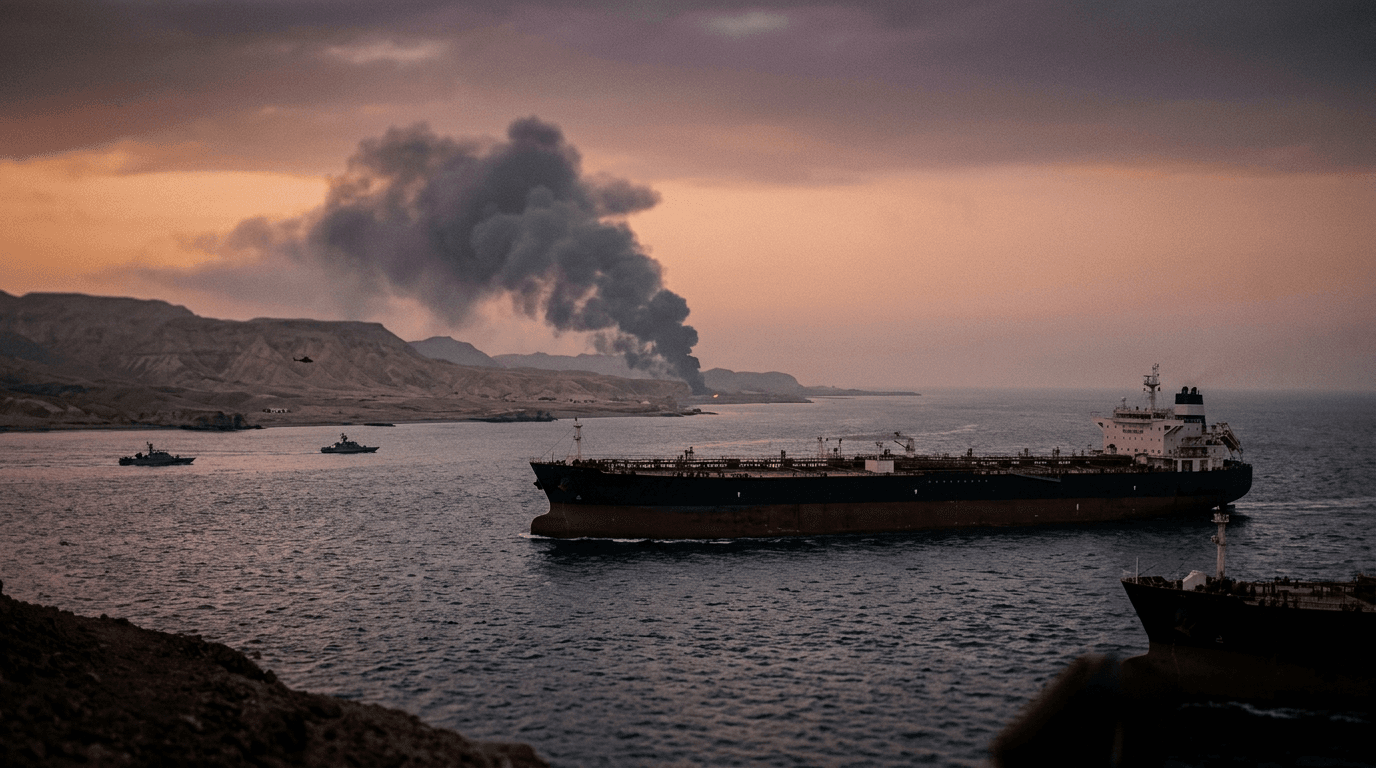
Brent Crude's Meteoric Rise Amid Hormuz Tensions: Essential Insights for Traders
An Unsettling Surge in Brent Crude
In recent weeks, Brent crude oil futures have experienced a remarkable surge, driven by escalating geopolitical tensions in the Middle East. On March 9, 2026, Brent crude reached a peak above $119 per barrel—the highest since mid-2022. This dramatic movement underscores the vulnerability of global energy markets to disruptions at the Strait of Hormuz. Traders and investors must grasp the drivers behind this rally to navigate the prevailing market volatility effectively.
The Strategic Strait of Hormuz: A Chokepoint of Energy Security
The Strait of Hormuz is a linchpin in global energy infrastructure, connecting the Persian Gulf to the Gulf of Oman and the Arabian Sea. As the primary export route for about one-third of the world's seaborne oil trade, any disturbance—be it military, blockades, or accidents—poses a direct threat to global oil supplies and prices. Recent geopolitical developments have thrust this strategic chokepoint into the spotlight, with rising tensions surrounding potential Iranian actions and Western military responses. The elevated risk premium reflected in crude prices signals real concerns about trade disruptions that could impact energy consumers worldwide.
Iran Conflict Escalation Fuels Fear and Market Volatility
The recent rally in crude oil has been triggered by heightened tensions in the Iran conflict. Reports suggest that President Trump has threatened to escalate military operations if a resolution to reopen the Strait of Hormuz is not reached soon. This includes potential action against Iran's Kharg Island oil export hub, a move that would necessitate significant US ground forces. With approximately 3,500 sailors and Marines already deployed, these developments have injected substantial uncertainty into the region's stability.
May WTI crude oil futures rose by +3.25% on Monday, while May RBOB gasoline climbed +2.16%, reflecting traders' rush to account for military risks. The broader concern is that the conflict in Iran could spark a wider regional crisis, further jeopardizing critical energy infrastructure. Saudi Arabia's agreement to provide the US military access to King Fahd Air Base underscores heightened military readiness. These geopolitical factors have created bullish pressures on crude prices that extend beyond typical supply-demand fundamentals.
Why Brent Outshines WTI in a Hormuz Crisis
Recent market activity highlights Brent crude's greater strength compared to WTI amid Hormuz disruption fears. This performance difference stems from the distinct ways these benchmarks react to Middle Eastern supply shocks. Brent crude, the main global oil benchmark, is more sensitive to disruptions affecting seaborne trade due to its reliance on tanker routes. Any blockade or military action impacting the Strait of Hormuz directly threatens the availability of Middle Eastern crude for international markets, making Brent particularly vulnerable to this geopolitical risk.
Conversely, WTI, traded primarily by North American producers and consumers, is less directly exposed to Persian Gulf shipping routes. This explains why Brent typically appreciates more sharply during Middle East crises. The outperformance of Brent also reflects the reality that European and Asian energy markets, which heavily rely on Brent-priced crude, face the most direct exposure to any Hormuz disruption.
Broader Market Implications and Trader Considerations
The crude price surge has implications that extend across multiple asset classes and markets. Higher oil prices bolster the US dollar, as investors seek safe-haven currency exposure during geopolitical uncertainty. Additionally, elevated crude costs create inflationary pressures that could influence central bank policy decisions and broader economic growth expectations. Traders must understand that the current price level reflects not only supply-demand dynamics but also significant embedded risk premiums linked to potential future disruptions.
Goldman Sachs has raised its Q4 2026 forecasts for both Brent and WTI crude, anticipating prolonged Strait of Hormuz disruptions. This suggests that major financial institutions expect elevated price levels to persist if geopolitical tensions remain unresolved. The challenge for market participants is determining whether diplomatic efforts can de-escalate tensions and reduce the risk premium, or whether military action will confirm the current bullish stance.
Key Takeaways for Market Participants
Traders and investors must closely monitor geopolitical developments in the current crude oil environment. Pay attention to statements from US and Iranian officials regarding military intentions and diplomatic negotiations. Track shipping traffic through the Strait of Hormuz and any changes in insurance costs for tanker operations, as these provide real-time signals of market risk perception. Consider diversifying energy exposure across geographies and hedging strategies in light of the elevated volatility. Finally, recognize that crude price movements will likely impact forex markets, particularly the strength of the US dollar.
News Impact Score: 8