
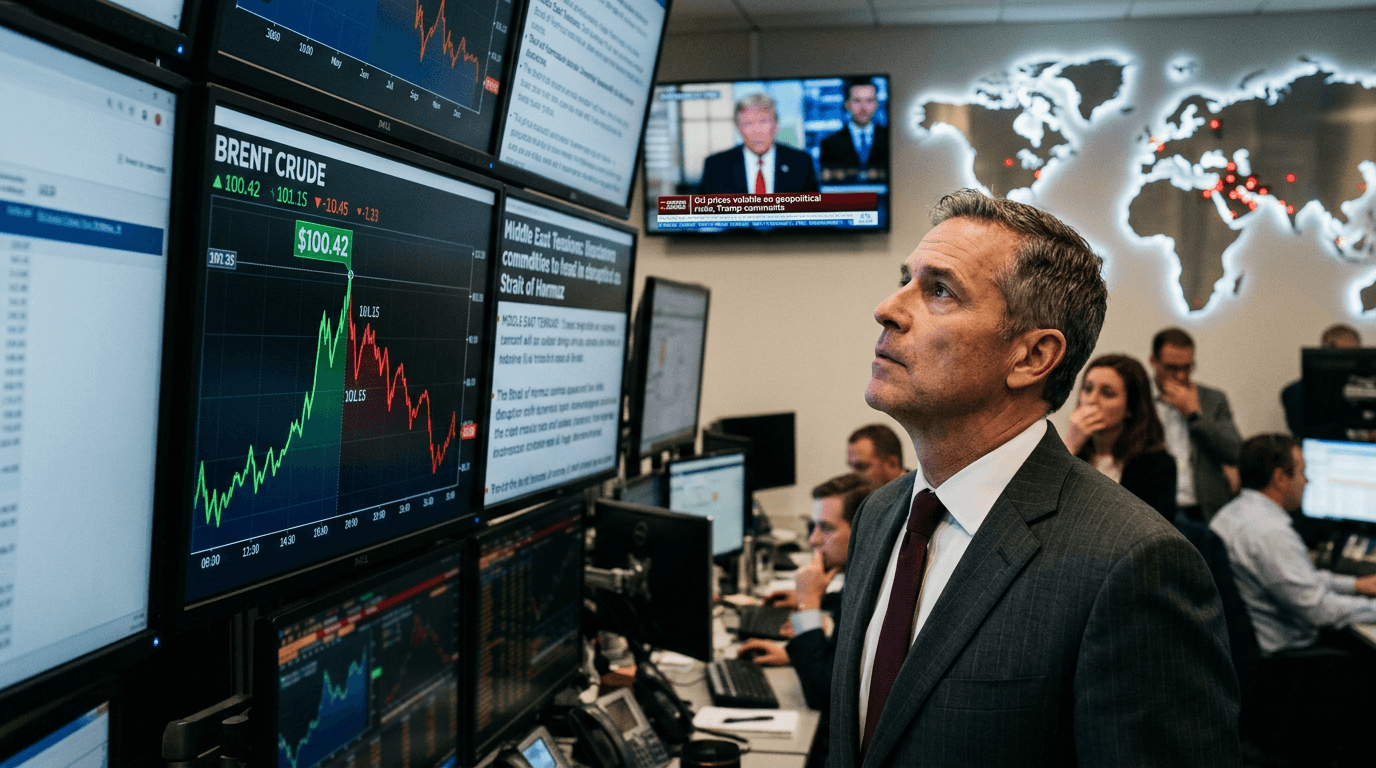
Brent crude oil has once again breached the $100 per barrel mark, a pivotal moment for energy markets as geopolitical tensions continue to sway price dynamics. This surge is a reflection of heightened anxieties over potential disruptions to global oil supplies, driven by escalating Middle Eastern conflicts, particularly around the critical Strait of Hormuz. Such volatility introduces both challenges and opportunities for traders keeping an eye on commodity markets and investments tied to energy.
UNDERSTANDING THE RETURN TO $100
The re-emergence of Brent crude above the $100 threshold indicates renewed market apprehension regarding energy supply disruptions. Goldman Sachs foresaw Brent averaging over $100 in March, attributing this to ongoing conflicts in the Middle East and their impact on oil flow through the region. The bank warns that prices could skyrocket further if the largest oil supply disruption in history extends beyond weeks. This forecast highlights the sensitivity of energy markets to geopolitical developments threatening vital infrastructure and shipping lanes.
In the early trading sessions of this month, Brent traded robustly above $102, with some projections eyeing a climb toward $115 under specific scenarios. Such volatility underscores the heightened uncertainty in the region, where tanker movement through the Strait of Hormuz faces significant hurdles due to rising conflicts affecting oil ports in Oman and the UAE. For traders, this environment presents both risks and opportunities as prices fluctuate with headline events.
Geopolitical Drivers And Supply Uncertainties
The main factor behind surging oil prices is the threat to supply via the Strait of Hormuz, a passageway through which a considerable portion of global oil shipments traverse daily. Disruptions here prompt sharp market reactions because producers struggle to redirect supplies through other routes, sparking genuine scarcity concerns. Goldman Sachs analysts caution that the strait's disruption could linger, with models indicating Brent could average $93 per barrel in the fourth quarter if blockages persist, with major spikes exceeding $100 in the coming weeks.
Efforts by authorities to temper prices by addressing supply concerns have had limited effect. The International Energy Agency has orchestrated a record release of 400 million barrels from strategic oil reserves, while the U.S. has permitted Russian oil sales from floating storage for a month. However, these measures take weeks to translate into actual market deliveries. Meanwhile, the Strait of Hormuz remains off-limits for tanker traffic, with no signs of easing tensions, presenting considerable risks for major shipping operations.
Trump's De-escalation And Market Response
A dramatic shift occurred when President Donald Trump signaled a move toward de-escalation, implementing a five-day halt on planned U.S. strikes against Iranian energy infrastructure. Trump hinted at constructive talks with Iran over the preceding days, suggesting negotiations would proceed. This announcement led to a swift market reaction, with Brent crude futures plunging by over 10 percent to around $98 as investors reassessed supply risk scenarios.
This rapid market shift underscores the profound impact of geopolitical events and diplomatic progress on oil prices. The announcement alleviated immediate supply fears following tensions linked to Trump's prior deadline for Iran to reopen the Strait of Hormuz. However, the de-escalation remains precarious, with Iranian state media denying ongoing negotiations, perpetuating uncertainty over the success of diplomatic efforts to sustain a reopening of this crucial waterway.
Market Outlook And Pricing Projections
Looking forward, energy analysts anticipate continued volatility as the situation unfolds. Trading Economics predicts Brent crude will be at $112.57 per barrel by the end of the current quarter, indicating potential upside if de-escalation halts. Over a twelve-month horizon, their models foresee Brent at $126.42, reflecting expectations of sustained high prices compared to pre-conflict levels. Goldman Sachs anticipates a more moderate average of around $85 per barrel in April, indicating confidence in eventual stabilization if supply disruptions prove temporary.
Over the past month, Brent's price has surged approximately 41 percent, significantly outpacing typical commodity movements and highlighting the magnitude of supply concerns. A year-over-year comparison shows prices up about 36 percent, a substantial premium impacting everything from fuel costs to global industrial production.
Key Insights For Traders
Energy markets remain highly sensitive to developments around the Strait of Hormuz and broader Middle Eastern geopolitical tensions. Prices above $100 per barrel are maintainable in current conditions, although diplomatic progress could prompt sharp declines. Effective risk management is crucial when trading energy futures in this climate, as single headlines can trigger multi-dollar shifts. Long-term investors should watch for progress in de-escalation efforts or potential new escalations. Additionally, the interplay between oil prices and broader commodity markets offers opportunities for traders monitoring energy-linked currencies and equity sectors.