
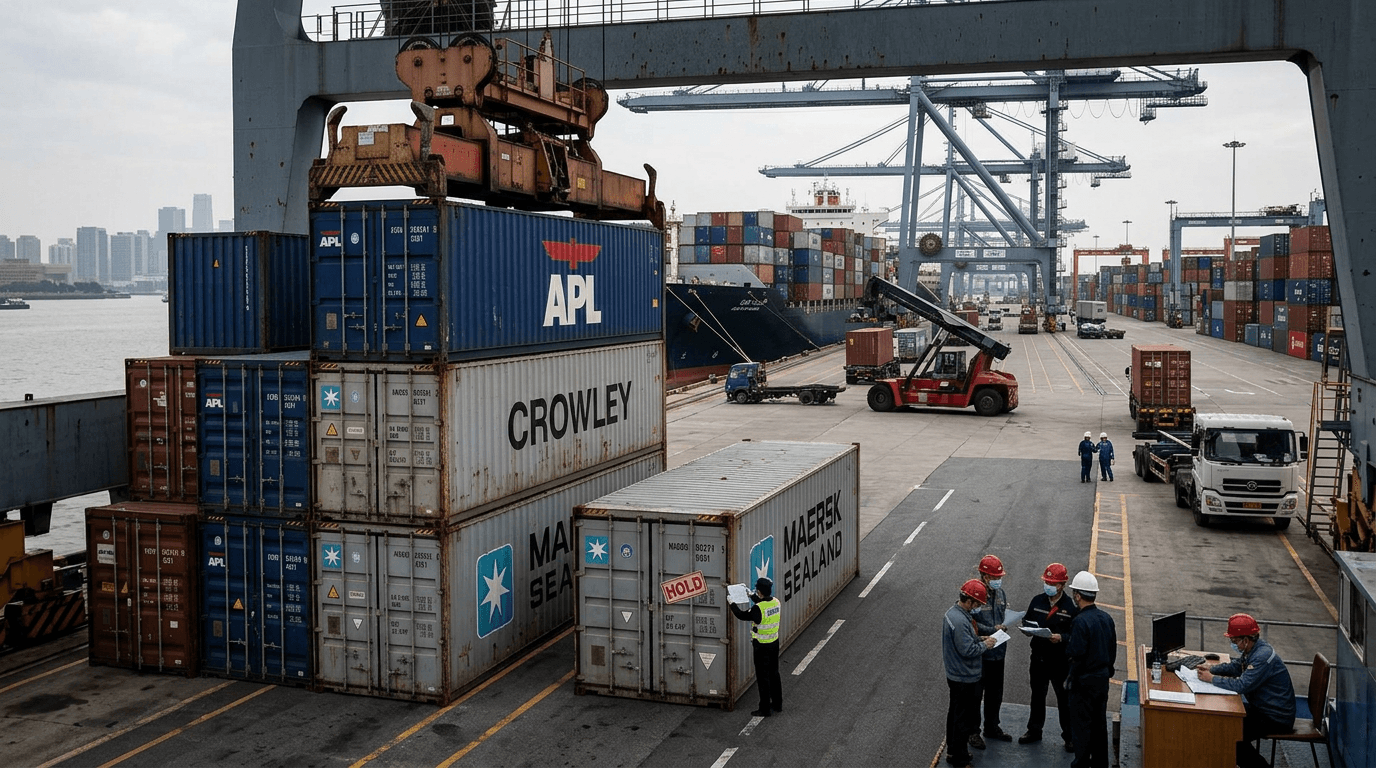
China's 125% Tariff Shock: Navigating the Trade War Turning Point
The Revelation of a Trade Shock
In April 2025, China’s announcement of a staggering 125% tariff on US goods wasn't merely another volley in the ongoing trade war—it was a seismic shift. This escalation was more than retaliatory; it marked a profound fracture in the trade relationship between two global giants, thrusting markets worldwide into a whirlwind of uncertainty. For traders and investors, especially those in simulated finance environments, the event underscored the necessity of understanding how policy shocks can unravel into both opportunities and risks.
The Swift Escalation: A Lesson in Speed
April 2025 offered a rapid-fire case study on how swiftly trade tensions can escalate. On April 10, the United States cranked up tariffs on Chinese goods to 145%, prompting an immediate counter from Beijing. By April 11, China's tariffs had soared to 84%, and just one day later, they rocketed to 125%, effective April 12. From an initial 34% baseline on April 4, tariffs had nearly quadrupled in a mere week. This timeline is a stark reminder to traders: policy announcements can ignite market reactions with breathtaking speed, often through successive policy moves rather than isolated incidents.
Delving into the Economic Strategy
China’s Ministry of Finance justified the 125% tariff as a necessary threshold to prevent the market from absorbing US goods under current conditions. This implied that beyond this level, US exports would become economically unfeasible in China. Such a stance indicated Beijing's strategic calculation, aiming to halt major trade flows effectively. China also didn’t shy away from strong rhetoric, denouncing US actions as "a serious violation of international economic and trade rules" and "unilateral bullying and coercion." However, amid this defiant posture, an April 9 State Council white paper hinted at diplomatic openness, adding a layer of complexity for traders to decode.
Retaliation Beyond Tariffs: The Broader Toolkit
The 125% tariff wasn’t China’s sole response. Alongside it, 11 US companies found themselves on China's "unreliable entity list," cutting them off from Chinese markets due to alleged military-related technology cooperation with Taiwan. This multi-faceted retaliation demonstrated China’s readiness to deploy an arsenal of policy tools, transcending traditional tariffs to include non-tariff barriers and targeted sanctions. For traders, this meant navigating a landscape where broad tariffs and targeted sanctions created distinct market dynamics.
Market Waves: Implications for Traders
The tariff hike unleashed volatility across asset classes. Emerging market currencies came under pressure, commodities experienced price swings, and Asian equity indices plunged as investors scrambled to reposition. For traders, the leap from 84% to 125% tariffs was a stark reminder: such adjustments are not minor. They signal a fundamental recalibration of trade relations. The explicit language from Chinese officials about market absorption limits further clarified policymakers' intentions, offering crucial insights into potential future actions.
Strategic Insights for Market Participants
Several strategic insights emerged from the 125% tariff announcement. Firstly, trade policy shifts exert an outsized impact, disrupting supply chains and relationships built over decades. Secondly, the rapid succession of policy announcements compressed typical price discovery timelines, offering both confusion and opportunities for those anticipating market moves. Lastly, despite aggressive tariffs, diplomatic channels remained open, suggesting a fluid situation that traders had to navigate, balancing scenarios of continued escalation or potential negotiation breakthroughs.
The 125% tariff served as a pivotal point in the US-China trade conflict, commanding the attention of global market participants. By dissecting the escalation sequence, economic rationale, and diverse policy tools used by Beijing, traders could better interpret macroeconomic policy decisions and seize resulting market opportunities.
EXCERPT: When China announced 125% tariffs on US goods in April 2025, it marked a pivotal escalation that sent shockwaves through global markets. Learn what this meant for traders and supply chains.