
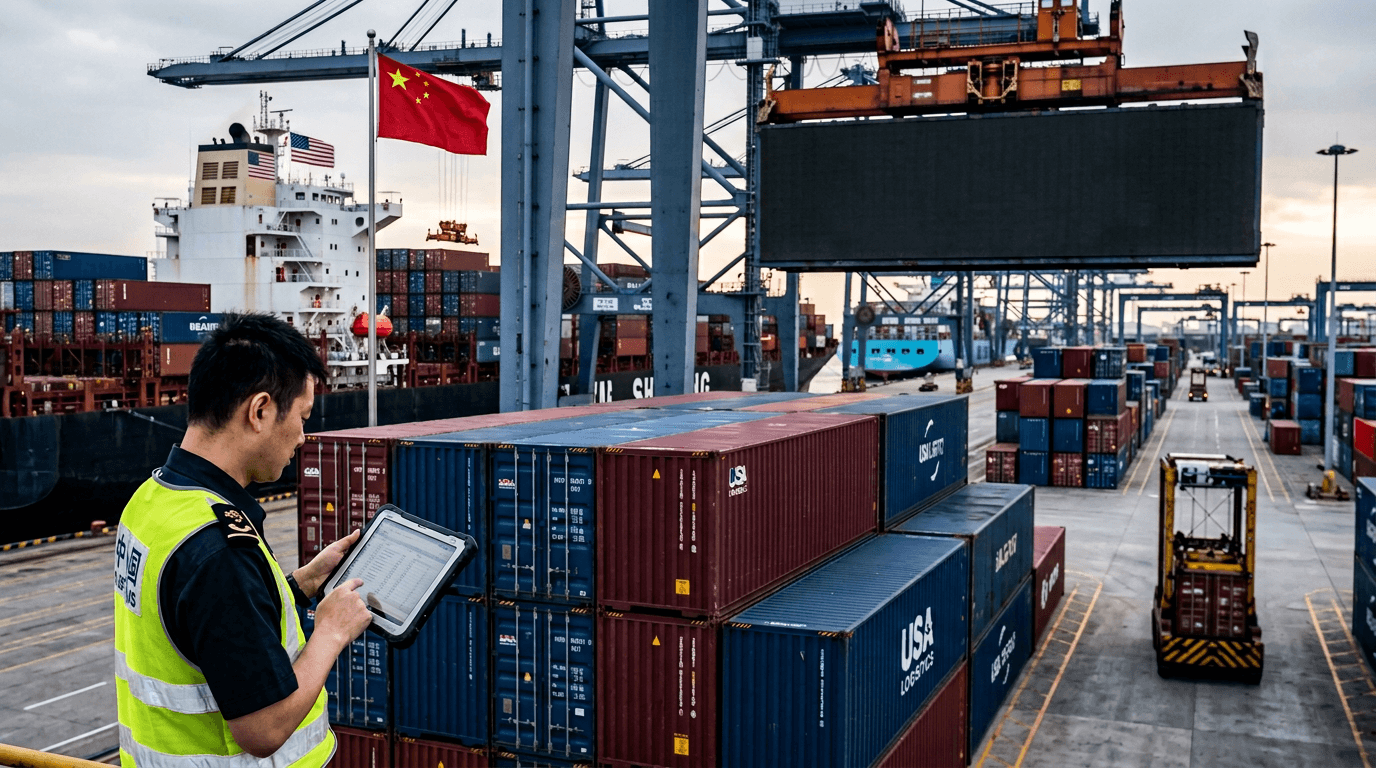
The trade tensions between the United States and China reached an unprecedented level on April 12, 2025, when China announced it would increase tariffs on American goods to 125%, up from the previous 84% rate. This significant move came just two days after the Trump administration imposed a 125% reciprocal tariff on Chinese imports, marking a critical escalation in the ongoing trade war. The decision sent ripples through global markets, sparking fears of inflation, supply chain disruptions, and further deterioration in US-China trade relations.
In an official statement, China’s Ministry of Finance declared that the tariff hike was a retaliatory measure against what it described as "abnormal and unreasonable" tariff increases by the US. Importantly, the ministry also communicated that the 125% tariff level would be the final increase for the time being, unless the US further escalated tariffs. In such a case, China warned that it would not engage in further negotiations but would instead hold its ground firmly.
The Immediate Catalyst For Escalation
The sequence of events leading to China’s April 12 announcement was triggered on April 10, 2025, when the US implemented its 125% reciprocal tariff on all imports from China and Hong Kong. This increase built on a 20% tariff from March 2025, which itself followed an initial 10% levy in February. The cumulative impact resulted in an unprecedented tariff load on Chinese goods entering the US. In response, China mirrored this action with its own 125% tariff, asserting that its rates were more measured than the American rates, which reportedly reached 145% when all duties were considered.
Scope And Impact Of The New Tariffs
China’s 125% tariff rate applied uniformly to US goods, with no major exemptions. This was particularly critical because it meant nearly all American exports to China faced prohibitively high duties. According to China’s Ministry of Finance, this situation became untenable for Chinese importers and retailers, who noted that "under the current tariff levels, the market can no longer accept US goods exported to China." This indicated that many Chinese buyers would opt to stop purchasing American products rather than absorb the massive tariff costs.
The comprehensiveness of this tariff hike set it apart from previous phases of the trade conflict. While earlier retaliatory measures targeted specific sectors, by April 12, China’s 125% tariff encompassed 100% of its imports from the US, signaling a total reciprocal escalation. This development created significant disruptions across multiple sectors, including agriculture, technology, automotive, and consumer goods.
Market Implications And Currency Pressure
The announcement had immediate repercussions in the currency markets, particularly affecting the USD/CNY pair. The heightened tariff environment heightened concerns about China’s near-term economic growth, potentially weakening the yuan against the dollar. Simultaneously, the tariffs fueled inflation worries in the US, as American businesses faced increased costs for imported goods from China, potentially leading to price hikes for consumers.
The tariff escalation also impacted broader equity and futures markets. The possibility of prolonged trade tensions introduced uncertainty for multinational companies with substantial exposure to both American and Chinese markets. Companies reliant on supply chains felt intensified pressure as logistics costs rose and trade routes faced disruption.
Indications Of Potential Negotiation
Despite the aggressive 125% tariff announcement, observers noted nuances in China’s messaging. While the government criticized US tariff policies as "unilateral bullying and coercion" and a breach of international economic rules, it also signaled willingness for discussion. Around this time, Chinese leader Xi Jinping met with Spain’s Prime Minister and called on the European Union to support China’s stance, suggesting that Beijing was seeking international coalitions rather than pursuing outright confrontation.
Moreover, the explicit statement that the 125% level would be the final increase offered reassurance that the escalation might stabilize, even if at a high level.
Key Takeaways For Traders And Investors
The April 12 announcement fundamentally reshaped the trade landscape. Market participants understood that a 125% tariff rate effectively priced most US goods out of the Chinese market, indicating a structural shift in trade patterns rather than a temporary disruption. Companies reliant on exports to China faced urgent decisions about reconfiguring supply chains. At the same time, inflation risks in the US intensified as cumulative tariff burdens on imported Chinese goods exceeded 140%, with costs likely passed on to consumers. While Beijing’s stabilization signal provided some relief, underlying tensions remained significant.
The tariff environment created both risks and opportunities. Domestic manufacturers in both nations gained competitive advantages over foreign rivals, while consumers faced higher prices. Investors needed to reassess valuations for companies heavily exposed to cross-border trade and consider repositioning portfolios accordingly.