
The Tariff Escalation Timeline
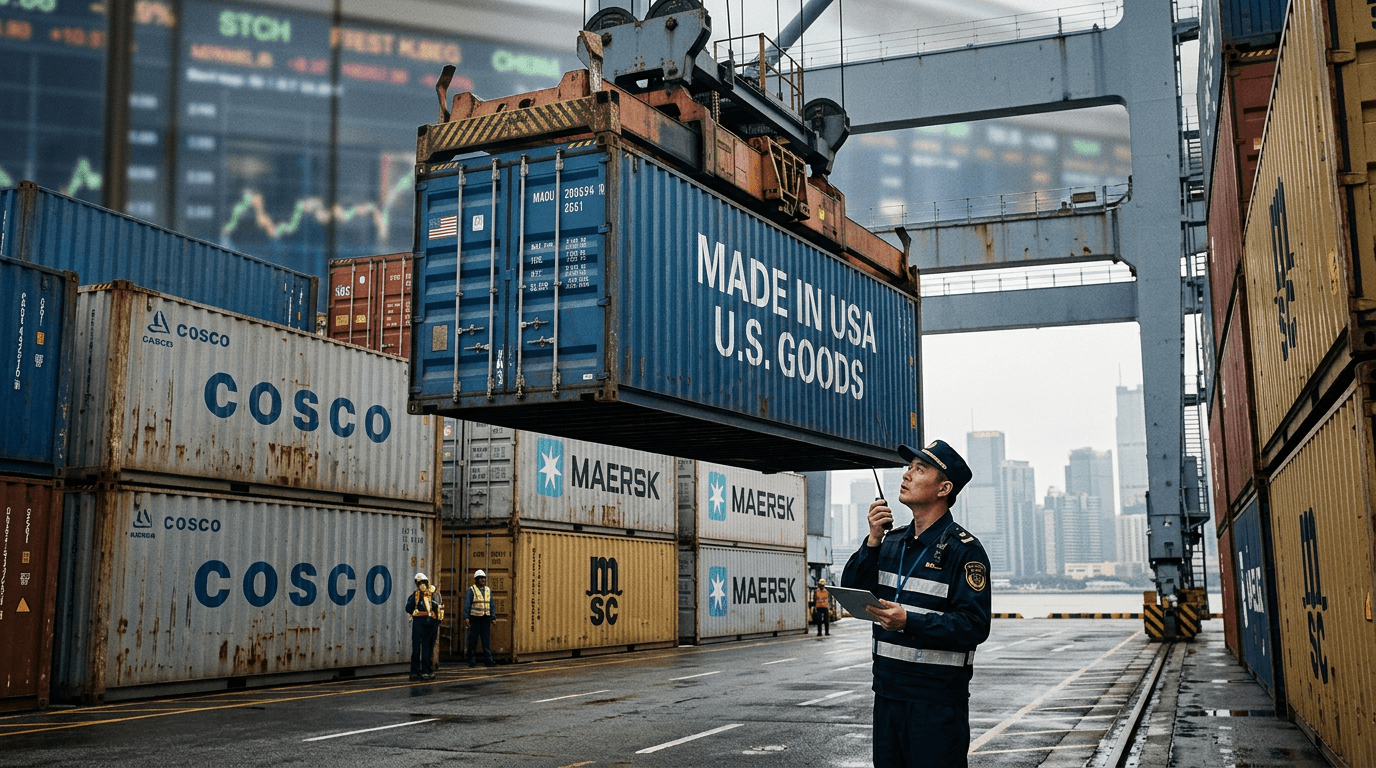
The trade tensions between the U.S. and China have reached a boiling point, with Beijing’s recent announcement of imposing 125% tariffs on American goods. This escalation is the latest chapter in a series of retaliatory measures, each side increasing tariffs in a tit-for-tat manner that has been progressively intensifying over recent weeks. For traders and investors navigating the SimFi landscape, understanding the implications of this development is crucial.
The origins of this latest conflict can be traced back to the United States’ decision on April 10, 2025, to levy a steep 125% tariff on all imports from China and Hong Kong. This move built on a previous 20% tariff enacted on March 4, meant to address concerns over fentanyl. Combined, these tariffs bring the total rate on Chinese goods to a punitive 145%.
China responded promptly. On April 11, the Ministry of Finance announced new tariffs on U.S. goods, reaching the same 125% level. This represents Beijing’s most significant retaliation thus far, matching U.S. aggressions while keeping diplomatic channels open for potential negotiations.
Understanding the Market Implications
The imposition of 125% tariffs on U.S. goods by China sends shockwaves through markets already jittery from trade uncertainties. Sectors heavily reliant on U.S.-China trade face immediate cost pressures. American agricultural producers, energy exporters, and industrial component manufacturers are likely to see their competitiveness in one of their largest markets wane.
Previously, China had imposed a 50% additional tariff in response to U.S. threats, making the total retaliatory rate 84% on U.S. goods before the latest escalation. The leap to 125% impacts virtually all categories of goods traded between the two economic giants, from raw materials to finished products.
U.S. Treasury Secretary Bessent remains confident that these tariffs will ultimately be unsustainable for China, projecting potential job losses of up to 10 million within the Chinese economy if current tariff levels persist. The imbalance in trade flows, with China exporting nearly five times more goods to the U.S. than it imports, exerts pressure on Beijing to pursue relief through negotiations despite its public posture of resistance.
Sectoral Winners and Losers
Certain industries bear the brunt of this tariff regime more acutely than others. China manages roughly half of America’s ethane exports annually, placing specific sectors under significant pressure. Nevertheless, Beijing has granted selective exemptions, including waivers on ethane imports and exceptions for pharmaceuticals, microchips, and aircraft engines, indicating some room for negotiation despite its aggressive public stance.
Investors should keenly observe which sectors receive exemptions, as this could signal early negotiation progress. Companies in export-dependent industries must prepare contingency plans for extended tariff scenarios while staying alert to potential policy shifts.
Geopolitical Dimensions and Negotiation Signals
Despite aggressive rhetoric from both sides, subtle signals suggest negotiations may not be off the table. China’s Ministry of Commerce has added 12 U.S. companies to its export control list and six to its Unreliable Entity List, but these actions seem to be more about maintaining negotiating leverage than outright economic warfare.
The Trump administration has declared a 90-day pause on reciprocal tariffs for most countries while maintaining a firm stance against China, hinting at a willingness to negotiate with other trading partners. President Trump has shown interest in potentially striking a deal with China, suggesting the door remains open despite the escalating tariff measures.
What Traders Should Monitor
The implementation of the 125% Chinese tariff on April 12 creates significant volatility opportunities and risks for SimFi traders. Key indicators to watch include currency movements, particularly the yuan-dollar exchange rate, as both economies face potential economic headwinds from the tariff burden. Commodity prices, especially those linked to U.S. exports like energy products, are under pressure, while certain industries might benefit from reduced foreign competition in domestic markets.
Traders should also watch for corporate earnings guidance revisions from multinational corporations with significant China exposure. Supply chain disruptions could present trading opportunities in logistics and related sectors. Additionally, monitoring official policy statements and any signals from both governments indicating negotiation progress could trigger significant market moves.
The announcement of the 125% tariff represents a critical juncture in the trade conflict, and understanding its implications helps traders position themselves aptly in the evolving market landscape.