
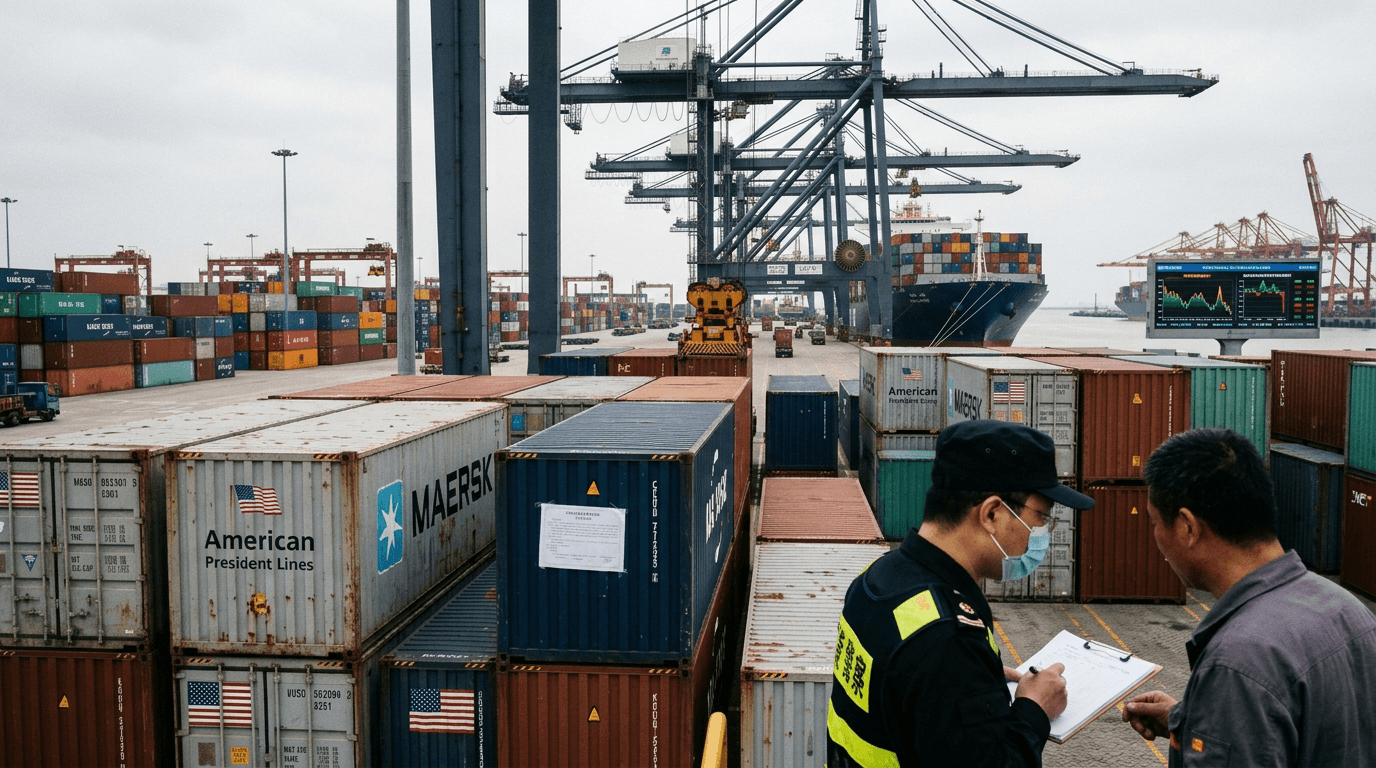
In a striking move on April 12, 2025, China imposed a 125% tariff on U.S. goods, marking a significant escalation in the trade tensions between these economic giants. This was more than just a tit-for-tat in an ongoing trade dispute—it was a pivotal moment, pushing trade policies to levels not seen in a century. For global traders and businesses, this created both challenges and opportunities in an increasingly unpredictable market environment.
The Escalation Timeline
The lead-up to this tariff spike was rapid and intense. It began on April 4, 2025, when the United States levied a 34% tariff on Chinese imports as part of a broader strategy of reciprocal tariffs. China matched this move the same day. However, the situation quickly escalated. By April 9, U.S. tariffs had climbed to 84%, prompting China to reciprocate once again. The tipping point came on April 10, when the U.S. increased tariffs to 145% on Chinese goods, a move that prompted China to react swiftly. By April 11, China had not only matched the 84% but also announced a 125% tariff effective from April 12. In just over a week, tariff rates had soared, catching most market participants by surprise with their rapid escalation.
Beijing's Strategic Calculation
China's decision to set the tariff at 125% was not made lightly. According to the Ministry of Finance, this level represented a crucial economic threshold. They stated that "under the current tariff levels, the market can no longer accept U.S. goods exported to China," implying that this was a point beyond which U.S. exports would become unviable, effectively halting significant trade flows. This was not just a negotiation strategy; it was a clear signal of China's limits in tariff discussions and a message that they had reached their breaking point.
Furthermore, the Ministry made it clear that if the U.S. continued to escalate, China would refrain from further tariff hikes, suggesting that this was their final move in this cycle. China's response was multifaceted, including placing eleven U.S. companies on an "unreliable entity list," limiting their market access due to alleged military technology cooperation with Taiwan. This showed China's readiness to use both tariff and non-tariff measures to exert pressure.
Global Market Impact
The immediate result of this tariff announcement was a ripple of volatility across global markets. The sudden jump from 84% to 125% tariffs within a day led to hurried portfolio adjustments by investors. Emerging market currencies weakened as risk-averse investors pulled out, while commodity prices saw significant fluctuations due to increased trade uncertainty. Asian stock markets suffered as concerns about manufacturing and export-driven economies grew. In the U.S., businesses, particularly those in the Bay Area that rely heavily on trade with China, faced increased operational costs and challenges in maintaining competitive pricing.
Economists warned of the broader implications, noting that these were the highest tariff levels in around 100 years, and warned that they could disrupt global supply chains, exacerbating inflation concerns. The increased costs were likely to be passed on to consumers, while Chinese firms reliant on U.S. imports of critical products like machinery and pharmaceuticals faced potential setbacks, indicating that China's economy too would face challenges.
Implications For Traders
For traders, the events of April 2025 underscored the importance of understanding policy risk and being agile in response to market changes. The rapid transition from 34% to 125% tariffs in such a short time frame highlighted how quickly economic policies can shift market dynamics, presenting both risks and opportunities. Traders in currencies, commodities, and equities had to quickly adapt to the new landscape.
The situation also emphasized the need for traders to stay informed about policy announcements. The Ministry of Finance's assertion that the 125% tariff was intended to be final provided some stability, though uncertainty about future diplomatic negotiations lingered.
Understanding the rationale behind such tariffs—that 125% was a threshold at which U.S. goods became economically untenable—gave traders insight into the strategic moves of both governments and helped anticipate potential negotiation outcomes.
The announcement of the 125% tariff illustrated the significant role trade policy now plays in driving market volatility. By analyzing escalation patterns and policy decisions, traders could better anticipate macroeconomic changes and position themselves to take advantage of arising opportunities while mitigating risks.