
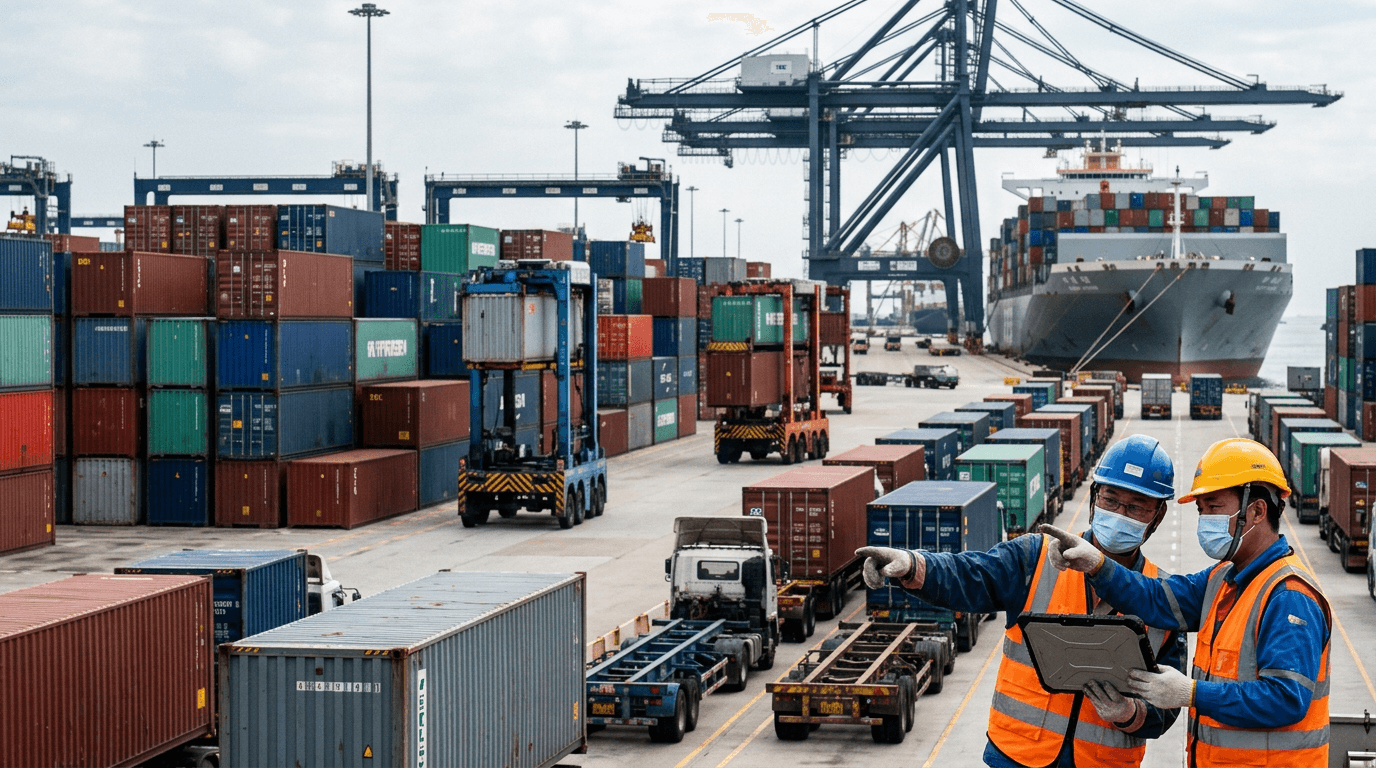
When China hiked tariffs on US goods to a staggering 125% effective April 12, 2025, it marked a pivotal escalation in the US-China trade war, reshaping global commerce and injecting significant volatility into international markets. This dramatic leap from the previous 84% tariff underscored Beijing's readiness to adopt more extreme measures in retaliation against US trade policies. For traders and investors in simulated finance environments, this move offered critical insights into how swiftly policy shifts can ripple through markets, creating both substantial risks and genuine trading opportunities.
The Rapid Escalation Timeline
To grasp the magnitude of China's 125% tariff announcement, one must examine the swift series of events that precipitated it. On April 10, 2025, the United States raised tariffs on Chinese goods to 145%, prompting an immediate and forceful counter from Beijing. Within just a day, China's Ministry of Finance announced its own tariff hike to 125%, taking effect two days later on April 12. This rapid escalation illustrates how quickly trade tensions can intensify when both parties are committed to aggressive tactics.
The speed of these changes forced businesses to swiftly adjust supply chains and pricing strategies. Importers and exporters faced immediate pressure to recalculate costs, renegotiate contracts, and reassess market viability across numerous product categories. For traders in simulation environments, this sequence demonstrated that policy announcements can rapidly move markets—especially when they signify substantial changes from prior levels. The jump from 84% to 125% represented a 50% increase in tariff rates, far from a minor adjustment.
Understanding China's Economic Rationale
China's accompanying statement provided key context for its tariff decision, revealing insights into Beijing's economic rationale. The Ministry of Finance indicated that under the current tariff conditions, the market could no longer absorb US goods exported to China. This statement suggested that tariffs had reached an economically unsustainable level, effectively disrupting major trade flows between the world's two largest economies. China expressed concern that sustained high tariffs would severely undermine US exporters' ability to penetrate Chinese markets.
China also criticized the US approach, labeling the high tariffs as "a serious violation of international economic and trade rules" and "unilateral bullying and coercion." Despite this strong rhetoric, China signaled through an April 9 State Council white paper that it remained open to negotiations with the US, suggesting that diplomatic avenues were still possible. This blend of aggressive action and rhetorical condemnation, coupled with signals of willingness to negotiate, created a complex environment for traders to navigate.
Implications For Global Markets And Supply Chains
The 125% tariff announcement had repercussions far beyond US-China bilateral trade. Companies worldwide would need to significantly adjust sourcing strategies, pricing models, and market access approaches. Supply chain managers faced critical decisions about whether to continue sourcing from China despite punitive tariffs, seek alternative suppliers, or relocate production facilities entirely. These decisions would take months or years to fully implement, creating an extended period of uncertainty that would continue generating trading opportunities.
The tariff escalation raised fundamental questions about the future of bilateral trade relationships and global supply chain structures. Would other countries accelerate nearshoring or friendshoring initiatives? Would global inflation surge as companies passed higher costs to consumers? How would emerging markets respond to disrupted supply chains that previously flowed through US-China trade routes? These questions created significant volatility across equities, currencies, and commodities as market participants tried to anticipate cascading effects.
Key Lessons For Simulated Traders
The language used in policy announcements is crucial for understanding policymakers' intentions and assessing the likelihood of further escalation. When China stated that the 125% tariff marked a final increase, traders needed to weigh this against the historical record of such declarations. Often, what policymakers initially describe as final positions become negotiating anchors rather than genuine endpoints. The announcement created opportunities for traders to position for either continued escalation or potential de-escalation and negotiated resolution.
Policy-driven market movements often create asymmetric risk-reward opportunities that sophisticated traders can exploit. The announcement created clear winners and losers across sectors, countries, and asset classes. Exporters faced margin compression, while domestic producers benefited from reduced foreign competition. Currency markets adjusted as capital flows shifted based on new profit outlooks. Commodity markets reacted to anticipated changes in global demand patterns. Traders who understood these dynamics could identify positions offering favorable risk-reward profiles relative to broader market sentiment.
The tariff announcement was not an isolated incident but rather a point within a larger trade policy narrative that would continue generating trading opportunities and challenges for months to come. Markets required continuous monitoring of diplomatic developments, statements from both governments, and actual implementation details. The initial 125% announcement eventually led to partial de-escalation in May 2025, when both countries agreed to a 90-day tariff suspension, demonstrating that even aggressive trade positions could reverse through negotiation. Understanding these dynamics enhances the analytical frameworks that traders apply to macroeconomic events and policy-driven market movements.