
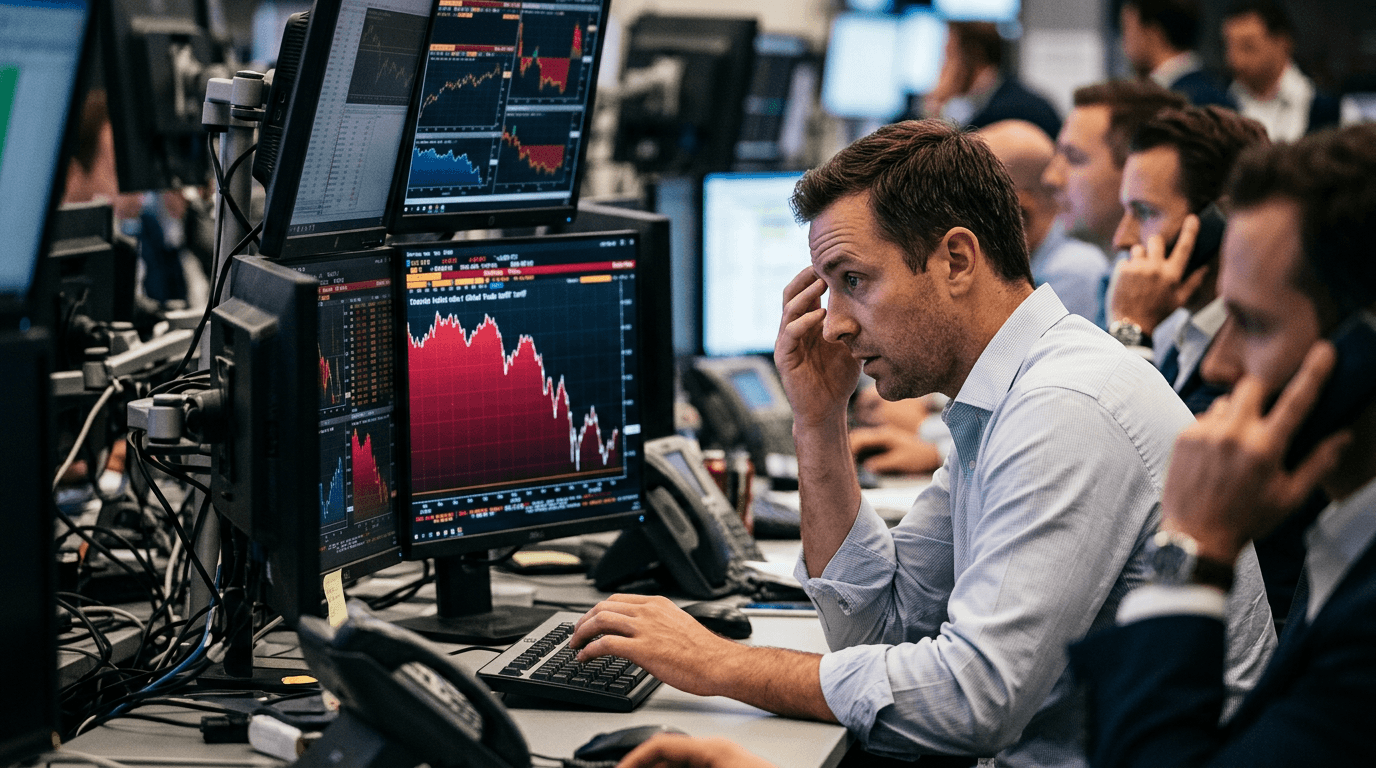
In the intense arena of international trade, few events can shake markets as profoundly as a sudden tariff hike. On April 11, 2025, China's Ministry of Finance did just that, delivering a jolt to global markets. The announcement: China would raise tariffs on all US goods to a staggering 125%, effective April 12, 2025. This was a sharp leap from the previous day's 84%, marking one of the most aggressive countermeasures in the ongoing US-China trade skirmish. For traders and investors navigating macroeconomic policies through simulated finance platforms, this escalation highlighted how swiftly political decisions can morph into market volatility.
Grasping The Swift Escalation
The journey to China's 125% tariff was not an isolated occurrence; it unfolded rapidly over just 48 hours. On April 10, 2025, the US escalated its tariffs on Chinese goods to 145%, prompting an immediate reaction from Beijing. In less than a day, China retaliated with a 125% tariff increase, effective immediately. This rapid chain of events underscores a vital lesson for market players: trade wars can accelerate rapidly, and failing to react swiftly can lead to missed opportunities or unforeseen losses.
To grasp this escalation's full impact, it's crucial to consider the entire timeline. Initially, China's retaliatory tariff stood at 34%, which surged to 84% by April 11, before leaping to 125%. This 50% hike from 84% to 125% wasn't a mere tweak—it signaled a significant shift in trade dynamics, indicating Beijing's willingness to endure economic hardship to counter US tariff increases.
The Economic Justification Behind The Move
China's tariff decision wasn't arbitrary. The Ministry of Finance explained that under current tariffs, the Chinese market could no longer absorb US goods effectively. This statement carries weighty implications, suggesting that policymakers had reached a threshold where existing tariff levels were causing unsustainable economic harm. Instead of gradual escalation, China opted for a dramatic barrier increase, signaling that previous levels were untenable.
Beyond economic reasoning, China's official rhetoric revealed its political stance. The State Council criticized US actions as "a serious breach of international economic and trade norms" and labeled the approach as "unilateral intimidation and coercion." Despite this aggressive language, Beijing indicated through an April 9 State Council white paper that diplomatic channels remained open. This dual strategy—aggressive tariffs combined with negotiation openness—created uncertainty about whether this was a lasting escalation or a strategic bargaining position.
Impact On Global Supply Chains
The 125% tariff announcement had tangible repercussions for multinational corporations and global supply chains. At these tariff levels, companies faced essential questions about sourcing, pricing, and market strategies. US exporters found their products less competitive in Chinese markets, while Chinese manufacturers eyeing US sales encountered similar hurdles.
For traders in simulated finance settings, this created a landscape of opportunities and risks. Currency markets adjusted to changing trade expectations, equity markets revalued based on exposure to China and US trade, and commodity markets realigned as supply chains restructured. The announcement wasn't isolated but part of a broader trade policy narrative that would continue to offer trading prospects for those strategically positioned.
Key Insights For Traders
From China's 125% tariff announcement, several key lessons emerge. Firstly, policy announcements can swiftly move markets, especially when they signify major changes from prior levels. The leap from 84% to 125% exemplified the type of surprise that generates volatility—and volatility opens trading opportunities.
Secondly, the context and language surrounding policy announcements are crucial. When policymakers explicitly mention market tolerance levels and economic sustainability, as China did, it offers insights into their thinking and potential future actions. Lastly, maintaining diplomatic channels alongside aggressive actions indicates that escalation doesn't always equate to enduring hostility—traders should remain alert for signs of possible negotiations.
Anticipating Future Developments
Although China deemed the 125% tariff its final hike for the moment, broader trade tensions remained. Both nations maintained aggressive stances, posing fundamental questions about the future of bilateral relations and global supply chain structures. The announcement marked a pivotal moment—one requiring traders to juggle multiple scenarios and timelines concurrently.
Understanding how policy escalations unfold, the economic rationale behind them, and the market responses they provoke is vital for anyone trading during periods of trade tension. China's move to 125% tariffs illustrates how macroeconomic events translate into tradable opportunities for prepared market participants.