
---
A Critical Turn in US-China Trade Relations
In an assertive response to recent American trade measures, China announced a significant increase in tariffs on US goods, raising them to 125% as of April 12, 2025. This escalation from a previous 84% rate underscores China's retaliatory stance against what it perceives as aggressive US trade policies under the Trump administration. The move sent ripples through global markets, marking a new and unpredictable phase in the economic standoff between the world's two largest economies, with implications for global trade stability.
Decoding the Tariff Escalation
China's decision to hike tariffs didn't occur in a vacuum. It was a direct countermeasure to escalating US tariff actions that began in early 2025. The Trump administration had already levied multiple tariff increases on Chinese imports, with notable hikes on February 4 and March 4. These actions were part of a broader strategy affecting commodities like steel, aluminum, and automobiles. By April, the US had layered tariffs on Chinese imports through executive measures, with increments reaching up to 74 percentage points. China's 125% tariff was a calculated response to these pressures, reflecting Beijing's stance on defending its export-driven economy.
Global Trade at a Crossroads
The imposition of a 125% tariff rate by China extends its impact beyond bilateral trade, affecting all US imports. This comprehensive trade barrier challenges the competitiveness of American goods, compelling businesses to reevaluate supply chain strategies. For US exporters, the tariff effectively blocks access to the Chinese market, threatening jobs across key sectors like manufacturing, agriculture, energy, and technology. Simultaneously, Chinese consumers face limited access to American products, potentially increasing costs and reducing options. Multinational corporations operating in both countries are caught in the middle, navigating new tariff structures that disrupt traditional trading patterns.
Market Reactions and Economic Concerns
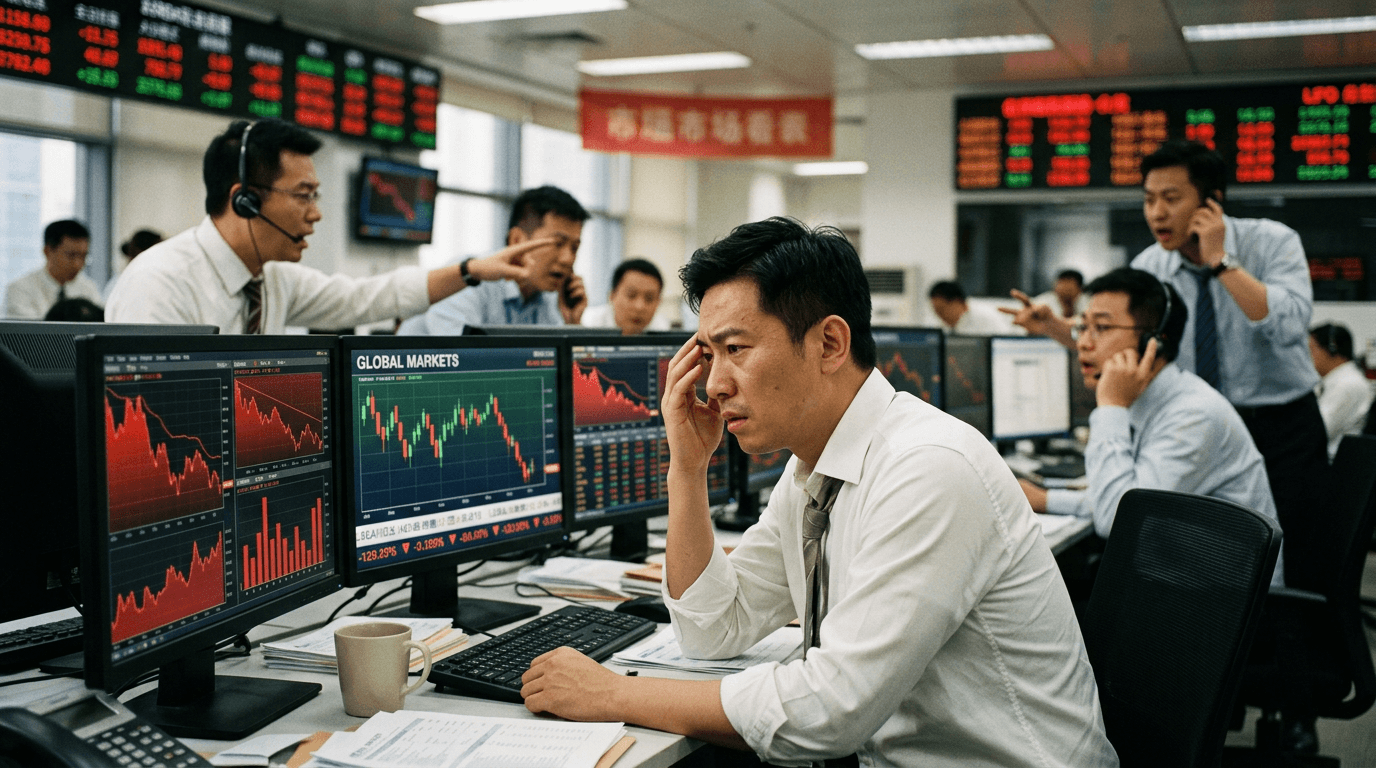
This dramatic tariff increase triggered significant market reactions worldwide. Currency markets experienced volatility, affecting the US dollar, Chinese yuan, and broader exchange rates, especially in emerging markets reliant on trade. Stock markets reflected apprehension about corporate earnings, particularly for companies with substantial exposure to China or reliant on Chinese supply chains. The escalation added a layer of uncertainty across sectors, including technology, manufacturing, agriculture, and consumer goods. Investors grappled with the potential for further retaliation and an unpredictable policy landscape, while supply chain managers reevaluated sourcing strategies and pricing models. There was also a broader concern about the potential of these trade tensions to dampen global economic growth during a period of lingering economic challenges.
An Opening for Negotiation?
Despite the aggressive posture of the 125% tariff, the announcement left room for negotiation. Historically, such tariff announcements have sometimes been starting points for broader negotiations rather than final policy decisions. The scale of this escalation suggested that both sides might eventually seek de-escalation, although the timeline and terms were uncertain. Some analysts believed that China's move could push both governments towards negotiations, as the economic impact of sustained high tariffs would be substantial for both. Consequently, the announcement was interpreted by some market participants not as the definitive end of trade policy but as a strategic move that might lead to future discussions aimed at finding a resolution.
Key Insights for Market Participants
For traders, investors, and business leaders, China's 125% tariff announcement highlighted several critical insights. First, trade policy has become increasingly volatile and unpredictable, necessitating constant monitoring and adaptive strategies. Second, companies need to assess their exposure to US-China trade tensions and consider hedging or diversifying their supply chains. Third, the tariff escalation demonstrated that trade negotiations could shift rapidly, creating both risks and potential opportunities for those prepared to leverage market disruptions. Finally, the broader economic implications extend beyond direct trade participants, influencing currency markets, debt markets, and global equity valuations. Businesses dependent on stable trade environments face new challenges in planning and forecasting, while those positioned to capitalize on supply chain relocations may find emerging opportunities.
The announcement of the 125% tariff marked a pivotal moment in the US-China trade relationship, demonstrating both governments' willingness to endure economic pain to pursue their strategic goals. The ultimate question remains whether this level of tension can be sustained or if it will eventually prompt a recalibration and a return to negotiations.