
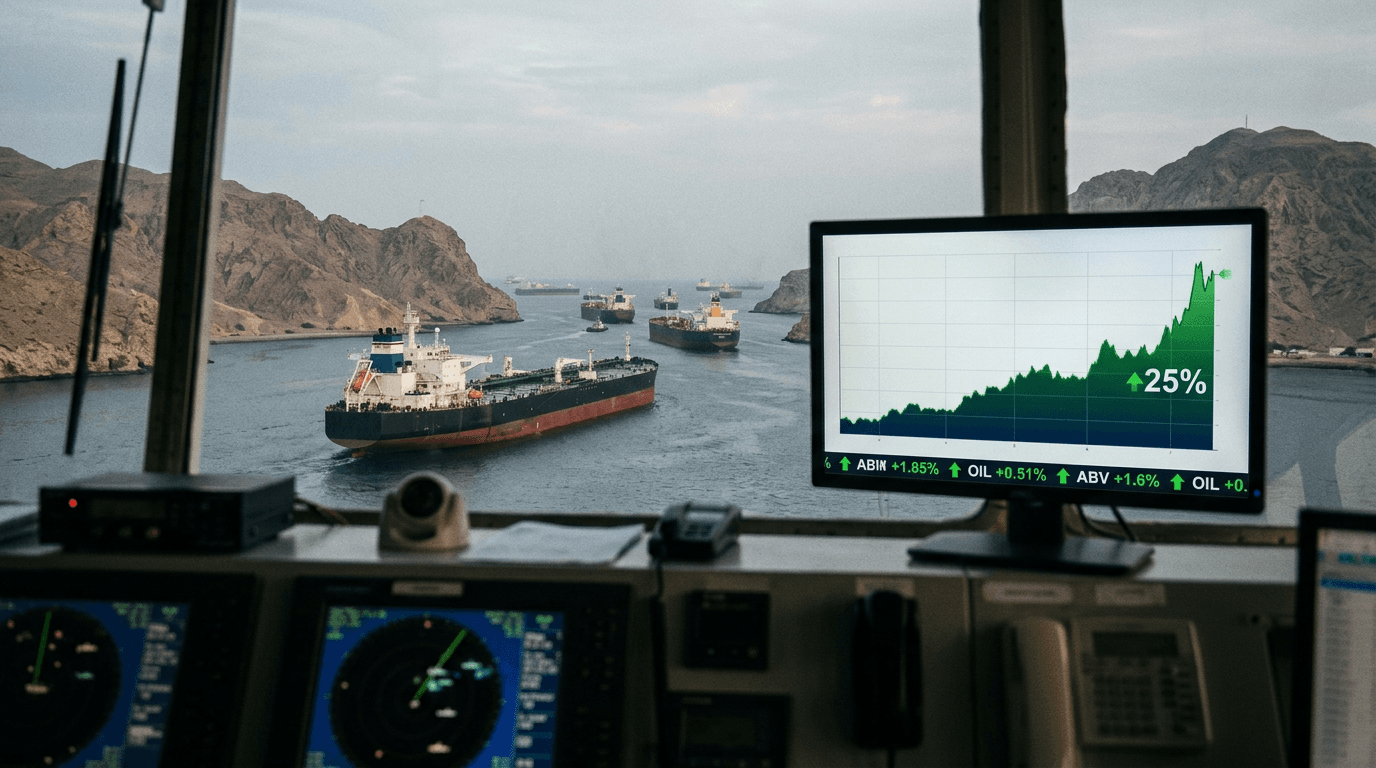
The global energy markets are experiencing unprecedented disruption as crude oil prices surge in response to escalating conflict in Iran. Over the past week, Brent crude has climbed above $93 per barrel, representing a staggering 25% weekly increase, while US crude posted its largest weekly gain on record with a 12% jump on Friday alone, the biggest daily move in nearly six years. For traders and investors monitoring energy markets, this volatility underscores the fragile interconnection between geopolitical stability and commodity prices, with many analysts warning that further price increases are imminent if current tensions persist.
Understanding The Current Price Surge
The recent 10% climb in crude oil prices represents just the beginning of what could become a much larger market move. According to energy traders and market executives, we are witnessing what many describe as the worst disruption to global energy markets in recorded history. Despite this dramatic characterization, current prices remain notably lower than during previous Middle East crises, suggesting that markets may not yet be fully pricing in the potential long-term impact of the ongoing conflict.
The benchmark Brent crude surge to over $93 per barrel in a single week demonstrates how quickly energy markets can react to geopolitical shocks. This rapid ascent reflects underlying anxiety about supply disruptions, even as the full extent of market stress has not yet materialized. Traders are closely monitoring whether this price momentum will continue to build or stabilize as markets digest the developing situation.
The Strait Of Hormuz Bottleneck
At the heart of current energy market concerns lies the Strait of Hormuz, one of the world's most critical chokepoints for global oil transit. Recent reports indicate that ship movement through this vital waterway has nearly come to a standstill, creating a severe logistics crisis for global energy flows. This disruption is not merely theoretical—it is actively constraining the movement of oil to international markets, with tangible consequences for supply availability.
The most alarming indicator of potential supply shortages is the rapid depletion of empty oil supertankers in the Gulf region. Normally, an abundance of empty tankers waiting to be filled ensures smooth oil distribution. As this inventory of empty vessels declines sharply, it signals that output will soon need to be curtailed. Qatar has already issued explicit warnings about this scenario, suggesting that producers may be forced to reduce production if shipping capacity becomes prohibitively constrained. This supply contraction could trigger the price acceleration that traders are now anticipating.
TRADER WARNINGS AND THE $100 MILESTONE
Energy traders and executives are sounding increasingly urgent alarms about where prices could move next. The prevailing consensus among major market participants points toward crude oil reaching $100 per barrel within days to weeks if current conditions persist without de-escalation. Bob McN, president of a leading energy consulting firm and former White House official, articulated this outlook directly: "We see Brent reaching $100 a barrel and above in the coming days to weeks once the market accepts that the Hormuz closure is a week-long event rather than a brief disruption."
The critical variable in this scenario is market perception. Currently, many participants appear to be treating the disruption as temporary, which is restraining upward price momentum. However, as evidence accumulates that the conflict may persist, market psychology could shift dramatically. This psychological tipping point represents the true inflection point that traders need to monitor, as it could unleash accelerated buying and price discovery to higher levels.
Secondary Market Stress Signals
Beyond crude oil itself, energy markets are displaying additional stress signals that suggest deeper problems emerging. Diesel and jet fuel prices have spiked significantly, driven by refinery shutdowns and reduced output across Asia and the Middle East. These secondary price increases indicate that the energy market disruption is spreading beyond crude to refined products essential for transportation and aviation.
This cascading effect is particularly important for traders to understand because it suggests systemic stress building across the energy complex. When refining capacity becomes constrained and multiple fuel products surge simultaneously, it often precedes broader inflationary pressures that can impact everything from shipping costs to airline fares to consumer energy bills.
Key Takeaways For Traders And Investors
For those monitoring energy markets, several critical insights emerge from the current situation. First, current oil prices may not fully reflect the worst-case disruption scenarios being discussed by major market participants. Second, the supply chain mechanics of the Strait of Hormuz and tanker availability create concrete physical constraints that could force rapid price adjustments once they become binding. Third, trader positioning and psychological acceptance of a prolonged disruption could serve as the catalyst that propels prices through psychological resistance levels like $100 per barrel.
The energy market is approaching an inflection point where geopolitical reality may finally align with pricing. For traders, this represents both significant risk and opportunity, depending on positioning and risk management discipline.