
WHEN DIPLOMACY FALLS SHORT: THE IMPACT OF FAILED IRAN-US TALKS ON GLOBAL MARKETS
April 12-13 marked a pivotal moment in the ongoing conflict in West Asia. The much-anticipated direct dialogue between the United States and Iran, the first of its kind since 1979, concluded in Islamabad without resolution. Hopes for a diplomatic breakthrough were dashed, highlighting the deep-seated rift between these two nations. The immediate fallout has been felt across global financial markets, with oil prices climbing above $100 per barrel and increased volatility in forex and equities.
The Islamabad Talks: A Missed Opportunity
In a rare diplomatic effort, Pakistan hosted the high-stakes negotiations, providing a neutral platform for the US and Iran to engage directly. The talks, led by US Vice President J.D. Vance and senior Iranian officials, extended over 21 hours. Despite the exhaustive discussions, the delegations departed without reaching an agreement. Pakistani mediators facilitated the dialogue, but even their efforts could not bridge the gap between the two sides.
Pakistan, with its unique position of maintaining friendly relations with both Washington and Tehran, offered a rare opportunity for dialogue. However, the negotiations ultimately highlighted the complexities of Middle Eastern geopolitics. Iranian officials noted that while progress was made on certain issues, critical sticking points remained unresolved. As Iran's Foreign Minister Abbas Araghchi put it, "maximalism, shifting goalposts, and blockade" hampered the talks. Vice President Vance left with the assertion that the US had presented its "best, final offer."
Nuclear Disputes And A Lack Of Trust
At the heart of the failed negotiations was the contentious issue of Iran's nuclear program. The US demanded the cessation of uranium enrichment, dismantling of key facilities, and removal of enriched uranium from Iran. Tehran viewed these demands as excessive, equating them to an ultimatum rather than a compromise.
Iran's apprehensions extended beyond the nuclear agenda. Having suffered bombings during the conflict, Tehran sought assurances that any concessions would be met with genuine peace efforts. Iranian Parliament Speaker Mohammad-Baqer Qalibaf emphasized the lack of trust, stating, "the US side ultimately failed to gain the trust of the Iranian delegation."
The broader geopolitical context cannot be overlooked. With the conflict ongoing for six weeks and resulting in significant Iranian losses, officials believed that their strategic position, particularly control over the Strait of Hormuz, granted them leverage. Tehran was unwilling to concede without assurances against future hostilities. Additionally, Iran rejected US demands to cease support for regional militant groups and to open the Strait of Hormuz without imposing toll charges.
Naval Blockade: Trump's Response
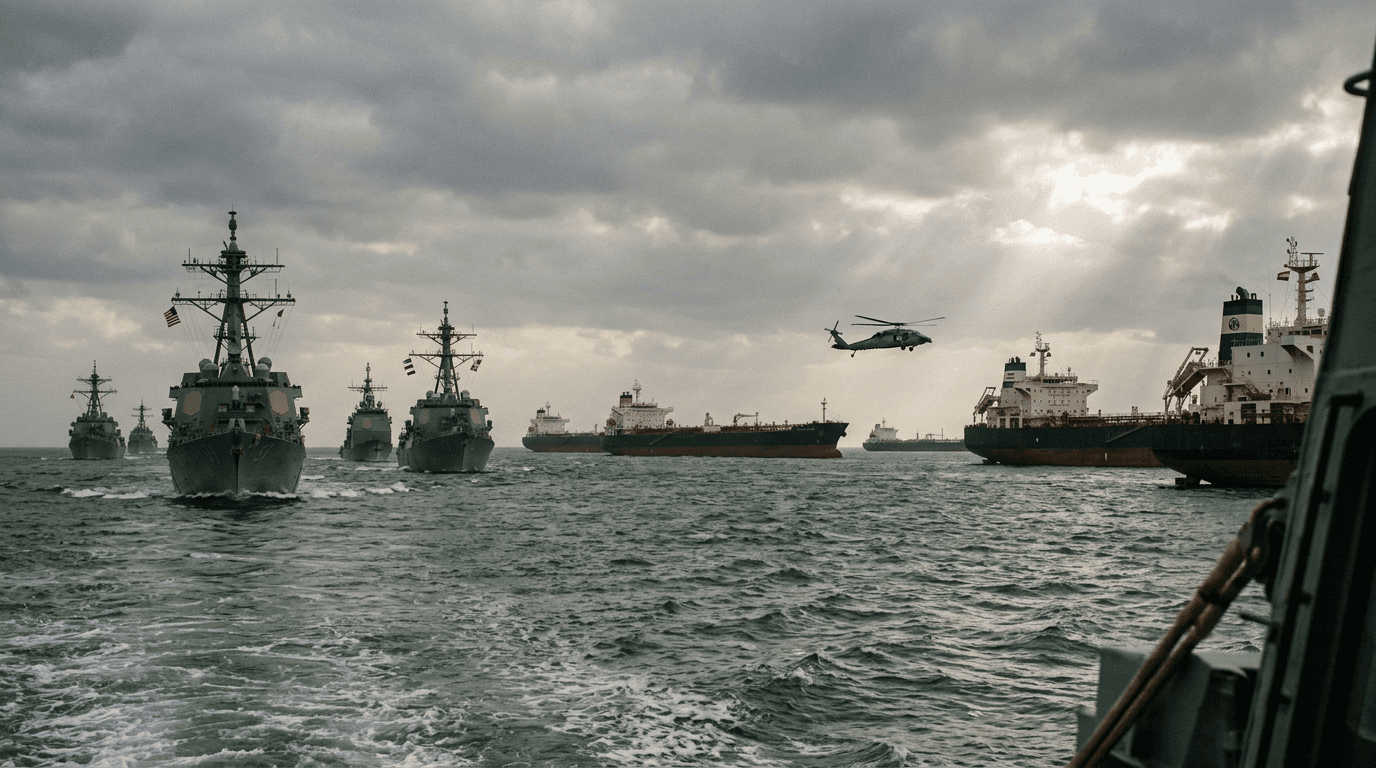
In response to the stalemate, President Trump swiftly announced a naval blockade of Iranian ports. This move signifies a shift from military engagement to economic pressure, aiming to weaken Iran's economy and force its hand in future negotiations. The blockade threatens global energy security, given the Strait of Hormuz's critical role in oil transport.
Market Impact And Investor Concerns
The failed talks and subsequent blockade announcement sent shockwaves through financial markets. Crude oil prices surged past $100 per barrel, driven by increased supply risks and geopolitical uncertainty. This spike in energy prices has rippled through global markets, affecting equity valuations and bond yields as investors reassess inflation threats.
Japanese 10-year yields soared to 29-year highs, signaling widespread market stress as investors moved away from riskier assets. Forex markets experienced significant shifts, particularly in safe-haven currencies and those tied to oil. For traders, the current climate necessitates close monitoring of geopolitical events, commodity trends, and central bank actions addressing inflation.
Future Outlook
Despite the setback, Pakistan's High Commissioner to Canada indicated that Islamabad remains committed to facilitating communication between the US and Iran. There is potential for renewed negotiations, though the ceasefire in place is fragile, with an April 22 deadline looming. Pakistani mediators remain hopeful that sustained diplomatic efforts could yield progress.
The situation remains delicate. Without planned high-level discussions and with sanctions intensifying, the risk of renewed tensions is high. Traders must stay vigilant as further escalation could lead to additional oil price increases and prolonged market volatility.