
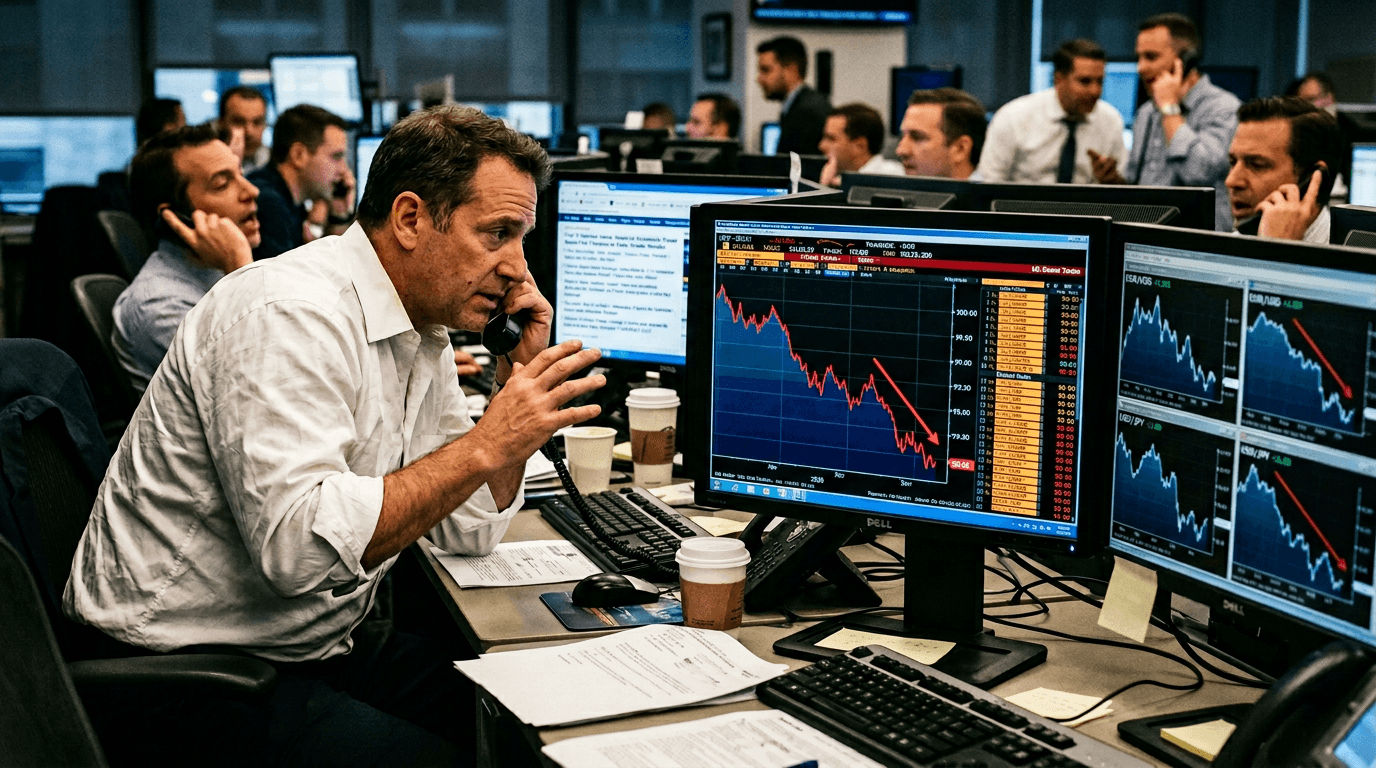
The US Dollar Index has smashed through a psychological threshold that traders have monitored for years. For the first time since July 2023, the DXY descended below the 100 mark, reaching a low of 99.74. This isn't just a minor market fluctuation; it signals a profound transformation in global currency dynamics, reshaping the terrain for forex traders worldwide. This shift underscores a confluence of macroeconomic pressures, policy changes, and geopolitical developments, fundamentally altering capital flows and investor sentiment across currency markets.
Breaking the 100 Barrier: What's at Stake?
The 100 level on the US Dollar Index is more than a mere figure on a trading chart. For traders and analysts, it has functioned as a vital technical support and psychological benchmark for over a decade, embodying institutional confidence and broader perceptions of dollar strength. When such crucial levels are breached amid high trading volumes, it indicates genuine institutional repositioning rather than transient market noise. The rise in volume during this breakdown reveals that major players are actively shedding dollar positions, signaling a serious reassessment of the dollar's fundamental strength in today's market environment.
The magnitude of the move adds depth to its significance. The Dollar Index retreated from a January 2026 peak of 110 to breaking below 100—a drop of more than 1000 basis points in just a few months. This is not merely a technical correction but a dramatic reversal of earlier expectations when Wall Street anticipated dollar strengthening following recent political shifts.
The Perfect Storm: Multiple Pressures on the Greenback
Understanding the dollar's dramatic weakening requires examining several converging factors. Historically, the foundation of dollar strength has rested on attractive US interest rates drawing global capital seeking superior yields. However, as the Federal Reserve halts its rate-hiking cycle and markets anticipate steady or declining rates throughout 2026, this crucial support mechanism has significantly weakened. With rate cuts potentially looming, the yield advantage that previously buoyed dollar demand has essentially vanished.
Beyond monetary policy, escalating trade tensions have created sustained selling pressure. Wall Street had expected a dollar surge after recent political developments, yet the greenback has slipped more than 7 percent since inauguration, defying conventional expectations. Ongoing uncertainties surrounding aggressive tariff strategies and deteriorating trade relationships, particularly with China, continue to heavily weigh on investor confidence in dollar-denominated assets. These protectionist policies have sparked growing concerns about recession risks, further diminishing demand for dollar-backed investments.
Geopolitical developments have also meaningfully shifted investor sentiment. News of potential ceasefire talks between Iran, the US, and regional mediators initially pressured the dollar as investors moved away from traditional safe-haven assets. As global risk appetite expands and geopolitical tensions ease, the safe-haven allure of US assets naturally wanes, reducing dollar demand precisely when monetary support is already dwindling.
Technical Breakdown: A Warning for Bulls
From a technical standpoint, the dollar's breach of the 100 level sends alarming signals for bulls. The 50-day moving average has fallen below the 200-day average, forming what technicians refer to as the ominous "death cross." This bearish signal typically suggests ongoing selling pressure and diminished momentum rather than a temporary setback. The pattern of descending highs and lows on daily charts confirms systematic reduction in dollar exposure by institutional investors.
For traders monitoring support levels, the 98.50 zone now becomes critical, as this area remains untested since early 2023. Should the dollar break below this level, it could venture into unexplored territory. Conversely, resistance has formed in the 100.20 to 100.50 range; sustaining above this level could see attempts toward 101.60 or even 103. Given current trends and selling momentum, however, the risk of further decline appears elevated.
What Traders Should Watch Next
The dollar's trajectory moving forward depends significantly on upcoming economic data and Federal Reserve communications. Positive surprises in inflation or employment figures could swiftly reverse the dollar's weakness, while indications of slower growth or earlier rate cuts might push it substantially lower. Traders must vigilantly track economic calendars for employment data, inflation figures, and central bank announcements, as these catalysts will dictate whether this marks the beginning of a prolonged dollar decline or merely a pause in extended valuations.
Meanwhile, alternative safe-haven currencies are gaining traction. The Japanese Yen and Swiss Franc have emerged as prominent safe-haven alternatives as investors rotate away from dollar exposure. This shift reflects changing perceptions about risk and the relative appeal of different major currencies.
Key Takeaways for Forex Traders
The dollar's descent below 100 signifies a pivotal moment for currency markets. Traders who understand both technical cues and fundamental forces will be well-positioned to capture directional movements ahead. Monitor support at 98.50 and resistance at 100.50, track Fed communications and employment data closely, and recognize that volatility will likely continue offering ample trading opportunities for those prepared to navigate this shifting landscape with discipline and clear strategies.
News Impact Score: 7