
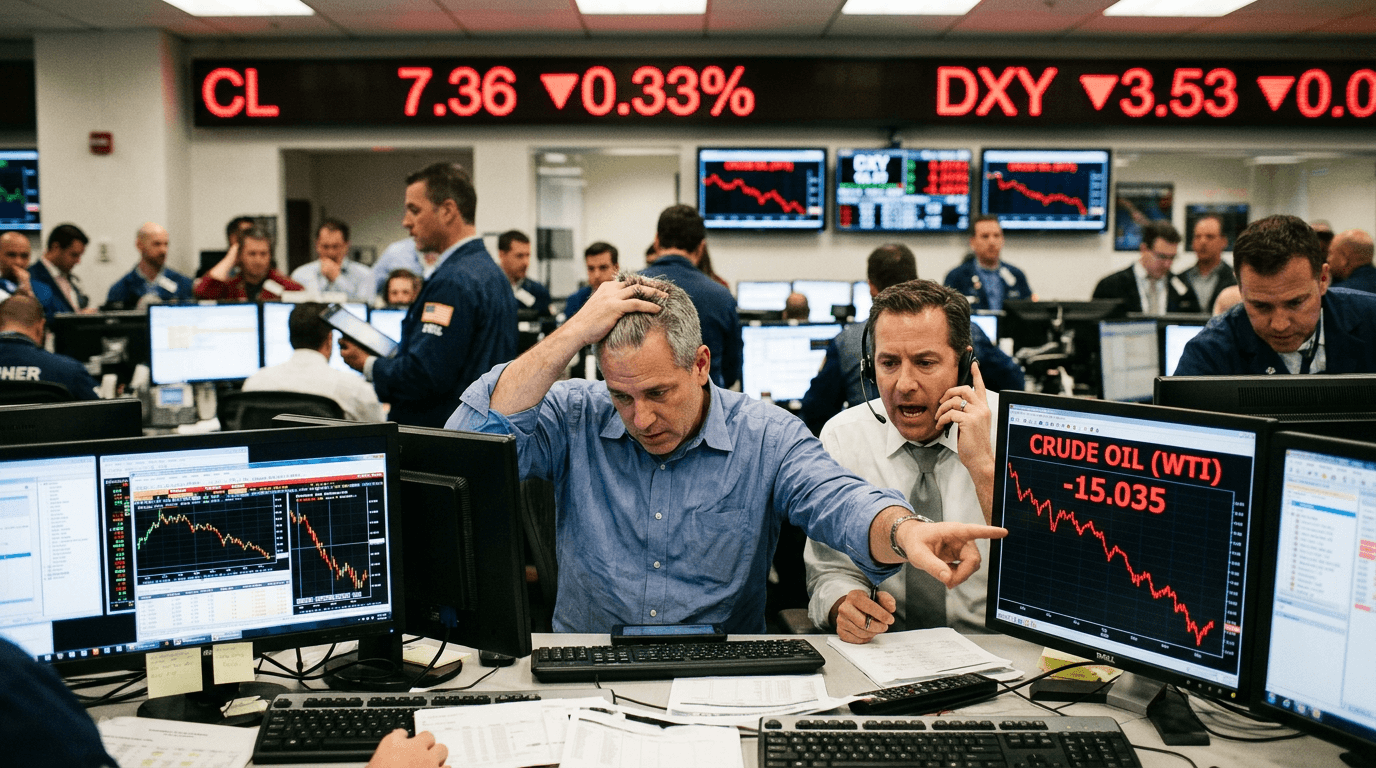
Geopolitical tensions have a way of reshaping markets in real time, and this week demonstrated exactly how quickly sentiment shifts when peace becomes a possibility. As growing optimism over a US-Iran peace agreement took center stage, crude oil prices plummeted, the US Dollar weakened, and risk appetite surged across financial markets. Understanding these interconnected movements is crucial for traders navigating the current environment where headlines can drive volatility faster than traditional economic data.
The Us-iran Peace Deal Catalyst
Wednesday's market action was dominated by a single narrative: the United States and Iran are reportedly moving closer to a deal. According to reports, the White House is nearing agreement on a one-page memorandum of understanding aimed at ending the ongoing conflict and establishing a framework for more detailed nuclear negotiations. President Trump's announcement to temporarily pause "Project Freedom"—the US military initiative to secure commercial shipping through the Strait of Hormuz—further validated this diplomatic momentum.
This diplomatic breakthrough matters because it directly addresses one of the primary drivers of energy market volatility over recent months. When tensions between major geopolitical powers ease, markets reward that reduction in uncertainty by shifting from risk-off to risk-on positioning. This fundamental sentiment change cascades across multiple asset classes, affecting everything from crude oil futures to currency pairs and equity indices.
Crude Oil's Sharp Correction
The most visible market reaction came in crude oil prices. Brent crude plunged approximately 7 percent on Wednesday, trading down to $102.35 per barrel from the previous close of $109.87. West Texas Intermediate fell even more sharply, dropping 7.5 percent to $94.55 per barrel. This represents a significant but measured pullback from the elevated levels driven by Middle East tensions.
It's important to contextualize these price movements. Before the US-Iran conflict escalated in late February, crude oil traded around $72.97 per barrel. The current price levels of roughly $91-102 per barrel still reflect a premium of approximately $18-30 per barrel attributable to geopolitical risk. Even with the dramatic decline, oil remains substantially elevated because the Strait of Hormuz remains closed to normal shipping traffic. The psychological shift from war to peace talks has compressed the risk premium, but the actual supply constraints persist until shipping lanes genuinely reopen and tankers can resume normal operations.
The Dollar Weakens On Risk-on Sentiment
When crude oil falls and geopolitical tension eases, the US Dollar typically faces headwinds. This dynamic played out precisely as expected. The Dollar Index weakened as investors rotated away from safe-haven assets and into risk currencies that benefit from a more favorable global growth environment.
This created ideal conditions for EUR/USD and GBP/USD to advance. Both currency pairs strengthened as European investors regained appetite for carry trades and risk exposure. The logic is straightforward: if Middle East tensions ease, global supply chains normalize, and oil costs decline, then the immediate threat to worldwide economic growth diminishes. In this environment, investors reward higher-yielding currencies over the traditional safe-haven dollar.
The Strait Of Hormuz And Supply Chain Implications
Understanding why these market moves matter requires recognizing the Strait of Hormuz's critical role in global energy markets. This waterway handles approximately one-third of global seaborne oil trade. When the strait effectively closes due to military conflict, tankers get trapped, delivery schedules collapse, and prices reflect the uncertainty premium.
Pakistan, which has been mediating talks between the US and Iran, signaled Wednesday that an agreement could materialize sooner rather than later. That statement alone sent Brent crude briefly toward $96 per barrel. The market is pricing in the scenario where shipping resumes, trapped tankers begin moving oil to customers, and global energy supply constraints ease. However, reports also indicate Iran has created a government agency to vet and tax vessels seeking passage, suggesting that even if peace materializes, commercial shipping may face new bureaucratic costs.
Key Takeaways For Traders
The current environment presents several tactical considerations. First, crude oil volatility should moderate if peace talks genuinely progress, but expect continued sharp swings based on diplomatic headlines. Second, currency pairs should continue benefiting from dollar weakness in a risk-on environment, though this depends on maintaining positive momentum toward an Iran deal. Third, energy-related stocks and indices—particularly oil importers like India and other Asian economies—stand to benefit from lower crude prices, potentially supporting equity market gains.
Traders should monitor three critical indicators going forward: official confirmation of a US-Iran deal framework, actual reopening of the Strait of Hormuz and shipping traffic resumption, and any new geopolitical escalations that could reverse current sentiment. Until these developments materialize, markets remain priced for cautious optimism rather than complete resolution of Middle East tensions.