
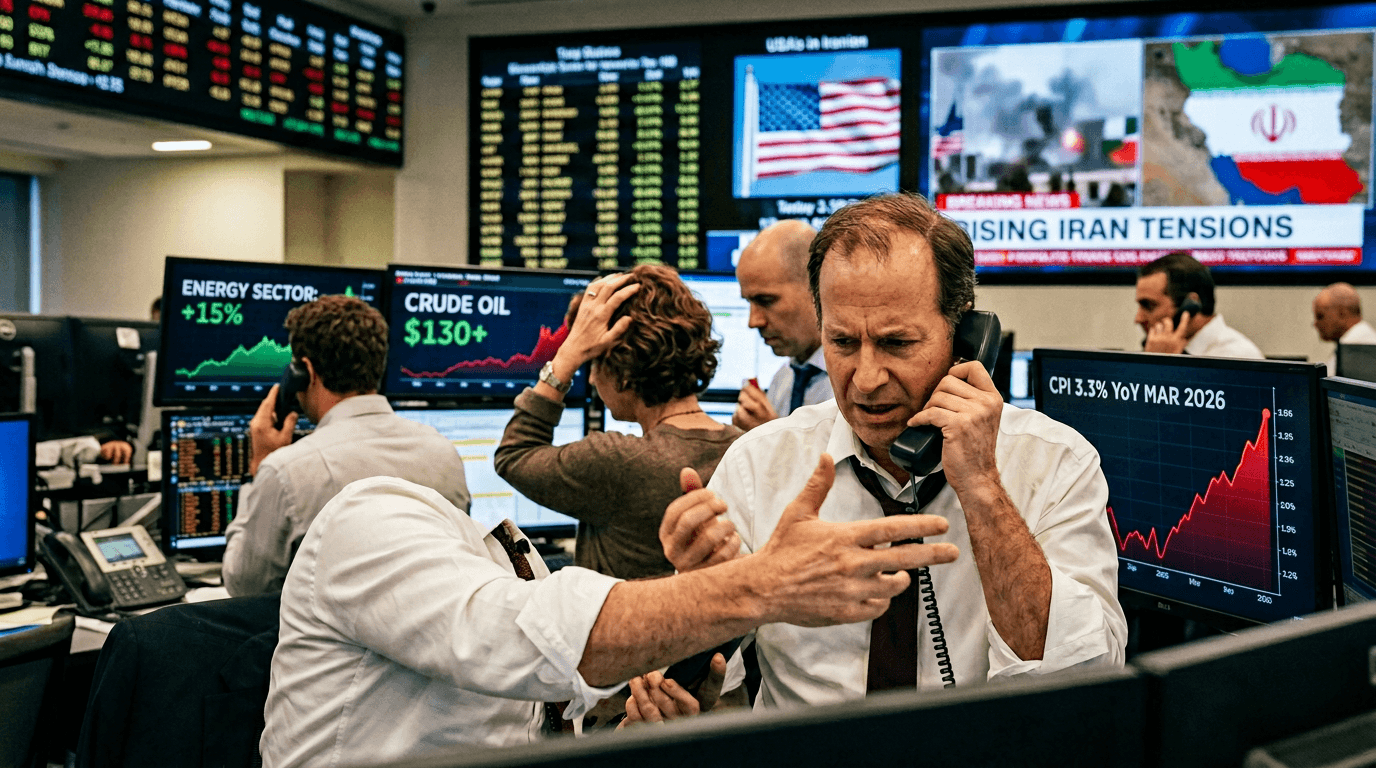
US Inflation Spikes Amid Energy Crisis and Geopolitical Tensions
In March 2026, US inflation surged to 3.3%, the highest since May 2024, signaling a sharp shift from the low-inflation landscape earlier in the year. This unexpected rise coincides with escalating geopolitical tensions, particularly the ongoing conflict with Iran, raising significant concerns about its implications for the economy and Federal Reserve policy.
The Energy Shock: A Driving Force Behind Inflation
The inflation spike in March was predominantly driven by the energy sector. The energy index skyrocketed by 12.5% annually and 10.9% monthly. Notably, gasoline prices experienced their largest monthly increase since records began in 1967, leaping by 21.2% and accounting for a substantial portion of the overall monthly inflation. Fuel oil also saw a steep rise, climbing 44.2% annually, as the Iran conflict disrupted global energy supply chains.
Month-over-month, consumer prices increased by 0.9%, marking the largest rise since June 2022, starkly contrasting the 0.3% rise in February. This dramatic change underscores how susceptible inflation is to supply shocks, particularly in the energy sector. For traders and investors, this data highlights the significant influence of external geopolitical events on inflation, rather than domestic demand pressures.
Beyond Energy: A Broader Inflation Perspective
While energy dominated March's inflation narrative, it's crucial to examine the broader economic picture. Core inflation, excluding food and energy, rose modestly to 2.6% annually, with a mere 0.2% monthly increase. This indicates that underlying price pressures in the broader economy remain relatively stable, offering some reassurance to policymakers concerned about persistent inflation issues.
Food prices remained steady, with an annual inflation rate of 2.7%, and shelter inflation held at 3% annually. The decline in used car and truck prices by 3.2% further illustrates that the inflation challenge is largely concentrated in the energy sector, rather than being widespread across multiple sectors.
Implications for Federal Reserve Policy and Markets
The headline inflation figure of 3.3% could complicate the Federal Reserve's policy decisions, especially if markets were anticipating rate cuts due to moderating inflation. However, the situation is more nuanced. The Fed closely monitors core inflation, which remains relatively benign at 2.6%, being less susceptible to temporary supply shocks. This distinction is crucial for trading strategies.
For traders, the key question is whether the Fed will interpret the March spike as a temporary energy-driven anomaly or the start of a new inflationary trend. Given the significant impact of the Iran conflict on energy prices, the inflation scenario could change dramatically if geopolitical tensions ease or peace talks progress—both possibilities highlighted in recent market analyses.
What Traders and Market Participants Need to Know
For SimFi traders and investors, this inflation report presents several critical considerations. First, the energy sector is now a focal point, with prices driven by geopolitical risks rather than demand fundamentals. This presents both trading opportunities and considerable uncertainty.
Second, the gap between headline and core inflation is significant. While the headline figure of 3.3% may seem alarming, the core rate of 2.6% presents a different narrative about underlying price pressures. Markets that grasp this distinction will be better positioned than those reacting solely to the headline number.
Third, expect volatility in currency markets and equities as traders adjust their interest rate expectations. Initial Dollar weakness suggests some traders anticipated rate cuts before this report; the actual outcome will depend on the Fed's interpretation of the data and evolving geopolitical tensions.
Fourth, fixed-income traders should watch the timing of potential Fed decisions closely. If the Iran situation stabilizes and energy prices normalize, inflation could decrease, supporting rate cut arguments. Conversely, if energy prices remain high, the Fed may adopt a more hawkish stance.
Strategic Takeaways for Traders
The March inflation report underscores that macroeconomic data is not isolated—geopolitical events play a pivotal role. Energy prices can shift dramatically due to international conflicts, impacting inflation metrics and monetary policy.
As a trader, focus on the core inflation narrative, closely monitor geopolitical developments, and recognize that this inflation spike is likely temporary unless the Iran conflict persists. Keep an eye out for US-Iran peace talks, as these could be pivotal events affecting inflation expectations.
Finally, anticipate the April CPI release on May 12, 2026. Until then, energy prices and Middle Eastern news will be your primary inflation indicators. Adjust your portfolio strategy accordingly.
News Impact Score: 7