
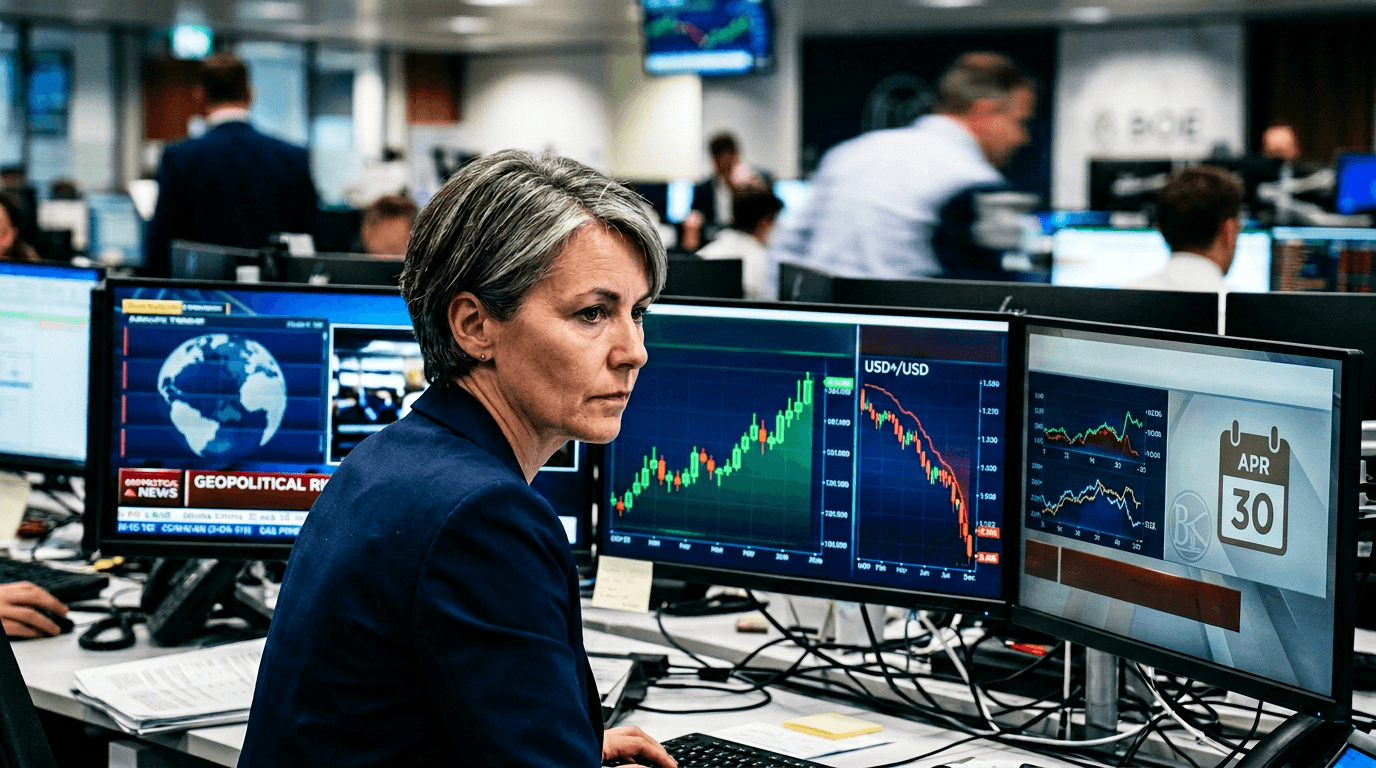
Sterling is treading a fine line as the GBP/USD pair nudges higher to around 1.3365 amid a waning US Dollar, but persistent uncertainties surrounding the Iran conflict continue to limit further advances. The pair's recovery follows President Trump's announcement of a two-week ceasefire with Iran, initially triggering a wave of risk-on sentiment that diminished the dollar's safe-haven appeal. Yet, the tenuous nature of diplomatic efforts and the significant divide between opposing sides suggest that any additional gains may be short-lived. With significant economic data on the horizon and the Bank of England meeting scheduled for April 30, forex traders are navigating a complex landscape where geopolitical developments and monetary policy divergence will steer sterling's direction.
The Iran Ceasefire: A Cautious Reprieve
The announcement of a two-week suspension in military actions against Iran initially propelled the GBP/USD pair from the low 1.3200s into the upper 1.3300s, reclaiming territory above pivotal moving averages. This rally mirrored the typical market response to reduced geopolitical risks, with safe-haven currencies like the US Dollar losing allure as investors pivot towards higher-yielding assets. The psychological 1.3400 level emerged as a key target for traders amid this risk-on environment. However, the optimism surrounding the ceasefire is tempered by fundamental factors that cast doubt on enduring peace. Iran's public dismissal of the ceasefire, coupled with its demand for a permanent cessation of hostilities and sanctions relief, underscores the fragile nature of the agreement. Analysts note this marks Trump's fourth deadline extension, with previous pause periods followed by collapsed negotiations and renewed pressure on risky assets. Prediction market pricing indicates a mere 22.5 percent chance of a lasting ceasefire by the end of April, reflecting deep market skepticism regarding the agreement's durability.
Bank Of England's Policy Dilemma
The Iran crisis has created a highly challenging environment for the Bank of England's policy deliberations. Prior to the Middle Eastern conflict, markets anticipated two to three interest rate cuts for 2026. However, the energy shock from Iran's oil export disruptions erased those expectations. By late March, derivative markets had pivoted to pricing in four quarter-point interest rate hikes by year-end, driven by fears of rising oil and gas prices affecting UK inflation. This abrupt shift underscores the BoE's challenging policy trade-off. Elevated energy costs pose a risk of persistent inflation, traditionally warranting higher rates. Meanwhile, the BoE has maintained rates at 3.75 percent since December 2025, voting unanimously to stay put at the March meeting. UK services PMI recently dropped sharply to 50.5, the weakest in eleven months, as Middle Eastern tensions dampened business confidence and growth prospects. With the BoE meeting set for April 30, the central bank faces substantial uncertainty in deciding whether to tighten, ease, or hold steady amid geopolitical turbulence clouding the economic outlook.
Technical Indicators And Shifting Risk Sentiment
From a technical standpoint, GBP/USD continues to consolidate with opposing forces influencing short-term direction. The surge toward 1.3400 post-Iran ceasefire announcement tested overhead resistance, but the pair has since retreated slightly as traders assess the low likelihood of a durable diplomatic resolution. The 50 and 200-period hourly moving averages have become vital reference points for both bullish and bearish market participants. Support levels in the low 1.3200s remain crucial should risk sentiment deteriorate further. The broader dollar weakness observed during the ceasefire announcement reflects capital rotation from traditional safe-haven positioning to growth-focused assets. However, this risk-on positioning remains delicate and susceptible to sudden reversals if geopolitical headlines worsen. Trading volumes near key psychological levels like 1.3400 and 1.3365 indicate cautious positioning by both buyers and sellers, awaiting confirmation of sustained diplomatic progress before committing significant capital.
Upcoming Catalysts And Market Direction
The coming days and weeks will bring several market-moving catalysts that could either stabilize or destabilize the GBP/USD pair. US Non-Farm Payrolls (NFP) data, a significant driver in currency markets, could provoke new dollar movements regardless of the Iran situation. The Federal Reserve's policy guidance will also play a crucial role, particularly any signals regarding the timing and pace of interest rate cuts. The divergence between Fed easing expectations and BoE policy uncertainty remains a core fundamental driver. Markets had been pricing Fed rate cuts at over 40 percent, while BoE rate cut odds fell below 20 percent following recent UK wage growth data. The expanding yield spread between UK Gilts and US Treasuries offers structural support for sterling valuations, independent of short-term geopolitical volatility. The BoE's April 30 meeting represents a pivotal moment where the central bank must articulate its policy direction amid conflicting inflation and growth signals.
Trading Implications For Market Participants
In this environment, careful risk management and scenario planning are essential. GBP/USD traders should develop contingency plans for a breakdown in Iran peace talks that could reignite risk-off positioning and bolster the dollar's safe-haven appeal, as well as for further diplomatic progress that could extend the risk-on narrative. Meanwhile, the underlying policy divergence between the BoE and the Federal Reserve suggests that any sterling setback could attract buyers seeking higher carry and yield opportunities. Long-term investors should closely monitor the BoE's April 30 decision, as clear communication regarding the central bank's inflation outlook and policy trajectory could provide a more stable basis for sterling valuations beyond current geopolitical noise. The overarching message remains that while the Iran ceasefire offers temporary relief, the fragility of negotiations implies that sterling's gains will stay limited until a genuine peace accord materializes or markets shift their focus entirely to economic fundamentals and monetary policy divergence.
---