
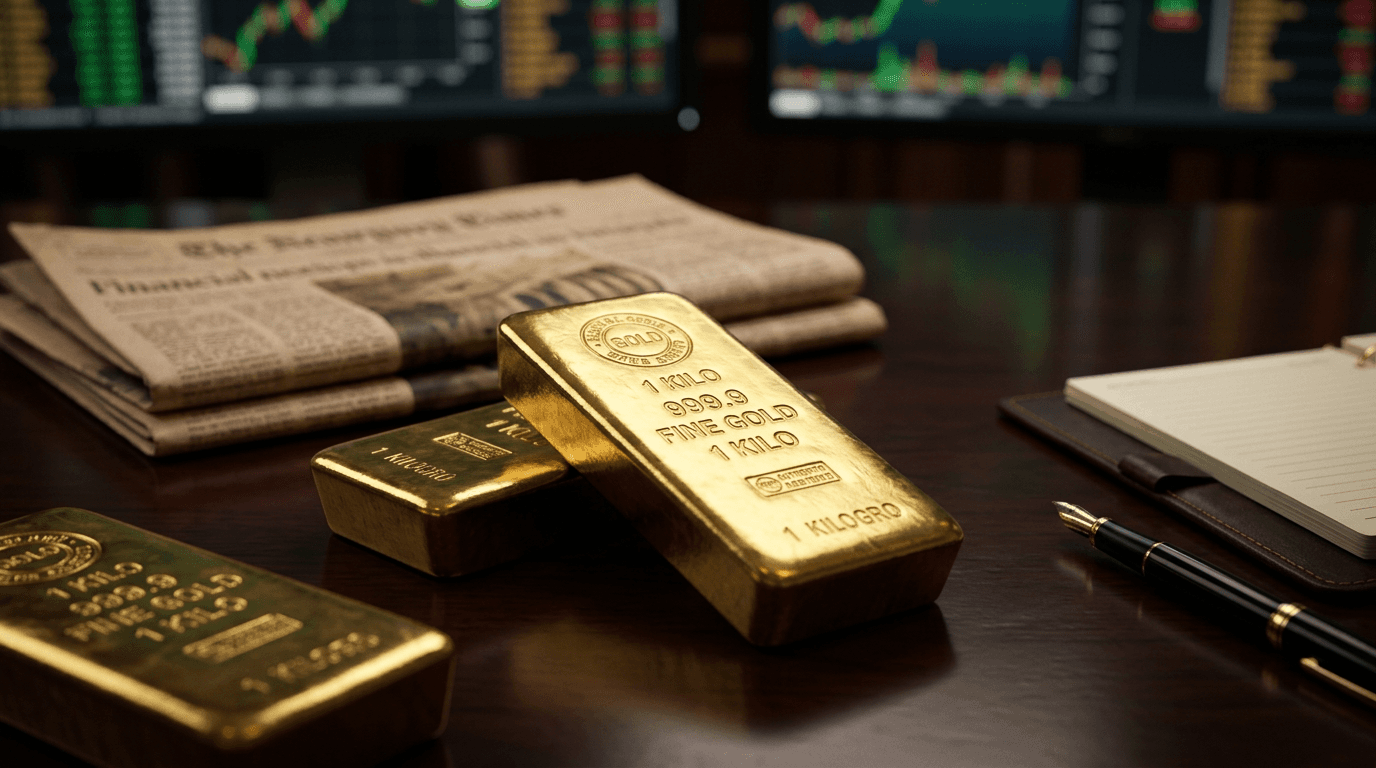
Gold prices have shot up past $5,350 per ounce as rising tensions in the Middle East underscore the value of precious metals as a reliable crisis hedge. The escalation between the US, Israel, and Iran has ignited a robust safe-haven rally, redirecting billions from equities into the sanctuary of gold. With a striking 22% gain in 2026, this surge highlights the powerful mix of geopolitical risk and market volatility that defines today’s trading dynamics.
The Anatomy Of Safe-haven Demand
Geopolitical turmoil often sends investors rushing to safety, and the recent rise in gold prices to $5,391.60 exemplifies this classic behavior. As tensions in the Middle East escalated, investors fled equities and other volatile assets in favor of stable options like government bonds, the US dollar, and notably, gold. Spot prices climbed 2.74% in just one session, signaling a strong demand for security. Predictions from major banks such as JPMorgan and Bank of America suggest gold could soar to $6,000 if the geopolitical climate worsens, indicating an 11% potential upside.
The rapidity of this market shift is striking. As soon as military actions by the US and Israel against Iran were confirmed, gold saw an immediate influx of investments. This swift reallocation was not a slow, measured process but rather a rapid adjustment to perceived risk, illustrating the market's agility in response to geopolitical surprises. In trading hubs like Dubai, physical gold demand has surged, with supply constraints emerging amid overwhelming buying pressure.
Geopolitical Catalysts Driving The Move
Gold’s recent climb is largely fueled by heightened military tensions involving the US, Israel, and Iran. After initial strikes from Washington and Tel Aviv, Iran retaliated with attacks on Israel, the UAE, and Qatar, suggesting a broader conflict. Iranian statements hinting at potential ground operations have further escalated concerns about regional stability.
Beyond direct conflict, there are worries about key infrastructures like the Strait of Hormuz, a critical chokepoint for global oil supplies. Potential disruptions here have already sent oil prices soaring, contributing to inflation worries in energy-reliant economies. Traders are acutely aware that prolonged supply interruptions could lead to significant oil price spikes, complicating monetary policy decisions and exacerbating inflation pressures that central banks are already struggling to manage.
The geopolitical landscape remains fraught with uncertainty, with no clear resolution in sight. This unpredictability, coupled with significant military capabilities on both sides, keeps investors defensive, maintaining strong demand for gold and other safe-haven assets.
Inflation And Monetary Policy Collide
While geopolitics primarily drive gold’s ascent, shifting Federal Reserve policies have also played a crucial role. Reduced expectations for aggressive interest rate cuts, paired with ongoing inflation concerns exacerbated by rising global energy costs, create a complex monetary backdrop. The Fed faces a balancing act: aggressive rate cuts risk fueling inflation, while holding rates high could harm economic growth if it slows significantly.
Gold thrives in this uncertain environment, serving as a hedge against various scenarios. Persistent inflation boosts gold as a real asset hedge, while geopolitical turmoil might prompt central banks to ease aggressively, favoring gold through declining real interest rates. Recent Fed statements reveal a consensus to maintain current rates, though uncertainty about future actions remains a positive factor for gold, which benefits when traditional financial assets lack direction.
A weaker US dollar has further boosted gold prices, making it more attractive to international investors and expanding safe-haven demand beyond US borders.
Trading Implications And Takeaways
For traders using platforms like E8 Markets, gold’s current trajectory offers vital insights. Geopolitical events can trigger rapid, significant shifts in defensive assets, even when the initial issues seem localized. The global market’s reaction to Middle East tensions shows that regional conflicts have far-reaching economic impacts. Gold’s momentum often accelerates when geopolitical stress is compounded by economic uncertainties, especially concerning inflation and monetary policy.
Technical indicators are crucial in such an environment. Breaking past $5,350 suggests further potential, with institutional targets of $6,000 reflecting strong confidence from key market players. However, traders should recognize that rallies driven by geopolitical fears can be volatile and subject to quick reversals if tensions ease or diplomatic efforts succeed.
The key question is whether Middle East tensions will stabilize or intensify. De-escalation could lead to profit-taking and reduced safe-haven demand, potentially lowering gold prices. Conversely, continued escalation could quickly drive prices toward $6,000. For traders, staying updated on geopolitical developments and diplomatic efforts is as crucial as traditional technical and fundamental analysis.
Looking Forward
Gold’s current rise represents a logical response to real risks. Safe-haven demand remains strong and justified under these conditions. However, traders should keep in mind that geopolitical-driven rallies, while often substantial, can be short-lived. Developing strategies around gold requires weighing confidence in the safe-haven narrative against the possibility of unexpected shifts in geopolitical situations, whether toward escalation or resolution.