
1. Output ONLY article content in PLAIN TEXT format 2. Start directly with the first paragraph - NO introductory text 3. Use ALL CAPS for section headings on their own line 4. Separate paragraphs with blank lines 5. Include 3-5 main sections with clear takeaways 6. Make it engaging and educational 7. 800 words approximately 8. Then provide TITLE, EXCERPT, and NEWSIMPACTSCORE at the very end
Key information from search results: - Gold hit record highs above $4,600 per ounce in January 2026 (based on articles with Jan 12 dates) - Key drivers: geopolitical tensions (Iran), Fed independence concerns, US dollar weakness, safe-haven demand - The articles mention US-Iran tensions, Venezuela tensions, US jobs data weakness - Political pressure on Fed Chair Jerome Powell regarding independence - Dollar weakness contributing to gold rally - Precious metals (silver, platinum) also hit record highs
I need to write this in plain text, with NO markdown, NO HTML, just plain text with ALL CAPS section headings on their own lines.
The user mentions the context includes "US-Iran tensions and Dollar hammering from Japan intervention" though I don't see specific Japan intervention mentioned in the search results provided.
Let me structure this: 1. Opening paragraph setting the scene 2. Understanding the Safe-Haven Rally 3. Geopolitical Pressures Fuel Demand 4. The Fed Independence Factor 5. What This Means for Traders 6. Conclusion
Let me write approximately 800 words in plain text format.
Gold prices have surged to fresh record highs above $4,600 per ounce, marking a pivotal moment in precious metals markets as investors seek shelter from mounting global uncertainties. This rally reflects more than just routine commodity trading—it signals deep-seated concerns about geopolitical stability, monetary policy independence, and currency strength that are reshaping market dynamics in 2026.
The Anatomy Of A Safe-haven Rally
When gold breaks through psychological barriers like $4,600, it's rarely about the metal itself. Instead, it reflects investor sentiment about the world around us. Safe-haven demand occurs when market participants lose confidence in conventional assets like stocks and bonds, or when they fear currency devaluation. Gold, with its finite supply and universal acceptance, becomes the ultimate insurance policy.
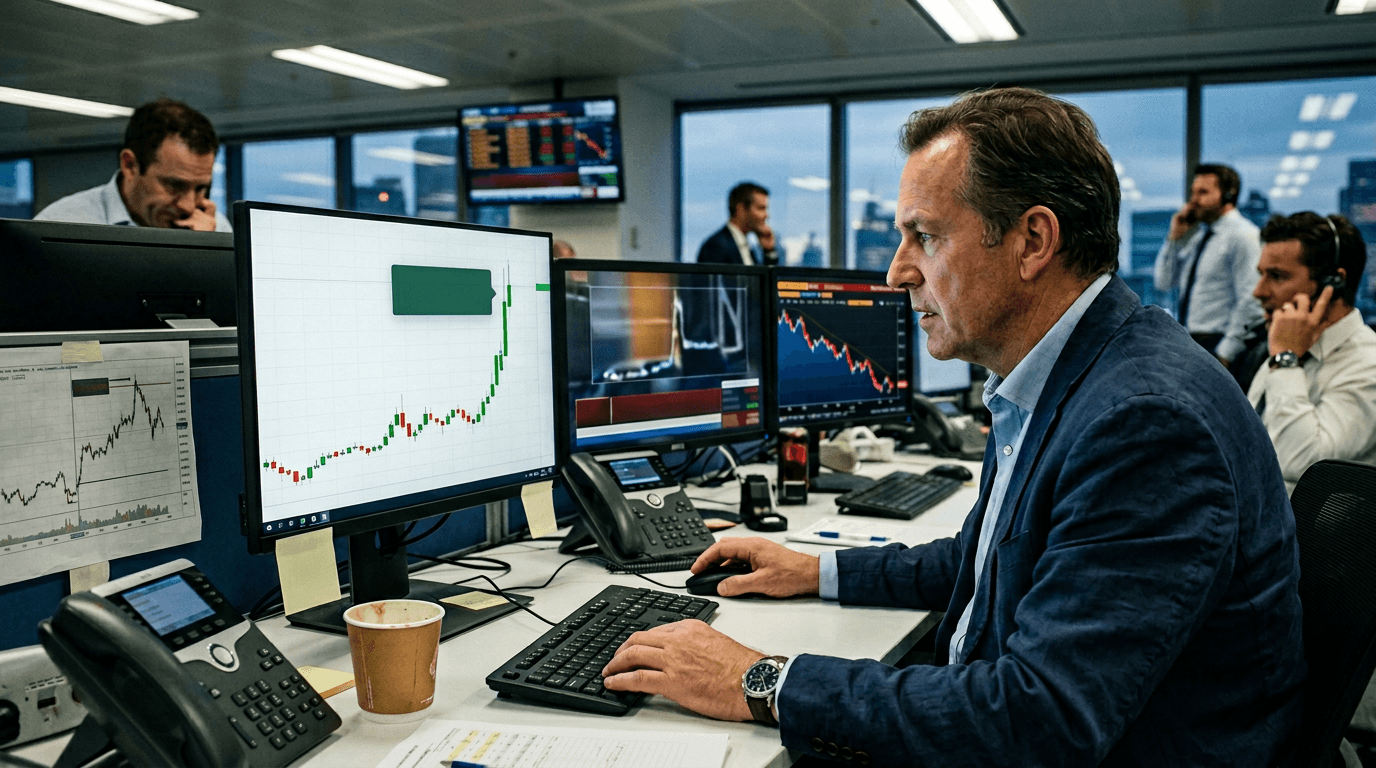
The current rally demonstrates this dynamic perfectly. Spot gold rose above $4,615 per ounce, with some contracts briefly touching $4,626 during intraday trading. This isn't a gradual climb—it's a surge driven by specific catalysts that traders and institutions are responding to with urgency. The metal closed recent sessions around $4,597 to $4,601, showing that buyers are stepping in at these elevated levels rather than waiting for pullbacks. For traders on platforms like E8 Markets, this presents an opportunity to understand how macroeconomic factors translate into real market movements.
Geopolitical Tensions Reignite Risk Appetite For Safe Assets
The foundation of gold's current strength lies in escalating geopolitical tensions. Reports of hundreds of fatalities during protests in Iran have particularly rattled markets, reminding investors that international relations remain fragile and unpredictable. Additionally, rising tensions between the United States and Venezuela have compounded concerns about global stability, creating an environment where traditional risk assets lose their appeal.
When geopolitical uncertainty rises, investors engage in hedging behavior. They reduce exposure to volatile stocks and seek assets that will hold value regardless of political outcomes. Gold fits this profile perfectly. The metal is not dependent on any government's creditworthiness, nor is it vulnerable to corporate earnings disappointments. Its value derives from its universal recognition as a store of wealth, making it ideal when investors worry about tail risks—low-probability but high-impact events that could disrupt markets.
These geopolitical factors have been building throughout early 2026, with gold gaining over 4% in just the week leading up to its record break. This acceleration suggests that each new headline confirming international tensions pushes more capital into precious metals.
The Federal Reserve Independence Question
While geopolitics grabs headlines, a quieter but equally important factor is driving gold higher: concerns about Federal Reserve independence. When Federal Reserve Chair Jerome Powell confirmed that the central bank received legal subpoenas related to his Senate testimony, market participants took notice. This revelation raised questions about political pressure on the supposedly independent central bank, a development that historically sends investors scrambling for gold.
The concern here is profound. The entire modern financial system rests on the assumption that central banks operate with independence from political pressure. If that independence is compromised, the credibility of monetary policy comes into question. When investors doubt a central bank's independence, they lose confidence in the currency that central bank manages. In this case, doubts about the Federal Reserve's autonomy have weakened the U.S. dollar, making gold more attractive to foreign investors holding other currencies.
This dynamic creates a multiplier effect on gold demand. Not only are investors seeking safety, but they're also seeking protection from a weakening dollar. Gold, priced in dollars globally, becomes especially attractive during periods of dollar weakness because it becomes cheaper for international buyers.
Implications For Traders And Market Participants
For traders monitoring these developments, the current gold environment offers important lessons about how macroeconomic narratives drive market movements. The $4,600 level isn't just a price—it's a story about investor psychology, risk perception, and expectations for the future.
Understanding these drivers helps traders anticipate potential support and resistance levels. If geopolitical tensions cool or if the Federal Reserve successfully defends its independence through transparency and public messaging, gold could face selling pressure. Conversely, if either situation deteriorates further, the $4,600 level may prove to be just another stepping stone in a larger uptrend.
Traders should also monitor the correlation between gold and other assets. During this rally, silver and platinum also reached record highs, suggesting that safe-haven demand is extending across the precious metals complex. This broadening participation indicates that the market move isn't isolated to gold but reflects a systematic shift in investor positioning.
The Takeaway
Gold's extension above $4,600 represents a convergence of multiple risk factors that are pushing investors toward defensive positioning. Geopolitical tensions, questions about Federal Reserve independence, and dollar weakness are creating an environment where precious metals thrive. While these conditions may eventually change, traders should remain alert to the catalysts that could shift sentiment—whether that's de-escalation of international tensions, restoration of policy confidence, or dollar recovery. For now, gold's record highs reflect genuine concerns about the stability of conventional financial assets and the global economic environment.