
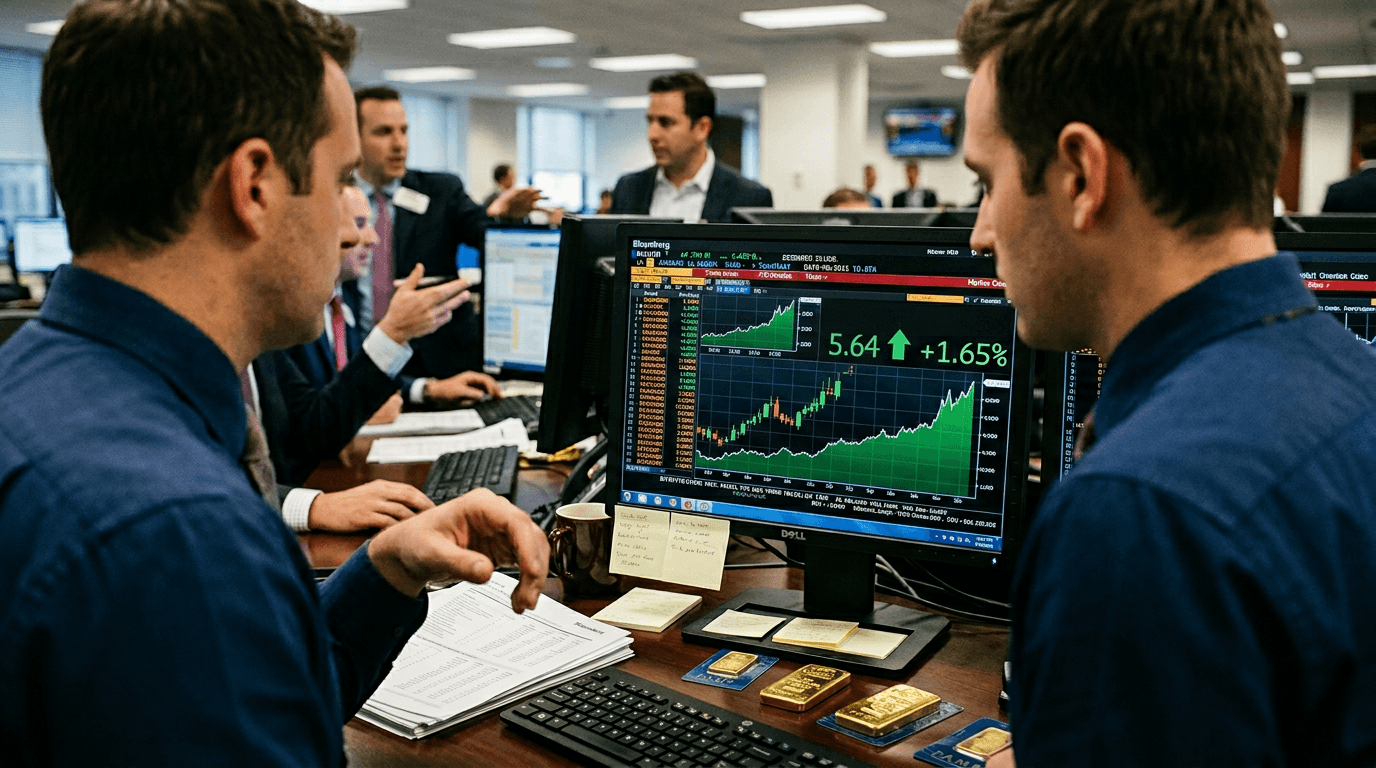
Gold has finally breached the $4,700 per ounce barrier, marking yet another milestone in what has become one of the most remarkable bull markets in precious metals history. This latest surge is driven by a powerful combination of safe-haven demand and renewed optimism surrounding potential de-escalation in Middle East tensions, particularly from developing Iran deal negotiations. For traders and investors, understanding the forces propelling gold higher is essential to navigating the opportunities and risks ahead.
The Safe-haven Rally Accelerates
When risk aversion grips financial markets, gold historically serves as the ultimate flight-to-safety asset. The current rally above $4,700 reflects exactly this dynamic playing out at scale. Geopolitical tensions, trade uncertainty, and volatility in equities have sent investors scrambling for assets perceived as uncorrelated to broader market downturns.
The persistence of these safe-haven flows is remarkable. Over the past 12 months, gold prices have surged nearly 75 percent, with central banks remaining among the largest buyers. Even as gold has approached record highs, official sector demand has remained robust—a testament to how seriously governments view gold as a hedge against macro instability. This isn't speculation driving the market; it's strategic portfolio allocation from institutions that understand the long-term value proposition of bullion.
The weakening US dollar has amplified this rally significantly. A softer greenback makes gold more affordable for buyers using other currencies, creating a global demand tailwind. This currency dynamic has historically been one of the most reliable drivers of precious metals prices, and it continues to support the current advance.
Iran Deal Hopes And De-escalation Premium
While much of the gold rally has been attributed to trade tensions and fiscal uncertainty, the emerging possibility of a breakthrough in Iran negotiations adds a new dimension to the narrative. De-escalation in geopolitical hot zones typically reduces safe-haven demand, which might ordinarily pressure gold prices. However, what's happening now is more nuanced.
Markets are pricing in optimism around Middle East negotiations while simultaneously maintaining their risk-off positioning. This reflects a consensus view that even if Iran tensions ease, broader macro uncertainties and trade dynamics will keep risk premiums elevated. Traders are essentially saying: yes, we'd like to see regional conflicts defuse, but we're not abandoning our defensive positioning just yet.
The Trump administration's willingness to engage in diplomatic talks has shifted market sentiment toward hoping for positive resolution rather than military escalation. Each headline suggesting constructive negotiations provides modest relief to equity markets and energy prices, but investors are not yet rotating out of defensive assets at scale. Gold remains the preferred insurance policy as negotiations unfold.
Technical And Fundamental Support Layers
The move above $4,700 isn't solely driven by emotion or geopolitical headlines. Solid fundamental support underpins this level. High fiscal deficits across developed economies have investors concerned about future inflation, particularly if central banks maintain accommodative policies longer than markets expect. Gold benefits from this inflation hedge narrative, especially when real interest rates remain subdued.
The technical picture is equally compelling. Gold is trading near record highs with positive momentum, and there's minimal resistance above current levels. Previous breakouts from key price levels have attracted momentum-following buyers, and this $4,700 milestone is likely to trigger algorithmic buying and tactical positioning from trend-following funds.
Additionally, weakness in the broader equities market continues to create fresh demand for alternative assets. Market participants are increasingly comfortable allocating to gold and silver as a meaningful portfolio allocation rather than viewing these metals as speculative positions. This institutional embrace provides a structural bid under prices.
What This Means For Your Trading Strategy
For traders, the current environment presents both opportunity and risk. The strong uptrend and supportive fundamentals suggest that pullbacks could offer buying opportunities rather than reversal signals. However, the speed of the recent advance means that profit-taking and consolidation should be anticipated.
Silver's move toward and above $90 per ounce is also noteworthy. The gold-to-silver ratio is compressing, suggesting that industrial demand and risk-on sentiment may be stabilizing. Traders interested in leveraged precious metals exposure might consider the outperformance potential in silver if equities begin to stabilize.
Position sizing remains critical. While the fundamental case for gold remains sound, valuations are extended by historical standards. This isn't necessarily a reason to avoid exposure, but it argues for disciplined entry points and reasonable profit-taking targets.
Positioning For Continued Volatility
As Iran negotiations progress and trade tensions persist, gold is likely to remain supported above $4,700 in the near term. The combination of safe-haven demand, central bank buying, and currency tailwinds creates a powerful backdrop. However, any significant improvement in geopolitical risk sentiment or a meaningful rebound in equities could trigger a correction.
The key takeaway for investors is that gold's rise above $4,700 reflects legitimate macro concerns rather than irrational exuberance. This suggests the bull market has room to run, but position management remains essential.