
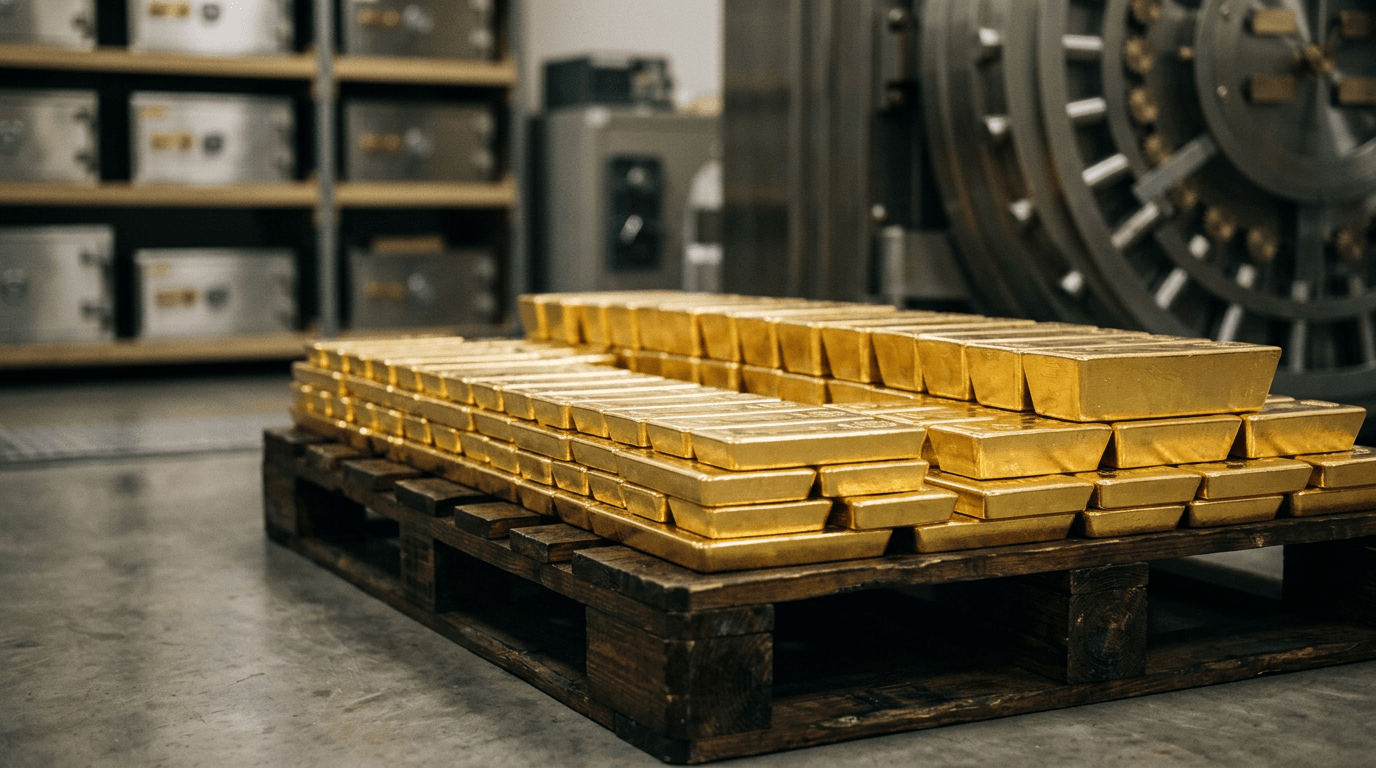
Gold has maintained its impressive momentum above the $4,700 barrier, cementing a remarkable rally that has captivated traders and investors worldwide. This sustained strength comes as the US Dollar continues to weaken, creating an ideal environment for precious metals to thrive. Understanding the dynamics behind this move is crucial for anyone navigating today's markets, as the interplay between currency weakness and safe-haven demand reveals important patterns for both short-term traders and longer-term investors.
The Us Dollar Disconnect
The weakening US Dollar has emerged as one of the most powerful tailwinds for gold in recent months. A softer dollar makes precious metals cheaper for international buyers using other currencies, thereby expanding the global pool of potential purchasers. When the dollar weakens, investors outside the United States find gold more affordable, which naturally increases demand and supports prices. This relationship between currency strength and commodity prices is fundamental to understanding precious metals markets and remains one of the most reliable drivers of price action.
The dollar's decline reflects several underlying factors in the broader economic landscape. As expectations for future interest rate cuts gain traction and economic growth concerns persist, the appeal of holding dollars diminishes. Lower interest rates reduce the opportunity cost of holding non-yielding assets like gold, making the yellow metal more attractive relative to dollar-denominated bonds or savings accounts. This dynamic has been particularly pronounced in recent weeks, with the dollar index recording its largest monthly decline in some time.
For traders on simulated platforms like E8 Markets, understanding this currency relationship provides a valuable edge. Many traders focus solely on geopolitical factors or Fed policy announcements, but the technical picture of USD strength often provides earlier signals of directional moves in gold prices.
Safe-haven Demand Remains Robust
Beyond currency dynamics, geopolitical tensions continue to fuel demand for traditional safe-haven assets. The ongoing concerns regarding international relations and trade disputes have investors reaching for gold as insurance against uncertainty. When global tensions rise, professional traders and institutional investors systematically increase allocations to precious metals as portfolio hedges.
This safe-haven premium is easily visible in the magnitude of gold's gains over the past twelve months, with prices surging approximately 75 percent. Silver, meanwhile, has tripled over the same period, reflecting even more aggressive risk-off positioning among investors. The fact that both metals have reached record levels suggests that safe-haven demand has reached intense levels, with investors willing to pay historically elevated prices for portfolio protection.
The record levels in both gold and silver also indicate that central banks continue their buying programs globally. Institutional demand remains steady, and the technical breakouts above previous resistance levels have likely triggered additional buy signals from algorithmic trading systems and trend-following strategies.
The Inflation Hedge Component
While currency weakness and geopolitical factors dominate headlines, the inflation hedge aspect of gold deserves careful attention. Recent commodity price movements, particularly in energy markets, have reminded investors that inflation remains a tangible risk despite various economic headwinds. Gold's historical role as an inflation hedge makes it particularly valuable in an environment where fiscal deficits remain elevated and monetary policy remains accommodative.
For traders accustomed to deflationary scenarios or persistent low inflation environments, this shift in perspective represents a meaningful change in market structure. The bond market is increasingly pricing in scenarios where inflation remains sticky, and gold prices reflect this consensus view.
Implications For Traders And Investors
For those trading on simulated finance platforms, the current gold market offers several lessons. First, the breakdown of dollar strength often precedes major moves in precious metals, providing a leading indicator for positioning. Second, when technical levels like the $4,700 barrier get breached convincingly, continuation tends to follow as stop losses and algorithmic systems reinforce the move.
The current environment also highlights the importance of understanding correlation dynamics. When dollar weakness accelerates alongside safe-haven flows, gold often experiences explosive moves rather than gradual advances. Traders who recognize this pattern can position accordingly, using appropriate risk management to capitalize on the momentum.
Key Takeaways For Your Trading
The persistent strength above $4,700 reflects the convergence of multiple supportive factors rather than reliance on any single driver. A weaker dollar, ongoing safe-haven demand, and inflation concerns create a multi-layered support system for precious metals prices. This makes the current trading environment particularly interesting for those who understand the interconnected nature of currency, commodity, and equity markets.
As you track gold prices going forward, pay particular attention to dollar index movements and relative yield differentials between currencies. These technical factors often provide earlier warnings of directional shifts than headline-driven news does.
The gold market continues to offer educational value for traders seeking to understand how multiple market forces interact. The lesson that sustained price moves require confirmation from multiple sources remains as relevant today as ever.