
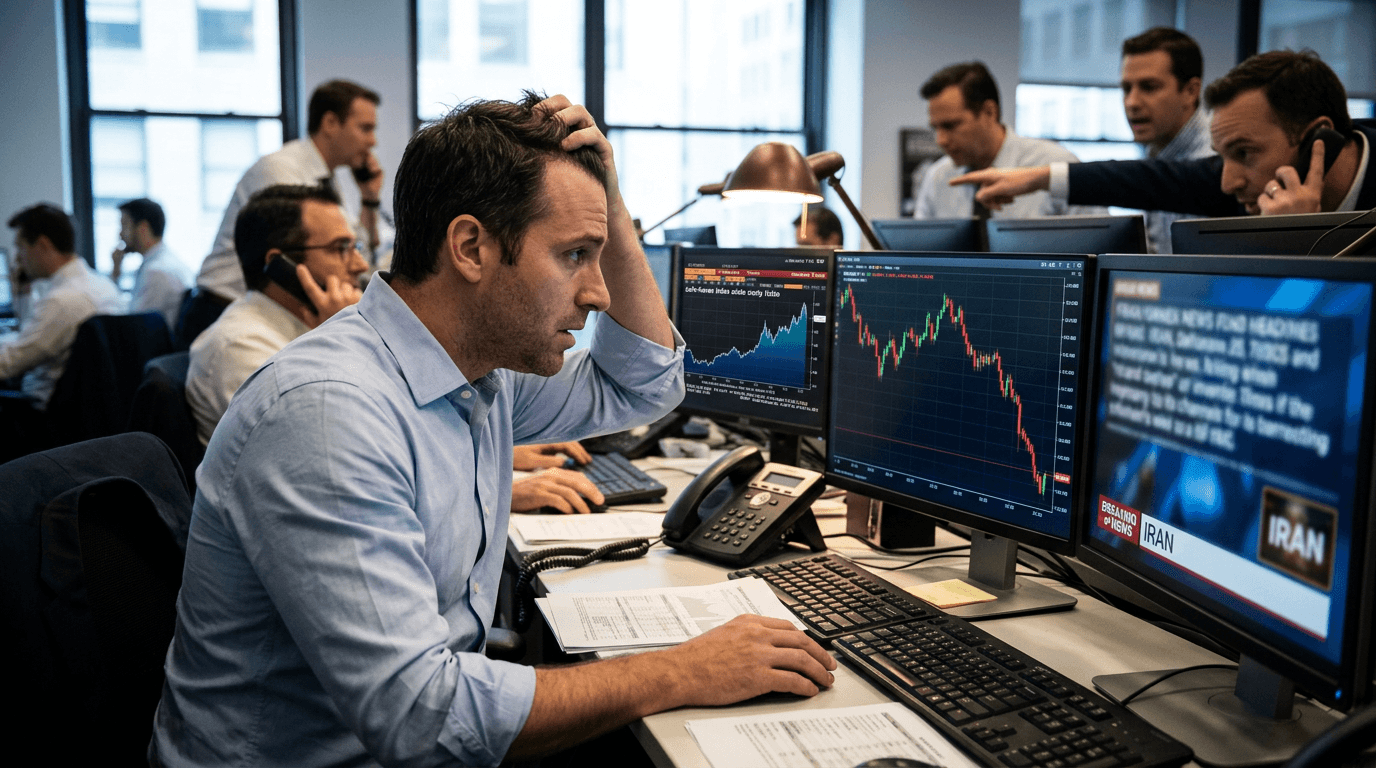
The geopolitical landscape of March 2026 has taken a dramatic turn, with the assassination of Iran's Supreme Leader Ayatollah Khamenei sending shockwaves through global markets and reigniting safe-haven demand for the US dollar. As traders grapple with escalating Middle East tensions and the uncertainty that follows such a watershed event, the greenback has emerged as the primary beneficiary of classic risk-off dynamics. The killing has intensified tail risks in one of the world's most volatile regions, pushing the EUR/USD pair below 1.17 as investors retreat from riskier assets and seek shelter in the world's most liquid and reliable currency. Understanding how this geopolitical shock translates into currency market movements is essential for traders seeking to navigate the volatility ahead.
The Geopolitical Catalyst And Immediate Market Reaction
The assassination of Ayatollah Khamenei represents one of the most significant geopolitical developments in years, fundamentally altering perceptions of risk in the Middle East. Iran has already signaled its determination to continue the conflict, with the appointment of Khamenei's successor reinforcing the message that Iranian leadership intends to escalate rather than de-escalate tensions. This intransigence has triggered what markets call a "flight to safety," where investors systematically exit riskier assets and concentrate capital in instruments perceived as immune to regional instability.
The US dollar has historically served as the world's ultimate safe-haven currency during periods of geopolitical crisis, despite some recent debate about whether this status remains intact. The current market reaction definitively answers that question. Major currency pairs have shifted sharply, with EUR/USD declining below 1.17 as the euro weakness reflects broader European vulnerability to Middle East tensions through energy disruptions and supply chain exposure. According to recent market analysis, geopolitical factors have become more important than traditional monetary policy considerations, as hedge funds and asset managers systematically reduce their short positions on the dollar and reposition into long greenback exposure.
The Safe-haven Premium And Dollar Demand
Safe-haven flows operate on a simple but powerful principle: when investors fear the unknown, they consolidate capital in the most liquid, deepest, and most reliable assets available. The US dollar satisfies all these criteria. As global markets shift into a full defensive posture, the dollar transcends its role as merely another currency and transforms into what market participants call a protective shield against the energy shock and liquidity squeeze that typically accompany major geopolitical events.
This safe-haven mechanism is not a search for yield, but rather what analysts describe as a flight to liquidity. With equity markets under pressure and emerging market currencies vulnerable to contagion, the dollar offers capital preservation in an environment where growth assumptions have become suspect. The DXY, or US dollar index, climbed to five-week highs following the onset of Middle East hostilities, providing a clear barometer of fear depth in global markets. Institutions managing large portfolios systematically reduce exposure to risk assets and rotate proceeds into dollar-denominated instruments, creating consistent upward pressure on the greenback regardless of short-term sentiment fluctuations.
The Fed's Hawkish Stance Amplifies Dollar Strength
The timing of this geopolitical shock coincides with a critical shift in Federal Reserve expectations that further supports the dollar. Markets now price in only one 0.25% rate cut for all of 2026, a dramatic contraction from earlier-year expectations of steady easing. The Fed's data-dependent approach, focused on sticky services inflation and a resilient labor market, means rate cuts remain extraordinarily unlikely. This unexpectedly hawkish monetary stance creates elevated US Treasury yields relative to comparable foreign instruments, generating a powerful incentive for international investors to hold dollar-denominated assets.
What makes the current environment particularly supportive for the greenback is this two-pronged advantage: safe-haven flows push investors toward dollars on a risk-off basis, while the Fed's refusal to cut rates sustains the carry advantage that makes dollar holdings attractive on a yield basis. In normal market environments, geopolitical risk premiums can only support a currency temporarily. However, when combined with structural yield advantage, the dollar's strength becomes more durable and resistant to quick reversals.
Energy Prices And The Oil-dollar Nexus
Climbing oil prices present a more complex dynamic for currency markets. While elevated crude prices typically benefit commodity-linked currencies such as the Canadian dollar, they simultaneously heighten global economic uncertainty and push investors toward dollar safety. Market analysts estimate that each 10% rise in oil prices may add approximately 0.5-1% upside to the dollar, reflecting both the energy shock impact on global growth and the increased volatility that accompanies elevated energy costs.
The blockage of key energy chokepoints like the Strait of Hormuz has emerged as a critical variable shaping near-term energy prices and therefore currency market movements. As energy inflation persists, corporate margins compress, demand softens, and growth forecasts require revision downward. This growth shock narrative, if it strengthens, could eventually pressure central banks toward rate cuts. However, in the immediate term, the dollar remains supported by the combined weight of safe-haven demand and elevated energy premium.
Trading Implications And Outlook
For currency traders, the immediate trading opportunity centers on momentum strategies favoring the greenback across major pairs, particularly EUR/USD, which continues to find sellers below 1.17. Range-bound conditions should persist around clearly defined support and resistance levels, with range-bound trading offering tactical hedging opportunities for businesses managing foreign exchange exposure.
The consensus view suggests that dollar strength will remain durable so long as geopolitical tensions persist and the Fed maintains its hawkish stance. However, traders must monitor two critical variables: any signs of Fed policy shifts should economic data deteriorate, and any developments suggesting de-escalation in Middle East tensions. Either development could reprrice markets quickly and reduce the dollar's safe-haven premium.