
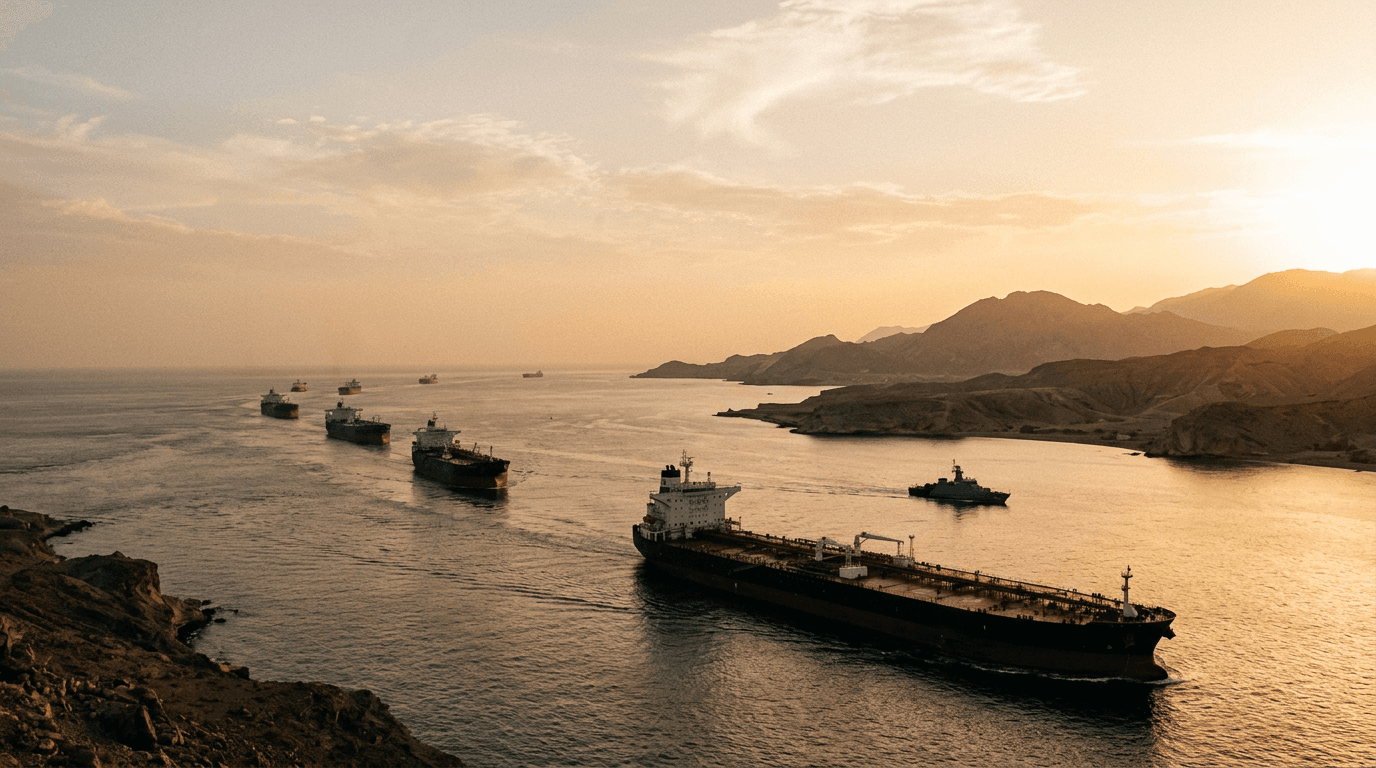
The Middle East is once again at the center of global energy concerns as Iran has effectively blocked the Strait of Hormuz, one of the world's most critical maritime chokepoints. Following recent military strikes by the United States and Israel, Iranian regime forces have declared their intention to target any vessels attempting to transit the waterway, forcing shipping companies to halt operations and reconsider their supply chain strategies. This unprecedented disruption to one of the planet's busiest trade routes is sending shockwaves through crude oil markets and threatening to reshape global energy economics in the near term.
The Strait Of Hormuz Crisis Explained
The Strait of Hormuz is far more than a simple shipping lane. This narrow passage between Iran and Oman serves as a critical artery for global energy commerce, facilitating the transit of approximately 20 percent of the world's oil supply along with other vital goods. In geopolitical terms, it represents one of the most strategically important maritime corridors on Earth. When functioning normally, thousands of vessels traverse the strait annually, moving energy resources that power economies from Europe to Asia.
The current blockade stems from escalating tensions between Iran and a coalition led by the United States and Israel. In response to recent military operations, Iranian Revolutionary Guard forces have declared their intention to attack any ships attempting passage through the strait. This isn't merely a symbolic gesture. Shipping insurance providers have responded by refusing war risk coverage for vessels entering the region as of March 5, 2026, effectively making it economically untenable for most operators to transit the route. While Iran has not technically mined or physically closed the strait, the threat environment has made normal operations essentially impossible, creating what analysts describe as an unprecedented standstill.
Shipping Disruptions And Economic Consequences
With major shipping lines halting or severely reducing bookings through the Strait of Hormuz, the global logistics network faces severe strain. Vessels that would normally take this direct route must now navigate around the Cape of Good Hope at the southern tip of Africa, extending voyage times by approximately ten days and increasing costs by up to 30 percent. According to maritime experts, this rerouting can add weeks to global shipping timelines when multiple operators make the same decision, effectively diminishing total capacity within the shipping system.
The consequences extend well beyond shipping costs. Raw material deliveries face delays that trigger cascading effects throughout manufacturing and consumer markets. Manufacturers experience impacts first as production schedules slip due to delayed inputs. These delays then propagate to consumers through reduced inventory levels, longer lead times, and eventually, escalating prices. Industries dependent on just-in-time supply chains face particular vulnerability. The petroleum sector, chemical manufacturers, and automotive producers all rely on consistent energy inputs. When crude oil shipments face ten-day delays, downstream production grinds to a halt.
Crude Oil Markets In Flux
The blockade has had immediate consequences for crude oil prices. WTI futures have climbed to six-month highs as traders price in supply concerns. More than 10 percent of global crude passes through the Strait of Hormuz, and any disruption to this flow creates upward pressure on prices worldwide. This geopolitical premium sits atop existing market dynamics, including OPEC production decisions and global demand patterns.
The situation is complex because Iran itself remains a player in the game. Satellite imagery and intelligence reports indicate that Iran continues loading tankers at its Car Island LPG terminals, with at least three gas carriers observed on Monday. This suggests that Iranian leadership expects their own vessels to transit the strait, indicating that any blockade may be selective rather than absolute. However, this doesn't eliminate the market impact, as uncertainty itself drives price increases and dampens investment decisions.
Implications For Traders And Markets
For traders and investors, this crisis presents both risks and opportunities. Energy markets are repricing to reflect the geopolitical premium, and volatility will likely persist until the situation resolves. Crude oil exposure through ETFs, futures contracts, or energy sector equities faces near-term headwinds from supply uncertainty but potential gains if tensions ease. Conversely, shipping companies and logistics firms face margin compression from increased operating costs.
Beyond energy, broader market implications warrant attention. Inflation pressures could resurface if supply chain disruptions persist. Consumer goods prices may rise as transportation costs filter through to retail. Equity markets sensitive to input costs could face downward pressure if the blockade remains in effect for extended periods.
Navigating Uncertainty Ahead
The Strait of Hormuz crisis exemplifies how geopolitical events can rapidly reshape market conditions and supply chains. While Iran technically controls the strait and conceivably could relent on its threats, the current trajectory suggests prolonged disruption. Traders should monitor insurance coverage decisions, satellite imagery of tanker movements, and official statements from international maritime authorities for signals of potential resolution.
Understanding the mechanics behind this crisis—how a single chokepoint affects global energy prices, shipping costs, and manufacturing timelines—provides essential context for making informed decisions in volatile markets. The coming weeks will test whether diplomatic channels can defuse tensions or whether this blockade represents a new reality in global energy markets.