
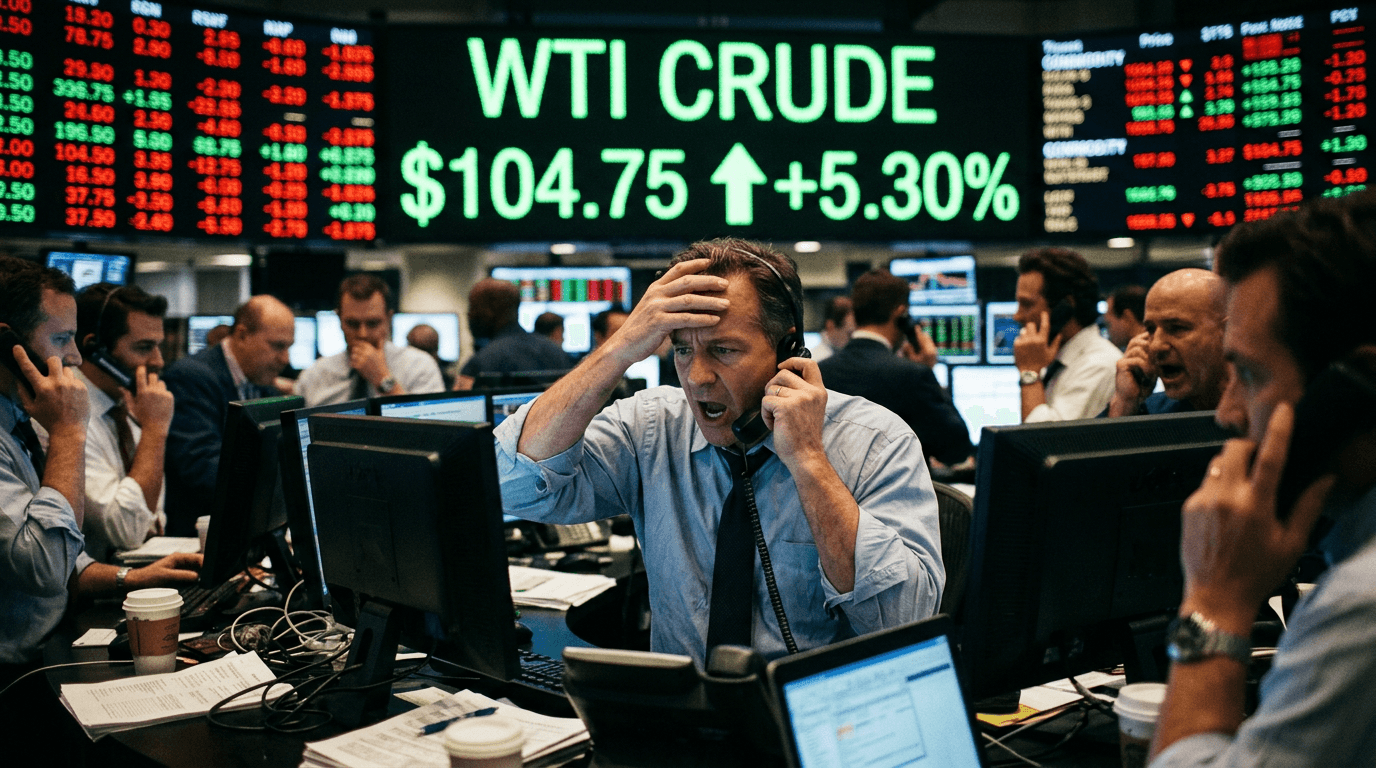
Geopolitical tensions have intensified as U.S.-Iran negotiations in Islamabad collapsed after 21 hours, leading President Trump to announce a naval blockade of the Strait of Hormuz. This diplomatic failure has escalated Middle Eastern tensions and caused significant market volatility, with crude oil prices surging above $100 per barrel and energy futures rallying sharply, while equity markets face increased pressure.
The Breakdown In Islamabad
Vice President JD Vance headed the significant U.S.-Iran talks, the highest-level engagement since the 1979 Islamic Revolution, intended to resolve longstanding hostilities. Despite efforts from regional powers like Saudi Arabia and Egypt, the discussions ended inconclusively after marathon sessions. The main contention point was Iran's nuclear program, with the U.S. presenting a "final and best offer" that included six non-negotiable demands: halting uranium enrichment, dismantling nuclear facilities, and ceasing support for proxy groups, among others. Iran, led by Parliament Speaker Mohammad Bagher Qalibaf, accused the U.S. of "maximalism" and shifting demands, expressing skepticism about U.S. intentions due to past military escalations post-negotiations.
The Nuclear Stalemate
The nuclear issue was the major impasse, with President Trump asserting that Iran was unwilling to relinquish its nuclear ambitions. Despite potential areas of agreement on restrictions, Iran's insistence on maintaining its right to uranium enrichment remained a dealbreaker. Analysts suggest that the long-standing trust deficit, worsened by military actions following past diplomatic engagements, hardened both sides' positions, making convergence impossible. The belief that a weekend of talks could resolve decades of enmity was seen as overly optimistic.
Market Implications And Trader Considerations
The talks' failure triggered an initial risk-off response in markets, though partial recovery followed. Energy markets saw crude oil prices exceed $100 per barrel, with futures rallying on supply disruption fears. The Strait of Hormuz, a vital oil transport chokepoint, makes any threat of blockade critical to energy prices and inflation. The performance across asset classes reflects uncertainty over the escalation's trajectory. While energy stocks benefited from oil price hikes, equities faced challenges from economic growth concerns and geopolitical risks. Traders should consider opportunities in energy sector positioning, particularly in oil and natural gas futures, as markets reassess the blockade's potential impact.
What Comes Next
Trump's naval blockade announcement marks a shift from diplomacy to direct economic pressure. Pakistan urged both nations to maintain their ceasefire, emphasizing the fragile nature of the current de-escalation. The situation remains fluid, with potential volatility. Traders should watch for key developments: Iran's military response, regional powers' positioning, oil price movements, and any signs of renewed diplomatic efforts. Unlike typical risk events, the Strait of Hormuz dispute represents a real supply shock scenario.
Key Takeaways For Traders
Energy commodities are elevated and could become more volatile due to actual supply disruption risks. Geopolitical risk hedges are worth considering. This situation highlights the rapid collapse of negotiations, stressing the need to monitor official statements and diplomatic signals. Regional conflicts can create asymmetric opportunities across asset classes, with energy producers benefiting while growth-sensitive equities face broader market risk-off dynamics.