
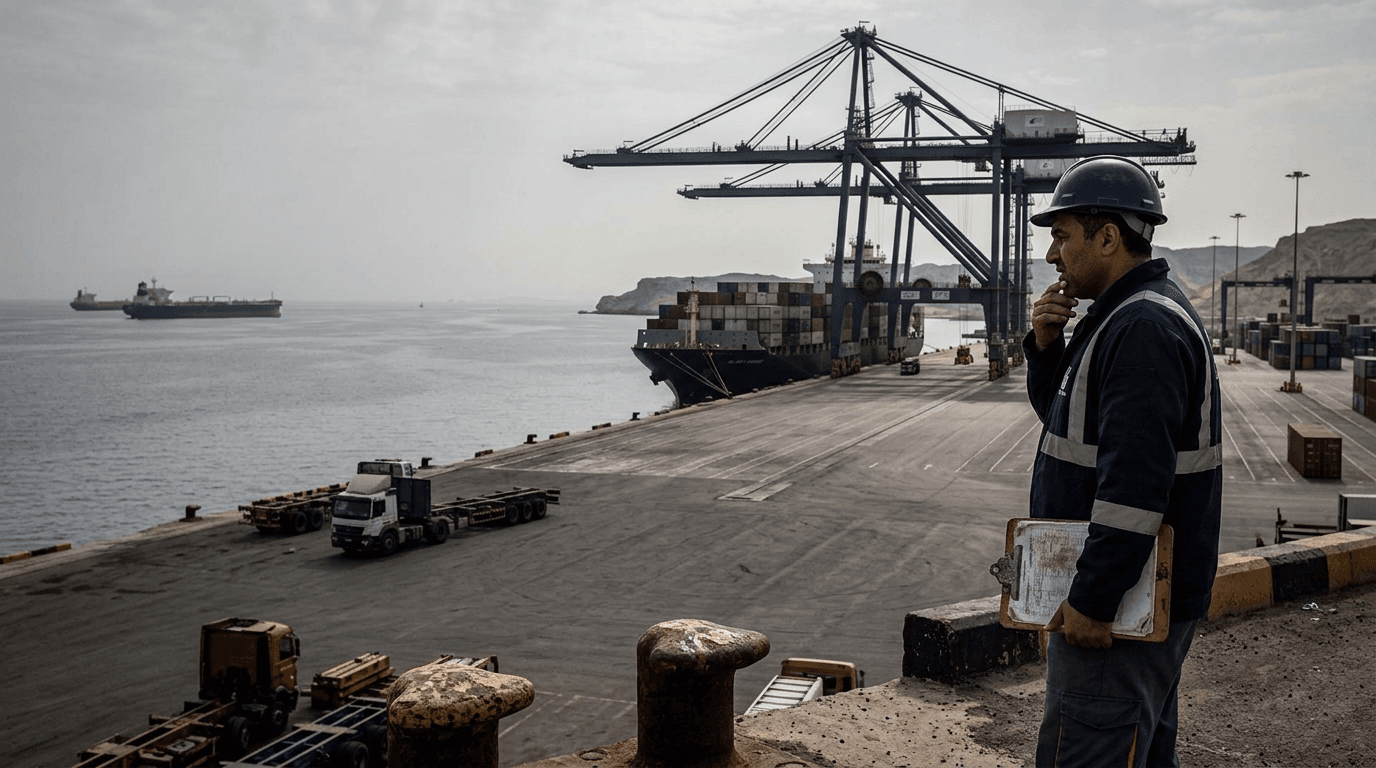
The Strait of Hormuz, a pivotal global energy passage, has become ground zero for escalating geopolitical tensions. With Iranian forces asserting control, the waterway's maritime traffic has plunged by approximately 70 percent, sparking one of the most significant global supply disruptions since the 1970s energy crisis. This blockade transcends regional conflict—it is reshaping energy markets, threatening food security, and testing the resilience of global supply chains, with effects that will ripple through financial markets for months.
The Crisis Unfolds
On March 4, 2026, Iran officially declared the Strait of Hormuz closed to maritime traffic, backing this declaration with military force. The aftermath was immediate and severe. Kpler shipping data shows vessel transits plummeting from 108 since the conflict's onset to a mere 38 after March 2, 2026. Where over 150 freight ships, including numerous oil tankers, once ensured steady flows, commercial maritime activity has come to a near standstill. Senior officials of the Islamic Revolutionary Guard Corps have publicly threatened any vessel attempting transit, aiming to halt oil exports entirely.
This blockade unfolds against the backdrop of extensive military operations, including a major U.S. bombing campaign on Kharg Island, Iran's primary oil export hub, responsible for 90 percent of Iranian crude exports. Although the campaign spared oil infrastructure, the broader military activities and Iranian countermeasures have effectively sealed one of the world's most crucial energy arteries.
Energy Markets In Turmoil
The market reaction has been swift and substantial. Oil prices have soared over 40 percent since the conflict began, reflecting both the severity of the supply disruption and the market's perception of prolonged closure risks. This surge carries profound implications for global energy costs, inflation dynamics, and investment portfolios across diverse sectors.
The numbers paint a stark picture of supply vulnerability. Approximately 21 percent of global petroleum trade typically passes through the Strait of Hormuz, making it second only to the Strait of Malacca in significance. With traffic down 70 percent, the market grapples with a genuine crisis of confidence in energy supply security. Traders and policymakers question whether OPEC, particularly Saudi Arabia and the UAE, can or will boost production to offset lost flows. Geopolitical considerations and physical production capacity constraints appear to limit options.
Notably, Iran faces severe economic pressure from this blockade. The National Iranian Oil Company operates a fleet of only 38 tankers plus up to 80 shadow fleet vessels—all reliant on the strait for transit. An alternative pipeline project, the Goreh-Jask system designed to bypass the strait, has failed to achieve consistent operations, carrying only about 300,000 barrels per day. Iran ceased loading oil from this terminal after September 2024, severely constraining its export capacity during a prolonged closure.
Global Food Security At Risk
Beyond oil and gas, the blockade threatens a less visible but equally critical supply chain: agricultural fertilizers. According to Argus Analytics data, 50 percent of the world's seaborne sulfur trade and 32 percent of global urea trade transit through the Strait of Hormuz. These materials are essential for producing phosphate fertilizers that sustain agricultural output in major farming nations like India and Brazil. If the blockade persists, disrupted fertilizer supplies will trigger agflation—rising food prices driven by increased agricultural production costs—impacting food security far beyond the Middle East and affecting consumer prices globally.
The infrastructure consequences extend further. Lebanon, for example, relies entirely on fuel oil imports routed through regional waterways and faces the risk of widespread, prolonged electricity outages if the closure continues. This interconnectedness demonstrates how a regional maritime dispute rapidly escalates into a global economic crisis, affecting essential services, food supplies, and living costs across numerous nations.
China's Strategic Vulnerability
An often-overlooked aspect of this crisis involves China's energy dependency. Nearly 90 percent of Iranian oil exports go to Chinese buyers, and China requires about 5 million barrels of oil daily from the Persian Gulf to fuel its industrial demand. This dependency creates a significant diplomatic constraint on Iranian decision-making. A prolonged closure of the Strait of Hormuz would jeopardize the energy security of Iran's most important economic and political ally, effectively limiting Tehran's strategic options and potentially pressuring toward de-escalation.
The Path Forward For Markets
For traders and portfolio managers, the key takeaway is that the Strait of Hormuz has shifted from a simple binary valve—open or closed—to a strategic pressure gauge reflecting ongoing regional tensions and international negotiations. The 70 percent traffic reduction represents a supply shock of historic proportions, but the ultimate market impact hinges on whether this blockade persists, whether alternative supply sources can be mobilized, and whether diplomatic efforts to reopen the waterway succeed. Energy diversification initiatives, renewable energy investments, and strategic petroleum reserve releases will likely dominate policy discussions in the coming weeks.