
Precious Metals Soar As Global Uncertainties Fuel Demand
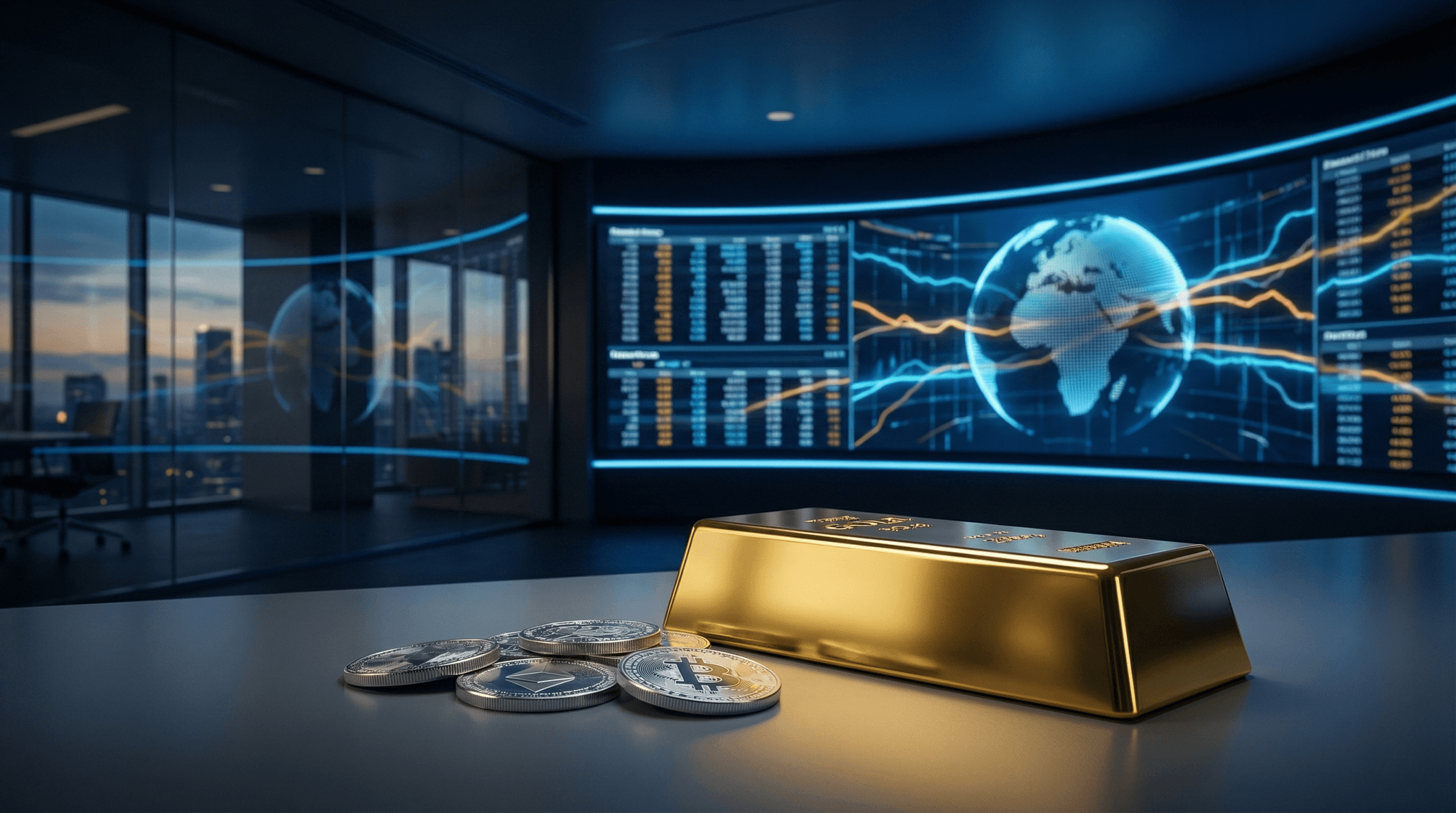
The precious metals market is currently witnessing a remarkable surge, as gold, silver, and platinum reach unprecedented heights amidst rising economic uncertainties and geopolitical tensions. As of mid-January 2026, silver has skyrocketed to over $93 per ounce, with gold approaching a staggering $4,700. This synchronized rise across the precious metals complex signals a significant reevaluation of risk in global markets, extending beyond traditional inflation hedging to encompass concerns about currency stability, central bank credibility, and the safety of conventional financial assets.
Uncovering The Precious Metals Rally
The dramatic upswing in precious metals prices stems from a potent blend of macroeconomic and geopolitical forces. At the heart of this is escalating trade tensions, with new tariffs threatening to disrupt global commerce and provoke retaliatory actions from major trading partners. These uncertainties have initiated a classic flight-to-safety movement, where investors shift away from riskier assets towards stable hard assets perceived as immune to political manipulation and currency devaluation.
Adding to this dynamic is growing skepticism about central bank independence. Market participants are increasingly wary of potential pressures on monetary policy autonomy, raising doubts about the reliability of traditional financial stability anchors. Gold, in particular, has benefited from these concerns, gaining almost $1,100 per ounce in the early weeks of 2026—a testament to its extraordinary momentum. Central banks worldwide continue to recognize precious metals as crucial portfolio stabilizers during periods of intense uncertainty.
The geopolitical landscape further amplifies these pressures. Heightened international tensions, trade disputes, and doubts about government credibility have driven investors towards assets that retain value irrespective of policy whims or currency shifts. This structural demand environment diverges markedly from seasonal or cyclical trends, reflecting deep-seated concerns about the stability of conventional financial systems.
The Extraordinary Ascent Of Silver
While gold captures attention with its absolute price levels, silver's narrative is even more compelling. Over the past year, silver has appreciated by approximately 190%, significantly outpacing gold's gains and highlighting that precious metals aren't moving in unison. This divergence underscores a crucial aspect of current market dynamics: silver is simultaneously capturing both investment and industrial demand.
From an investment standpoint, silver benefits from the same safe-haven flows that elevate gold. Yet, silver also boasts an industrial story that gold lacks. Increasing demand from solar energy, electronics manufacturing, and electric vehicle production creates a structural tailwind independent of investment cycles. As the global economy embraces green technologies, silver's role as an industrial essential becomes increasingly evident to market participants.
This dual demand dynamic has dramatically compressed the gold-to-silver ratio, prompting analysts to suggest that silver could challenge the psychologically significant $100 barrier. With historically low silver inventories and accelerating investment demand—particularly from Asian investors—silver has become a focal point for traders seeking exposure to both safe-haven demand and industrial supply constraints.
Market Implications For Traders
For participants in both simulated and real financial markets, this precious metals rally presents several critical considerations. First, the widespread strength across the entire complex indicates that market stress is genuine rather than fleeting. When gold, silver, platinum, and copper all rise concurrently, it typically reflects broad concerns about asset quality and currency stability rather than sector-specific developments.
Second, the trajectory suggests that these elevated prices may persist as long as underlying uncertainties endure. With tariffs set to escalate mid-year, ongoing geopolitical tensions, and central bank credibility under scrutiny, the fundamental backdrop supporting precious metals remains robust. J.P. Morgan's research forecasts gold potentially reaching $5,000 by late 2026, while LBMA analysts envision silver moving well beyond $100.
Third, traders should recognize that precious metals aren't rising in isolation—they're ascending as other asset classes face headwinds. Understanding this correlation dynamic is vital for effective portfolio positioning and risk management.
Strategic Takeaways For Traders
For those engaging with precious metals markets, whether through ETFs, mining stocks, or direct exposure in simulated trading platforms, several principles apply. Recognize that this isn't speculative mania but rather a rational response to measurable risks. The rally reflects legitimate concerns about inflation, currency devaluation, and policy stability.
Consider silver's unique positioning as an asset bridging investment and industrial demand. Its lower price point compared to gold makes it accessible for traders building positions with limited capital, while its industrial applications provide a non-cyclical demand foundation.
Monitor policy developments closely. Tariff implementations, Federal Reserve commentary, and international trade negotiations will likely exert more influence on precious metals prices than traditional economic data in the coming months. In uncertain environments, policy direction often holds more weight than GDP figures.
Finally, maintain perspective on the broader portfolio context. Precious metals have historically underperformed equities over extended periods, but their role in safeguarding purchasing power during monetary instability and geopolitical stress remains invaluable—especially in volatile markets like those we're experiencing now.