
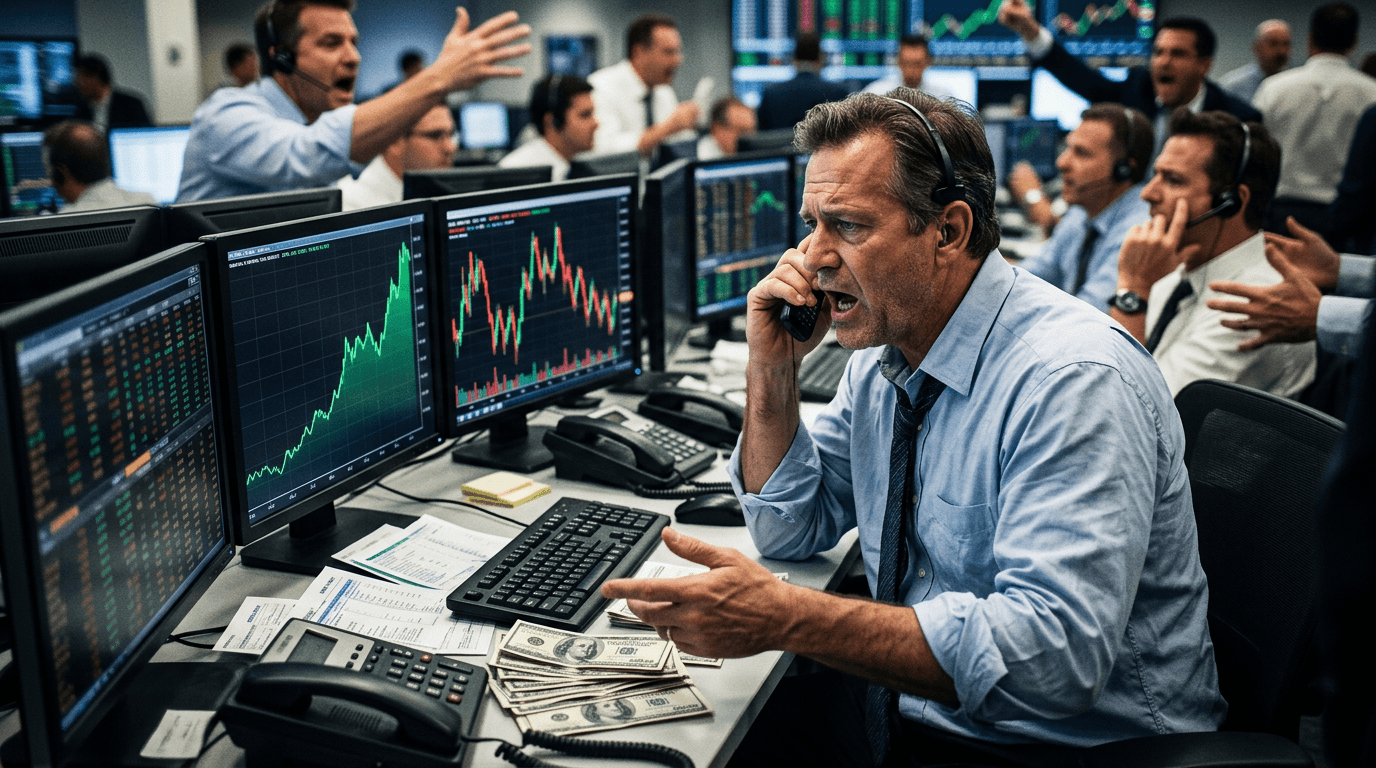
The assassination of Ayatollah Ali Khamenei on February 28, 2026, marked a pivotal moment for global markets and geopolitics. This joint US-Israeli operation, which resulted in the death of Iran's Supreme Leader, quickly sent financial markets into a state of heightened risk-aversion. Investors, seeking shelter, propelled the US dollar to multi-month highs, while crude oil prices soared—an explosive combination that traders and analysts continue to dissect weeks later.
Geopolitical Tensions and Market Reactions
The shock of Khamenei's assassination was felt across the globe, not as an isolated event but as a dramatic escalation of Middle Eastern tensions within the context of the 2026 Iran war. The operation, conducted brazenly in broad daylight, involved Israeli jets dropping 30 bombs on his Tehran compound, coordinated with CIA intelligence tracking. Despite initial Iranian denials, state media confirmed his death on March 1, 2026, unsettling markets accustomed to a fragile regional status quo.
This geopolitical shake-up set the stage for safe-haven flows. When uncertainty looms, particularly in the Middle East, investors instinctively pivot toward the US dollar—a fortress supported by the world's largest economy, deepest capital markets, and formidable military strength. Regional instability translates to global instability, driving demand for the dollar.
The Safe-Haven US Dollar Rally
The dollar's rally following Khamenei's death was a textbook example of risk-off dynamics. Investors exited higher-yielding assets and emerging market exposures, converting these into dollars to secure the safety of US Treasury markets and liquidity in dollar-denominated trades. The rally was particularly pronounced against risk-sensitive currencies, with the dollar index registering significant gains in the aftermath.
These safe-haven flows are a powerful and predictable market mechanism. When geopolitical black swan events strike, established trading relationships and financial interconnections trigger a mass exodus to dollar-denominated safety. This movement wasn't speculative but a genuine rebalancing of portfolios as investors de-risked across asset classes. The dollar's strength wasn't due to improving US economic fundamentals but worsening conditions elsewhere, especially in the Middle East.
The Oil Price Equation
Khamenei's assassination also highlighted divergent market impacts. While riskier assets faced sharp sell-offs, crude oil prices rose amidst legitimate supply concerns from Middle Eastern disruptions. Brent crude and West Texas Intermediate climbed as markets factored in potential supply constraints, regional tensions threatening key shipping routes, and broader uncertainties about Iran's oil production.
This created a unique dynamic for the dollar. Typically, higher oil prices put pressure on the dollar by reducing real yields and spurring inflationary pressures. However, the demand for dollar safety amid geopolitical tensions overshadowed these negative factors. Market analysts projected a USD rise of 0.5-1% for every 10% increase in oil prices during this risk-off period, underscoring the robust demand for dollar safety.
Trading Implications and Outlook
The events following Khamenei's assassination underscore how geopolitical developments remain potent market catalysts, despite advances in financial technology and electronic trading. This operation demonstrated that major black swan events can swiftly reshape capital flows, creating opportunities for well-positioned traders and potential losses for those caught off guard.
In the weeks ahead, it remains to be seen whether this represents a temporary spike in risk aversion or a fundamental repricing of geopolitical risk premiums. Should Middle Eastern tensions persist, the dollar's strength may become a structural trend rather than a fleeting uptick. Conversely, if markets stabilize and Iranian responses remain contained, the safe-haven flows may reverse just as rapidly.
Portfolio managers and traders must stay alert to further developments in Iran, closely monitoring official responses, sanctions, and any signs of escalating cycles that could further threaten regional stability.