
A Sudden Surge: Market in Turmoil
The eruption of conflict on February 28, 2026, has sent ripples through global energy markets, dramatically elevating crude oil prices. U.S. and Israeli strikes on Iran have been the catalyst for this upheaval, causing Brent crude to skyrocket from around $70 per barrel to peaks over $119. This escalation has not only led to immediate market volatility but also sparked long-term concerns over energy security and economic stability across the Gulf region and beyond.
When markets opened on March 2, the reaction was immediate and intense. Brent crude spiked by as much as 13% in early trading, briefly exceeding $82 per barrel as traders grappled with the implications of disrupted flows from the Persian Gulf. The volatility peaked on March 8-9, with prices nearing $120—a level unseen since the 2022 Russian invasion of Ukraine. Unlike previous disruptions, the market response this time has been swift and potent, driven by authentic supply fears.
Rebecca Babin, an energy trader with CIBC Private Wealth, captured the market's mood: "Traders have transformed from having ice in their veins to experiencing panic." This shift underscores the unprecedented risks facing global oil supply. Despite a brief retreat below $90 following Trump's comments that the conflict was "very complete," caution about further escalation persists among analysts.
Strait of Hormuz: A Critical Chokepoint Under Siege
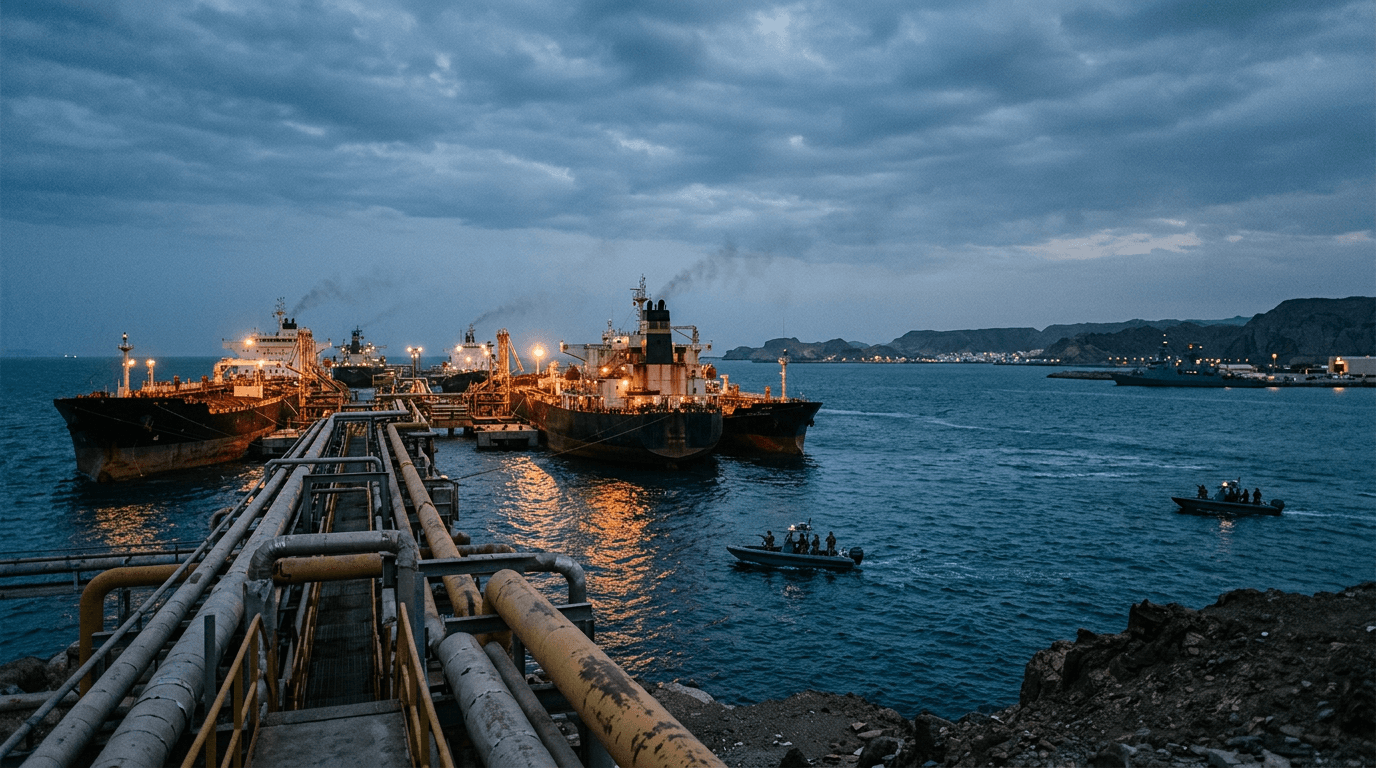
Central to this crisis is the Strait of Hormuz, a vital artery for global oil, where approximately 20% of the world's oil flows. With 15 million barrels passing through daily under normal conditions, any sustained disruption has far-reaching consequences. The closure by the Iranian Revolutionary Guard and attacks on tankers have made shipowners wary, escalating insurance costs and bringing tanker traffic to a near halt. By early March, around 150 ships were anchored, unable or unwilling to proceed, creating a cascading supply crisis.
As major oil producers face storage constraints due to halted crude movement, production cuts are inevitable. Iraq, Kuwait, Bahrain, and the United Arab Emirates have all reduced or suspended output from certain fields, compounding the global supply shortage.
Infrastructure Under Attack: A New Dimension of Crisis
This conflict has uniquely targeted the energy infrastructure crucial to global supplies. Refineries and liquified natural gas facilities across Bahrain, Kuwait, Qatar, Saudi Arabia, and the UAE have suffered damage from drone and missile attacks. With oil depots struck in Tehran and a refinery complex ignited in Bahrain, companies have declared force majeure, exacerbating the crisis.
Jim Burkhard from S&P Global Energy warns that recovery will be a lengthy technical exercise, underscoring the conflict's severe impact on production capabilities, even if military operations cease immediately.
Economic Repercussions Across the Gulf
The conflict's effects ripple through Gulf economies. Dubai's Jebel Ali port, a global trade hub, suspended operations after drone strikes, disrupting not just oil trade but regional commerce. The combination of port disruptions and diminished oil revenues presents a daunting challenge for Gulf states reliant on energy exports and trade.
While the International Energy Agency and G7 nations have considered drawing from strategic reserves, analysts caution that global stockpiles cannot fully bridge the supply gap. Partial solutions, like Saudi Arabia rerouting oil through the Red Sea, barely scratch the surface of the lost capacity. According to Amena Bakr of Kpler, reopening the Strait of Hormuz remains the only definitive solution.
Future Uncertain: Markets and Economies on Edge
If the Strait of Hormuz remains closed for an extended period, strategists warn that oil prices could soar to $150 per barrel or higher, surpassing the 2008 financial crisis peak. Some analysts predict more modest outcomes, yet they acknowledge the increased risk of a prolonged crisis.
For traders and policymakers, this situation underscores the critical importance of monitoring geopolitical risks to energy infrastructure. It highlights the vulnerabilities inherent in reliance on a single chokepoint for crucial energy supplies. For Gulf economies diversifying away from oil, this conflict is a stark reminder that energy security remains vital to regional prosperity and stability.
While the conflict's trajectory and its ultimate impact on global oil prices are uncertain, one thing is clear: markets have permanently adjusted the risk premium associated with Middle East geopolitics upwards.