
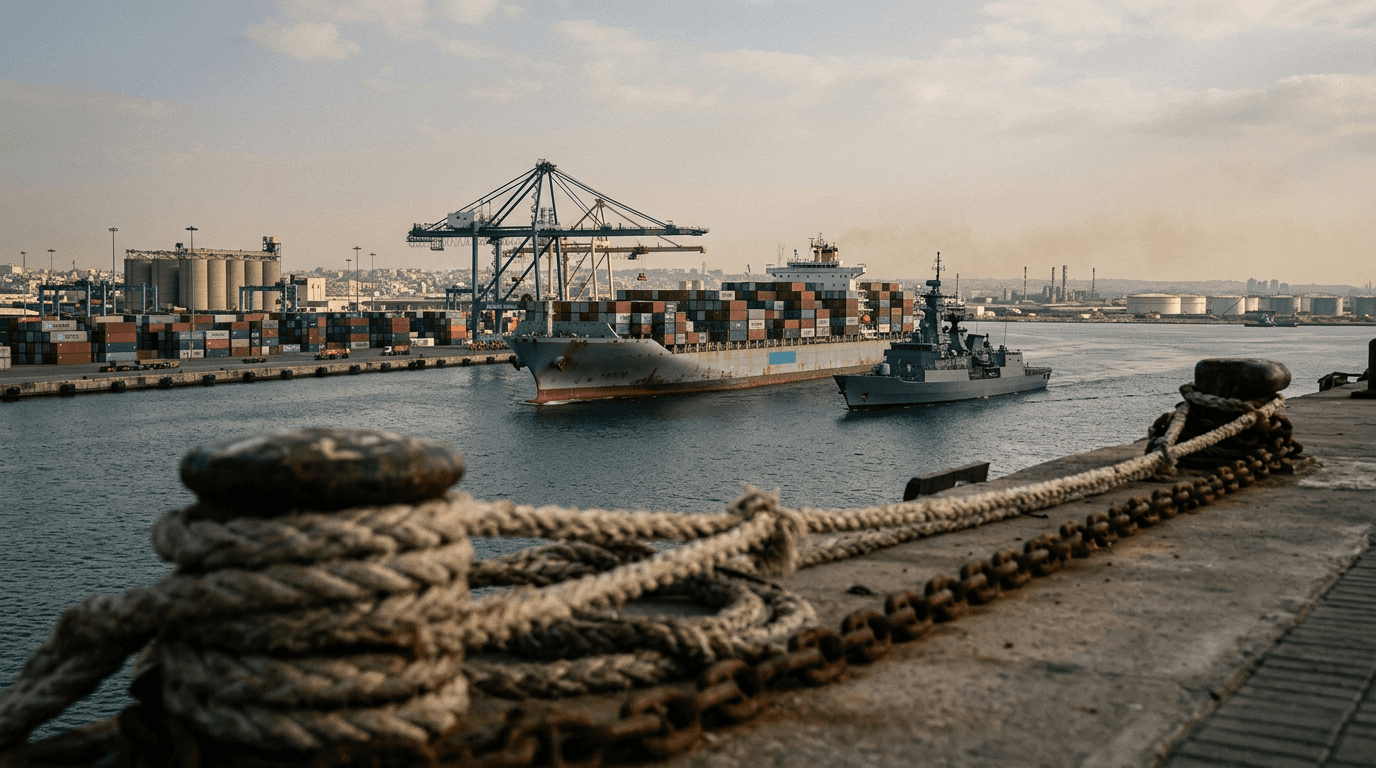
As the Middle East grapples with escalating conflict, global markets find themselves at a critical juncture. While Gulf states actively promote de-escalation strategies, the unexpected surge in military activities and looming threats to energy infrastructures pose a serious risk of export disruptions, endangering global economic stability. For investors and traders, the situation demands acute attention to the competing interests at play to assess both immediate risks and the broader implications for energy prices and international trade.
A Region in Flux: Divergent Agendas
Recent weeks have witnessed a significant shift in Middle Eastern dynamics, with key players pursuing vastly different objectives. The United States is reasserting its military dominance, Israel aims for sustained supremacy, and Iran braces for an enduring conflict by exploiting regional tensions. In stark contrast, the Gulf Cooperation Council states, including Saudi Arabia, the UAE, Qatar, and Oman, have long sought to alleviate regional friction and now prioritize de-escalation and stability. This strategic misalignment fuels unpredictability, keeping financial markets on high alert.
The Gulf's Strategic Dilemma
Gulf states face an unprecedented challenge. Over the past decade, Saudi Arabia and its neighbors have diversified away from oil dependency, investing in tourism, foreign capital, and economic reforms. This shift was accelerated by the realization that the U.S. security umbrella might not offer automatic protection—a lesson underscored by the 2019 Abqaiq attacks. Despite diplomatic efforts and the 2023 normalization between Saudi Arabia and Iran, the region has plunged into its most volatile crisis in years.
The escalation's scale is unprecedented. Iran has launched attacks on all six GCC states—Bahrain, Kuwait, Oman, Qatar, Saudi Arabia, and the UAE—with a barrage of missiles and drones. This puts critical infrastructure, shipping routes, and energy markets at immediate risk, undermining months of diplomatic efforts to prevent such escalation.
Global Economic Implications of Export Disruptions
The potential halt or significant disruption of Persian Gulf exports is one of the most pressing threats to global economic growth. The Strait of Hormuz, through which approximately one-third of seaborne oil trade passes, is at the center of regional tensions. Iranian threats to obstruct this vital waterway pose severe risks to energy supply chains that underpin global markets.
For traders and investors, the calculus is undeniable: fluctuating energy prices directly impact inflation expectations, currency valuations, and broad economic forecasts. Rising oil prices diminish real purchasing power globally, potentially triggering stagflation scenarios where growth stagnates as prices climb. Developing economies reliant on energy imports face particular strain, affecting forex markets as currencies weaken amid growth concerns and capital flight to safer assets.
Rhetoric vs. Reality: The Gulf's Constraints
Despite public commitments to de-escalation, Gulf states confront constraints limiting their practical options. Saudi Arabia and others have pledged not to permit external strikes on Iran from their soil, yet they cannot fully control all actors or prevent attacks on their own territories. Qatar and Oman, maintaining close diplomatic ties with Tehran and mediator roles, were nonetheless targeted by Iranian attacks—a signal that Tehran considers regional neutrality insufficient.
This gap between de-escalation rhetoric and military reality creates a dangerous information void. Traders grapple with pricing further escalation probabilities as official narratives emphasize restraint while military actions suggest otherwise. The outcome is sustained market volatility with positioning shifts driven by daily headlines.
Key Market Indicators to Monitor
Several critical indicators will reveal whether de-escalation takes hold or further escalation unfolds. Watch the Strait of Hormuz for any confirmed shipping disruptions. Monitor statements from Iran's leadership on nuclear and missile intentions—escalation or restraint signals strategic intent. Observe whether Gulf states maintain their neutral stance or face pressures to align. Track energy futures prices, currency volatility, and credit spreads in emerging markets, which typically widen with heightened growth fears.
The coming weeks will determine whether Gulf states' de-escalation efforts can establish a genuine ceasefire or whether the region slides into prolonged conflict. For global markets, the stakes are immense. A halt in Persian Gulf exports would reverberate across major economies, potentially derailing years of monetary policy normalization and sparking new inflationary pressures. Conversely, successful de-escalation could unlock significant upside for risk assets and stabilize energy prices—outcomes conducive to sustained global growth.
Investors should brace for continued volatility while seeking genuine diplomatic breakthroughs. The Middle East remains the most consequential geopolitical risk factor for markets in 2026.
Excerpt: As Gulf states advocate for de-escalation, unprecedented military strikes threaten Persian Gulf exports and global growth. Here's what market participants need to monitor. News Impact Score: 8