
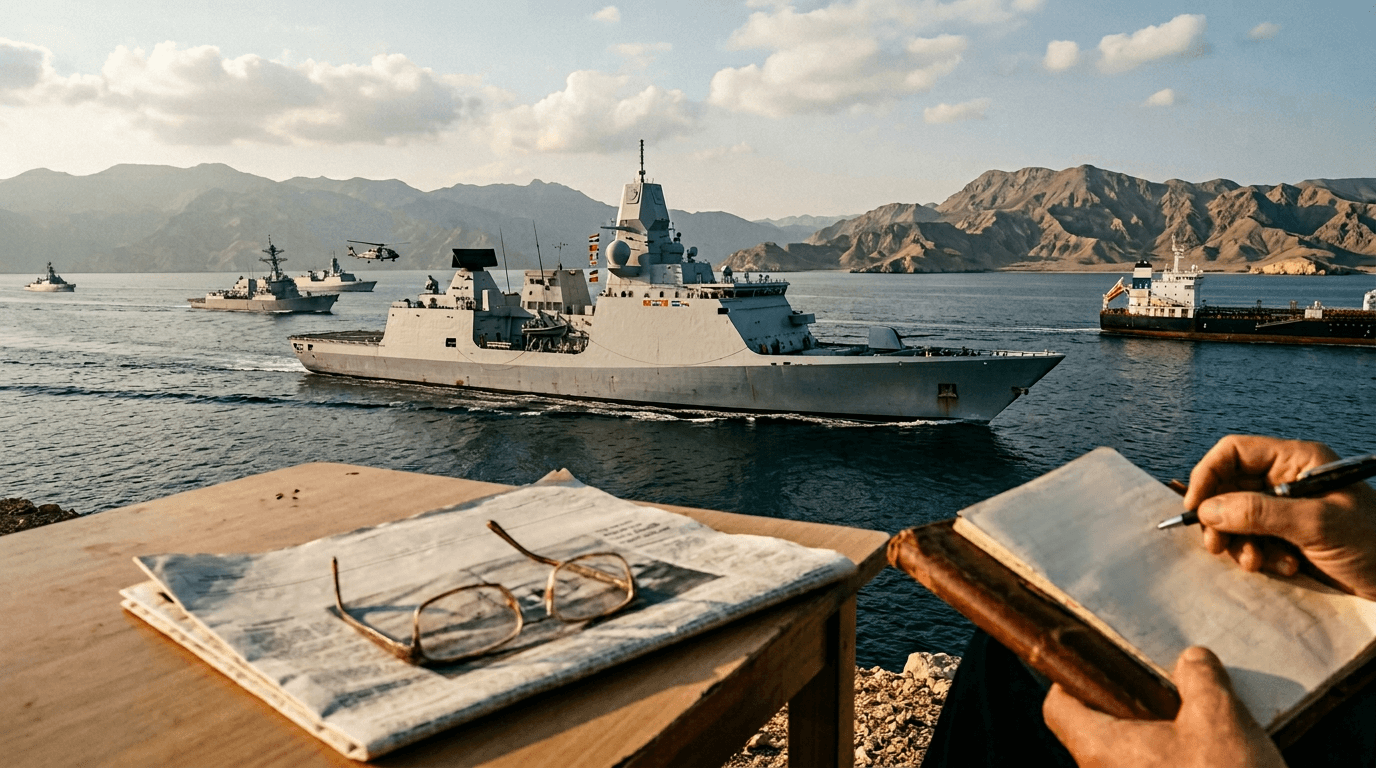
Global shipping finds itself on edge as Middle Eastern tensions surge to new heights. On March 22, 2026, NATO Secretary General Mark Rutte unveiled a groundbreaking coalition of 22 nations, all dedicated to reopening the Strait of Hormuz—a vital maritime artery. This strategic move is a turning point for international trade, energy security, and geopolitical stability. With Iran's actions effectively closing the strait and energy prices already volatile, traders and policymakers worldwide are closely monitoring this multinational endeavor.
The Strategic Importance Of The Strait Of Hormuz
Understanding the Strait of Hormuz's significance is crucial to grasping why this coalition is so pivotal for global markets. This narrow passageway links the Persian Gulf with the Gulf of Oman and the Arabian Sea, acting as the conduit for around 20 percent of the world's oil and liquefied natural gas. This single statistic highlights why Iran's actions to seal the passage sent shockwaves through energy markets already fraught with geopolitical tension. When one maritime chokepoint controls such a large portion of global energy trade, any disruption has immediate, far-reaching consequences for inflation, supply chains, and worldwide economic stability.
The closure poses a threat to global economic equilibrium, especially as many economies are grappling with elevated inflationary pressures. For traders in forex and futures markets, the Strait of Hormuz stands as a critical factor in risk assessments. Energy prices, currency valuations, and broader market sentiment all hinge on free passage through this strategic maritime route.
Nato's Coalition Response And Commitment
NATO's coalition includes a diverse lineup of allies from Asia-Pacific, the Middle East, and beyond, such as Australia, Japan, South Korea, the United Arab Emirates, and Bahrain, alongside predominantly European NATO members. This geographical and political diversity underscores the universal acknowledgment that energy security is a shared global interest, not just a regional concern.
Secretary General Rutte has expressed confidence in the alliance's capability to reopen the strait, though initial commitments reflect nuanced realities. The seven U.S. allies who issued a joint statement on March 19 support a potential coalition but have not pledged specific naval deployments or concrete resources. This move is largely seen as symbolic, addressing President Trump's critique of allied reluctance to secure the strait and his warnings about NATO's viability.
European allies faced significant pressure to participate, despite initial hesitations about deeper Middle Eastern involvement. These nations were cautious about engaging in military operations of uncertain duration and scope. However, Trump's advocacy spurred a unified European stance, with countries recognizing the economic imperative of action. Rutte noted that European nations needed time to calibrate their response to military operations they weren't briefed on in advance, but they are now actively planning collective contributions to meet the president's call for action.
Market Implications And Forex Volatility
For traders tracking energy markets and currency fluctuations, the Strait of Hormuz's closure is among 2026's most significant geopolitical risk factors. Rising energy prices are inflating global risks, threatening increased costs for food, manufacturing, and consumer goods. Oil-dependent currencies and energy-exporting economies face particular pressure as markets assess the likelihood and duration of ongoing disruptions.
The uncertainty surrounding military operations and reopening timelines fuels futures market volatility. Analysts forecast that reopening and securing passage through the strait will require extended military operations. This timeline means markets may experience sustained uncertainty rather than a single resolution event. Forex and futures traders must brace for prolonged volatility as geopolitical events unfold and coalition efforts progress.
Challenges In Maintaining Long-term Security
Beyond the initial reopening, a significant challenge looms: maintaining secure, enduring passage through the strait. The narrow geography that makes the Strait of Hormuz economically vital also renders it vulnerable to Iranian military capabilities. This structural vulnerability suggests that clearing the passage once won't suffice; NATO and coalition partners must plan for sustained security operations.
The coalition's planning now focuses on key questions: What military assets are needed? When should they be deployed? Where should they be positioned? These operational details will determine if the coalition can uphold the security guarantees that global trade demands. Long-term strategy must extend beyond initial military operations, encompassing persistent deterrence against future Iranian interference.
Takeaways For Traders And Market Participants
The NATO coalition announcement is a significant development, yet traders should recognize that reopening necessitates military operations with unpredictable scope and duration. Energy prices, forex volatility, and broader market uncertainty will likely persist throughout implementation phases. Monitor coalition progress, military deployment announcements, and any escalation or de-escalation signals from Iran for market-moving developments.
NEWSIMPACTSCORE: 8