
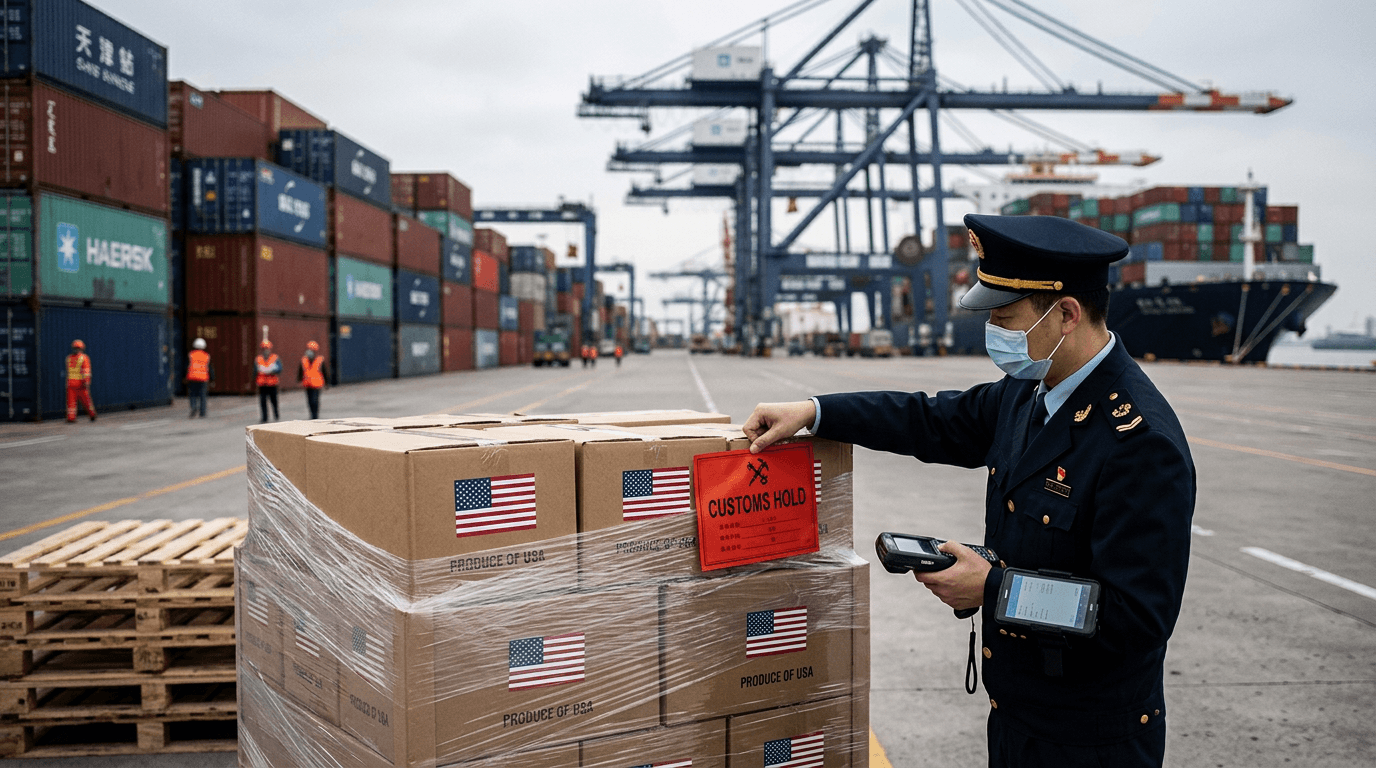
The trade standoff between the United States and China has intensified sharply, as China has announced a substantial 125% tariff on all American goods, effective April 12, 2025. This bold move, escalating from an earlier 84% tariff just days prior, signifies a pivotal moment in international trade relations. For traders, investors, and market stakeholders, this development necessitates immediate vigilance and strategic adjustments, especially for those heavily invested in the US-China trade nexus.
The Escalation Unfolds
To grasp the significance of this tariff announcement, it's important to trace the rapid sequence of events that led to this point. On April 10, 2025, the United States increased its tariffs on Chinese imports to 145%, citing national security concerns and issues related to illicit fentanyl trafficking. In a swift retaliatory move, China's Ministry of Finance announced a hike to 125% on US goods just two days later. This marks the third major escalation in April, following an initial 84% tariff earlier in the month.
These rapid developments underscore the volatile nature of contemporary trade relationships. What began as moderate tariff adjustments has rapidly escalated into an intense economic confrontation within a matter of days. Both nations are demonstrating a readiness to endure short-term economic hardship to protect what they regard as crucial strategic interests. According to China's Ministry of Finance, the market can no longer sustain American goods under the prevailing tariff levels, indicating that the possibility for negotiation has essentially closed.
Chinese officials have not held back, characterizing US tariffs as a "serious violation of international economic and trade norms" and accusing the US of "unilateral bullying and coercion." Notably, a State Council white paper released on April 9 suggested that China remains open to diplomatic discussions, indicating that despite the harsh rhetoric, communication channels remain open. This nuance is critical for market participants evaluating the likelihood of further escalation or potential de-escalation.
Market Implications For Traders And Investors
The jump from 84% to 125% tariffs constitutes what traders refer to as a "policy shock," leading to significant market disruptions alongside potential trading opportunities. The most immediate impact is on companies with considerable US-China trade exposure. These businesses must swiftly reassess profit margins, reevaluate pricing strategies, and fundamentally restructure business models to stay competitive.
Technology companies are particularly affected, given their dependence on Chinese components and manufacturing. Firms in the semiconductor sector, consumer electronics, and those reliant on rare earth elements sourced from China must now account for considerably higher input costs. Agricultural exporters face similar challenges, as retaliatory tariffs render American farm products prohibitively expensive in Chinese markets.
Conversely, some sectors may find themselves in a more favorable position. Defensive industries and businesses focused on domestic markets that avoid US-China trade exposure could see relative outperformance as investors shift toward less volatile areas. Traders should closely observe sector rotation patterns, as risk-off sentiment typically favors utilities, healthcare, and consumer staples over cyclical sectors.
Currency markets are also reacting. The uncertainty surrounding trade policy generally strengthens defensive currencies while weakening those tied to trade-dependent economies. Volatility is expected to increase across foreign exchange markets, creating both risks and opportunities for forex traders managing larger positions.
Supply Chain Uncertainty And Long-term Implications
Beyond immediate tariff effects, supply chain uncertainty emerges as perhaps the most significant challenge facing multinational corporations. Companies that have structured their operations around seamless US-China trade must reconsider the fundamental architecture of their supply chains. Sourcing strategies reliant on Chinese suppliers face critical reevaluation.
Nearshoring and friendshoring initiatives that were previously discussed theoretically now become urgent strategic priorities. Companies will need to identify alternative suppliers in allied countries, diversify geographic sourcing, and potentially accept higher operational costs to mitigate geopolitical risks. This transition requires time and capital, but the tariff environment makes delay increasingly expensive.
China has intensified pressure with additional measures beyond tariffs. Eleven US companies have been added to Beijing's "unreliable entity list," effectively barring them from trade, investment, and cooperation in China. These companies face accusations of military-related technology cooperation with Taiwan, further complicating the already tense US-China relationship.
What Traders Should Monitor
Traders should watch for any statements suggesting renewed diplomatic engagement or further escalation. Any indications of negotiation efforts could spark rapid market reversals. Monitor shipping costs and logistics indices closely, as supply chain uncertainty typically manifests first in transportation premiums.
Track earnings guidance from major exporters during earnings season, as companies will need to communicate how tariffs impact future profitability. Sector rotation patterns may provide trading signals as risk-off sentiment intensifies.
Finally, keep an eye on broader geopolitical signals. Tensions with Taiwan, developments in US-China tech competition, and statements from political leadership will all influence whether this tariff regime becomes permanent or serves as a negotiating stance.
Takeaway For Market Participants
The 125% tariff announcement marks a fundamental shift in US-China trade relations rather than a temporary negotiating tactic. While China has indicated this represents a final retaliatory measure, the situation remains dynamic and unpredictable. Traders and investors must act promptly to rebalance portfolios, diversify exposure to trade-sensitive sectors, and brace for prolonged periods of heightened volatility. This environment presents both significant risks and genuine opportunities for those who strategically anticipate market reactions.