
---
A Critical Inflection Point in US-China Trade Relations
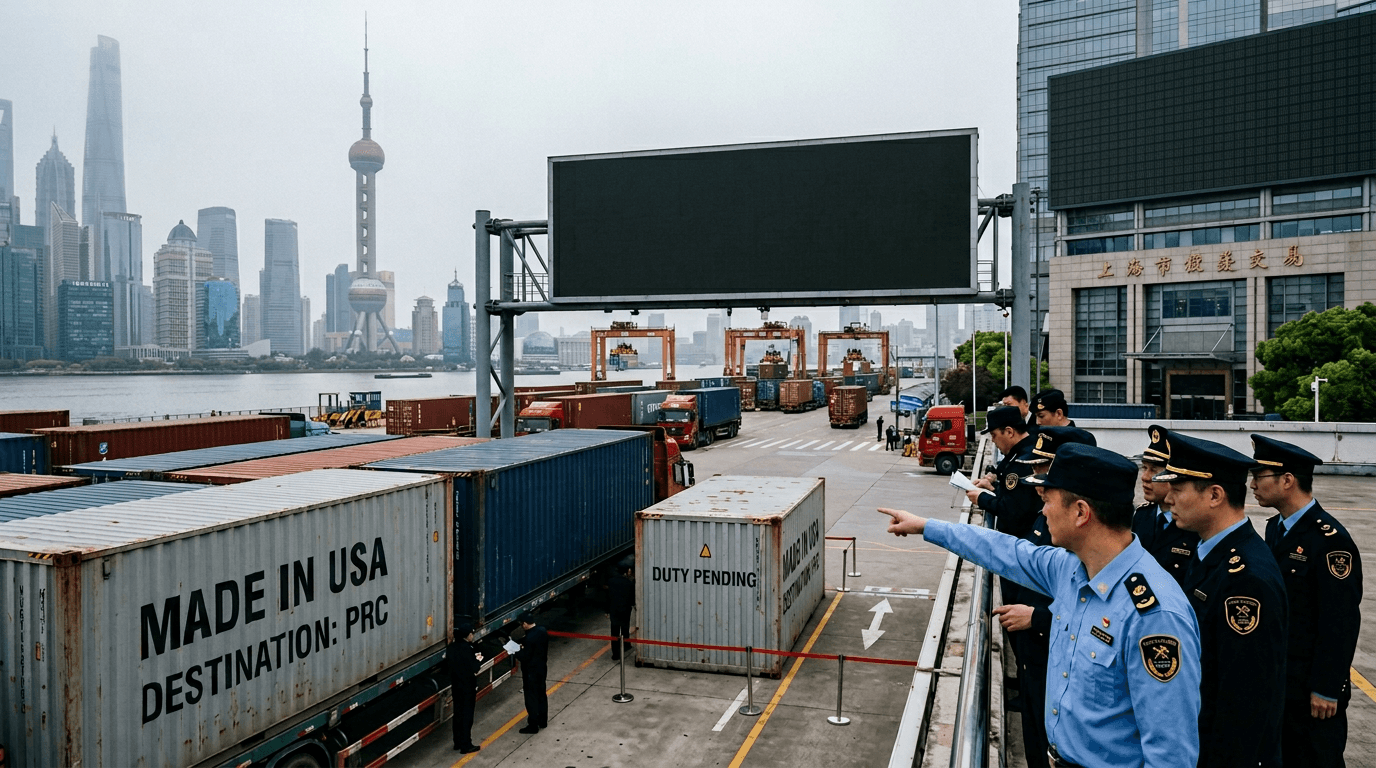
In April 2025, the trade tensions between the United States and China reached a pivotal moment. China announced its decision to raise tariffs on American goods to 125%, mirroring the reciprocal tariff rate previously set by the Trump administration. This escalation marked a critical milestone in a rapidly intensifying trade conflict, characterized by a tit-for-tat tariff battle that threatened to destabilize global supply chains and market stability. The tariff hike, effective April 12, 2025, targeted approximately $144 billion in U.S. exports, with agricultural products like soybeans significantly affected.
The Escalation Timeline: A Rapid Sequence of Events
To understand the escalation to 125% tariffs, it's essential to examine the rapid series of events in early April 2025. President Trump initiated the escalation by implementing reciprocal tariffs on China. In response, China imposed 34% tariffs on U.S. goods. The Trump administration then raised tariffs on Chinese imports to 84%, prompting China to match this rate. The situation intensified when Trump issued an executive order on April 9, 2025, increasing the reciprocal tariff on Chinese goods to 125%. China retaliated on April 11, announcing that it would implement matching 125% tariffs on U.S. goods starting April 12. Additionally, the U.S. imposed an extra 20% tariff on Chinese imports due to concerns related to fentanyl trafficking, bringing the total tariff burden on Chinese goods to 145%.
China's announcement carried significant weight due to the accompanying statement from Chinese Ministry of Finance officials. They declared that American products were becoming unsellable in China at existing tariff levels and that China would not escalate further, even if the U.S. chose to. This suggested a potential psychological ceiling in the tariff conflict. However, market participants remained skeptical about whether this represented a genuine de-escalation opportunity or merely a temporary pause.
Market Impact and Business Implications
The announcement of 125% tariffs sent shockwaves through global financial markets, triggering significant volatility in both equity and currency markets. The escalation particularly impacted agricultural exporters, energy companies, and manufacturers reliant on Chinese inputs or markets. Agricultural commodities faced intense downward pressure as Chinese tariffs made American exports dramatically more expensive for Chinese buyers. American soybean farmers, in particular, faced challenges, as China had historically been a major market for U.S. soybeans.
For businesses in the SimFi and trading sectors, these tariff developments presented both challenges and opportunities. Currency pairs involving the dollar initially strengthened as markets adjusted to a trade-disrupted global economy. Equity volatility indexes spiked as investors grappled with the macroeconomic implications of sustained high tariff rates between the world's two largest economies. Companies with significant exposure to US-China trade faced potential margin compression, prompting traders and portfolio managers to reassess their positions in affected sectors.
The Broader Context: A Unique Trade Relationship
The April 2025 tariff escalation did not occur in isolation. The Trump administration had pursued a broader reciprocal tariff strategy initially affecting 83 countries. However, the administration paused these tariffs for 90 days at a reduced 10% rate for all countries except China, signaling that China represented a unique challenge in trade negotiations. This differentiation underscored how the U.S. viewed its trade relationship with China as fundamentally distinct from other trading partners.
Later developments in May 2025 suggested that intense negotiations might be occurring behind the scenes. On May 14, 2025, the reciprocal tariff on China was unexpectedly reduced to 10% for a 90-day period following what sources described as an agreement. This dramatic reversal caught many market participants off guard, illustrating the unpredictable nature of trade policy during this period. The agreement was extended for another 90 days in August 2025, providing some temporary stability to markets and businesses dependent on US-China trade flows.
Key Takeaways for Traders and Investors
The escalation to 125% tariffs offered critical lessons for market participants. First, tariff announcements can create sharp market movements, offering both risks and trading opportunities for those closely monitoring policy developments. Second, the agricultural sector was notably vulnerable to tariff measures, with commodity prices reacting dramatically to trade policy shifts. Third, the tariff conflict highlighted the importance of supply chain diversification for multinational corporations and investors seeking to mitigate geopolitical risks.
For traders in forex, equity, and commodity markets, staying informed about trade policy developments became essential. The unpredictability of tariff escalations and negotiations meant that nimble position management and robust risk controls became increasingly important. Understanding which sectors and currencies were most exposed to tariff shocks enabled traders to position themselves more strategically throughout this volatile period.