
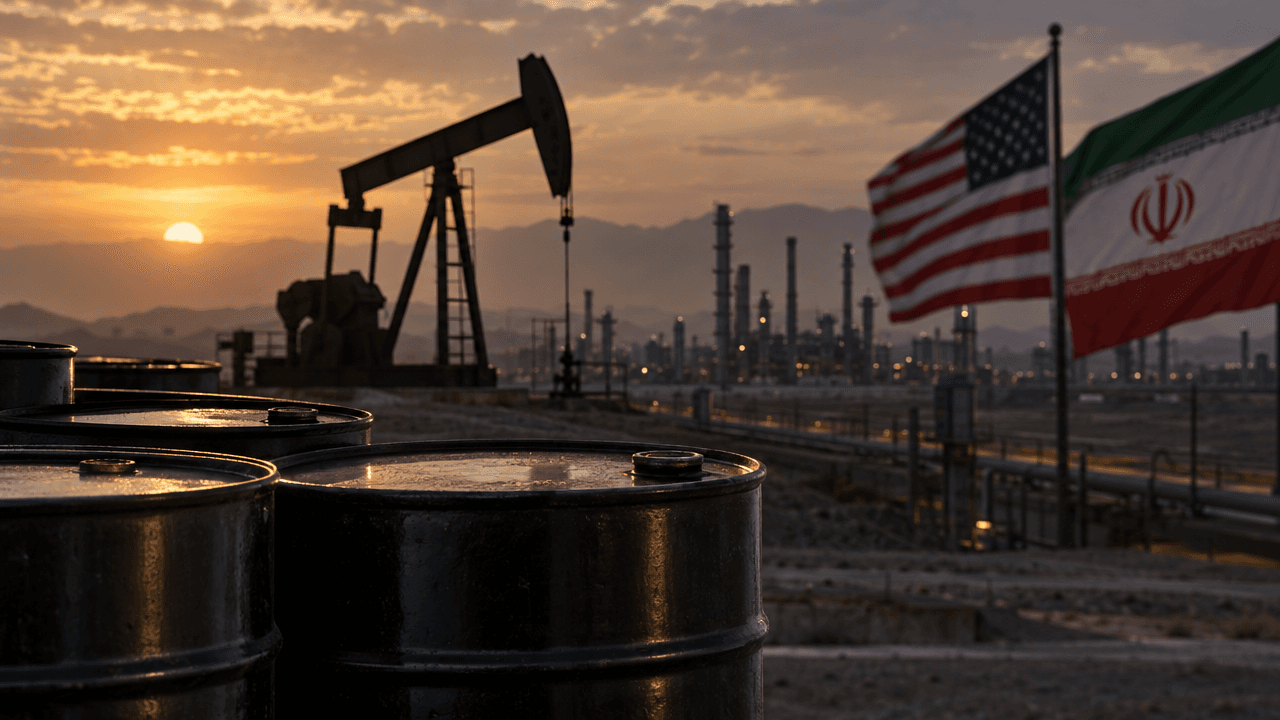
Oil’s latest retreat is a reminder that crude prices can respond as much to changes in perceived risk as to changes in physical supply. Brent crude eased toward $103 a barrel after reports that the United States would not attack Iran before the November 3 midterm elections. West Texas Intermediate also moved lower, trading near $90. The pullback followed a sharp rise in the previous session, when reports of possible renewed strikes had pushed Brent above $104. [1][4]
Immediate Escalation Fears Loosen Their Grip
The market reaction was driven by timing. U.S. President Donald Trump said Washington would not attack Iran before the midterm elections and referred to “productive discussions” between the two countries. That statement reduced the probability of an immediate military escalation, at least in the market’s short-term calculations. [4][9]
Oil traders often price geopolitical events before they happen. When the perceived risk of a supply disruption rises, crude can rally even if production and exports remain unchanged. The reason is straightforward: buyers may pay more to secure supplies today when they fear that barrels could become harder to obtain tomorrow.
The reverse is also true. When officials signal that military action is less likely in the near term, traders may remove some of that risk premium. This does not mean the underlying geopolitical problem has disappeared. It means the market is assigning a lower probability to an immediate shock.
Brent fell approximately 0.8% to $103.45 in Friday trading, while other market reports placed the decline near 1%, with WTI moving toward $90 to $91 a barrel. [4][5] The move was relatively modest compared with the previous day’s rally, showing that investors remain cautious rather than fully reassured.
Why Oil Remains Elevated
Even after the decline, Brent remains close to historically important psychological levels. Prices above $100 can affect inflation expectations, transportation costs, corporate margins and consumer spending. For traders, the most important point is that the geopolitical risk premium has been reduced, not eliminated.
Reports indicated that the United States would maintain a blockade of Iran and had announced additional sanctions involving vessels and companies transporting Iranian oil. Those measures could restrict Iranian exports even without a direct military confrontation. [8] The market must therefore assess two separate risks: the possibility of an immediate attack and the slower impact of sanctions, enforcement actions and disrupted trade routes.
Iran is also strategically important because any escalation could threaten production, shipping or transit through key energy corridors. Even if no facilities are directly damaged, insurers, shipowners and buyers may become more cautious. Higher freight rates and longer delivery times can lift the effective cost of oil.
This explains why a diplomatic headline can trigger a quick price move while failing to produce a lasting trend. Traders are balancing easing near-term fears against the possibility that negotiations break down after the election or that military tensions return unexpectedly.
The Broader Market Impact
Lower oil prices generally support risk appetite because energy is an input cost across the global economy. Airlines, transport companies, manufacturers and consumer businesses can benefit when fuel expenses decline. Lower crude prices may also reduce pressure on headline inflation, potentially giving central banks more room to consider easier monetary policy if other economic data permits.
That relationship is not automatic. Oil’s decline in this case reflects reduced escalation risk, but Brent remains elevated. A move from approximately $104 to $103 is meaningful for short-term traders, yet it is not large enough to erase the inflationary consequences of sustained high energy prices.
Equity markets may also interpret the news positively because the immediate probability of a larger Middle Eastern conflict has fallen. However, investors should distinguish between a temporary relief rally and a durable improvement in the economic outlook. If energy prices remain high or begin rising again, the benefit to stocks could fade quickly.
For currency and bond traders, the implications are similarly mixed. Lower geopolitical anxiety can reduce demand for traditional defensive assets, while a weaker oil price can ease inflation concerns and influence expectations for interest rates. Those effects depend on the next headlines, upcoming economic data and the path of crude futures.
Practical Takeaways For Traders
First, watch the difference between headline-driven volatility and confirmation from physical markets. A diplomatic statement can move futures immediately, but sustained price direction requires evidence involving exports, inventories, shipping activity and refinery demand.
Second, monitor the $100 Brent level as a psychological reference point rather than a guaranteed technical barrier. Prices may move through it rapidly when geopolitical news changes. Traders should avoid treating a round number as a complete strategy.
Third, pay attention to the futures curve and volatility. A sudden geopolitical scare can produce sharp movements in near-dated contracts while longer-dated prices react less dramatically. That pattern may indicate a temporary supply-risk premium rather than expectations of a prolonged shortage.
Finally, manage position size carefully. Political statements can reverse quickly, especially when negotiations remain uncertain. Stop-loss orders, defined risk and avoiding excessive leverage are particularly important in crude markets, where a single report can produce a large intraday move.
A Fragile Relief Rally
Oil’s retreat toward $103 shows that markets are willing to price out some immediate U.S.-Iran escalation risk, but it does not represent a resolution. The election-related pause may calm traders temporarily, while sanctions, regional tensions and the possibility of renewed action continue to support a substantial risk premium. [10][14]
The central lesson is that geopolitical oil trading is a probability exercise. Prices respond not only to what has happened, but also to what traders believe could happen next. For now, the market has received a reason to ease defensive positioning. Until diplomatic progress becomes more durable and supply risks visibly improve, however, the path for crude is likely to remain volatile.