
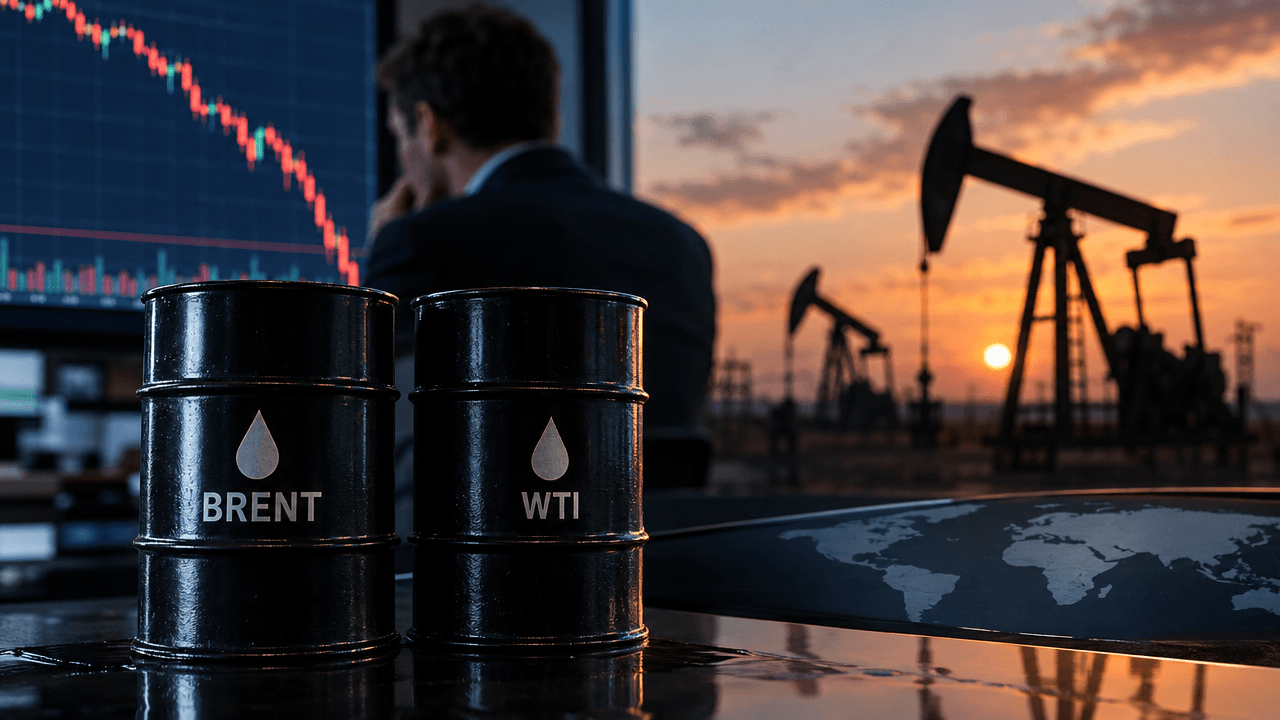
Oil futures plunged as traders rapidly repriced the risk of a wider Middle East conflict following the U.S. midterm election results. Brent crude fell approximately 8.9% to settle near $94.72 per barrel, while West Texas Intermediate dropped about 8.4% to $88.14. Earlier market reports had placed Brent near $94–$95 and WTI below $93 as investors interpreted the election outcome as increasing the possibility of diplomatic progress with Iran. [9]
The move was not driven by a sudden collapse in physical oil demand. Instead, it reflected the removal of some of the geopolitical premium that had pushed crude prices higher. For traders, the central question is whether the election result can reduce the probability of further military escalation and eventually restore the flow of energy through critical Middle Eastern routes.
Why Oil Prices Fell So Sharply
Oil prices often respond to expected future supply disruptions well before barrels are actually lost from the market. When tensions rise around major producing nations or shipping routes, traders add a risk premium to crude futures. That premium compensates for the possibility that production, exports, or transportation could be interrupted.
The latest selloff reversed part of that premium. Investors viewed the Democratic victories in both chambers of Congress as potentially limiting the president’s ability to sustain military operations and increasing pressure to seek a negotiated resolution. Markets therefore began pricing in a lower chance of an immediate escalation involving the United States and Iran. [9]
This interpretation was reinforced by reports that diplomatic efforts were still active. Qatar has been involved in mediation efforts aimed at preventing an expansion of attacks, while traders have focused on whether negotiations could ease restrictions affecting regional energy shipments. [6]
The result was a broad repricing rather than a routine daily decline. Brent’s fall of nearly 9% represented a substantial adjustment in expectations, particularly because the contract had recently traded above $117 before dropping below $95. [2]
The Strait Of Hormuz Remains The Key Risk
The market’s optimism has an important limitation: the supply risk has not disappeared. The Strait of Hormuz remains one of the world’s most important energy corridors, connecting producers in the Persian Gulf with customers around the globe. Any prolonged disruption in the strait could affect crude oil, refined products, liquefied natural gas, and shipping costs.
Analysts have warned that the market reaction may be premature because Iran’s control over the waterway continues to constrain oil flows. The possibility of renewed attacks, failed negotiations, or retaliatory military action could quickly restore the risk premium that has just been removed. [8]
This explains why oil markets remain highly volatile. A headline suggesting diplomatic progress can send prices lower, while a single incident involving vessels, infrastructure, or military forces can trigger an equally rapid rebound.
For traders, the lesson is clear: geopolitical selloffs are not always confirmed by physical supply data. Price movements may reflect changing expectations rather than a measurable change in production. Watching shipping activity, export volumes, official statements, and refinery inventories can help distinguish a lasting trend from a short-term emotional reaction.
What Lower Oil Prices Mean For Markets
A sustained decline in crude prices could ease inflationary pressure. Cheaper oil reduces costs for transportation, manufacturing, utilities, and many consumer products. Lower fuel expenses can also improve household purchasing power and reduce operating costs for airlines, logistics companies, and energy-intensive businesses.
However, the impact is uneven. Oil-producing nations and energy companies may face lower revenues, while highly indebted producers could experience pressure on government budgets and corporate earnings. Oil-service firms and drilling contractors may also suffer if weaker prices cause producers to delay investment.
For central banks, falling energy prices can be helpful because fuel is a visible component of consumer inflation. Yet policymakers typically look beyond one-day price movements. If crude falls because of a temporary geopolitical repricing but later rebounds, the effect on broader inflation may be limited.
Equity markets may respond differently depending on the reason for the decline. A drop caused by improving diplomatic conditions can support stocks by reducing recession and inflation concerns. A fall caused by fears of weakening global demand would carry a more negative signal. Understanding the catalyst is therefore more important than looking at the percentage move alone.
Practical Takeaways For Simfi Traders
Simulated trading provides a useful environment for studying how oil reacts to political headlines, technical levels, and changing supply expectations without putting real capital at risk.
First, avoid chasing a large move after it has already occurred. An 8% or 9% decline can create opportunities, but it can also produce sharp short-covering rallies. Wait for confirmation through price action, volume, and follow-through rather than assuming that the first move will continue.
Second, compare Brent and WTI. Brent reflects global seaborne oil markets and is particularly sensitive to international supply disruptions. WTI is more closely tied to U.S. production, storage, and domestic infrastructure. Divergence between the two benchmarks can reveal whether a move is primarily geopolitical or linked to North American fundamentals.
Third, define risk before entering a position. Use position sizing that accounts for oil’s volatility, and avoid placing stops so close that ordinary price fluctuations trigger them. A clear invalidation level is more valuable than a confident prediction.
Finally, monitor the calendar and the headlines. Diplomatic meetings, inventory reports, production announcements, and shipping developments can all move crude rapidly. In a market dominated by geopolitical expectations, flexibility matters more than stubbornly defending one directional view.
Conclusion
Oil’s plunge shows how quickly futures markets can reprice geopolitical risk. The election outcome encouraged traders to anticipate diplomacy rather than escalation, pushing Brent toward $95 and WTI below $93 before further declines were recorded. [7]
Still, hopes of de-escalation are not the same as a completed agreement. The Strait of Hormuz, regional military activity, and the progress of negotiations remain critical variables. For traders, the most effective response is to separate confirmed supply changes from sentiment-driven expectations, manage risk carefully, and prepare for volatility in both directions.